Preserving the Ocean, Protecting the Business: Strategies for Reducing Waste in Seafood Processing Plants
By. Sofie Thoriq - 30 Jan 2026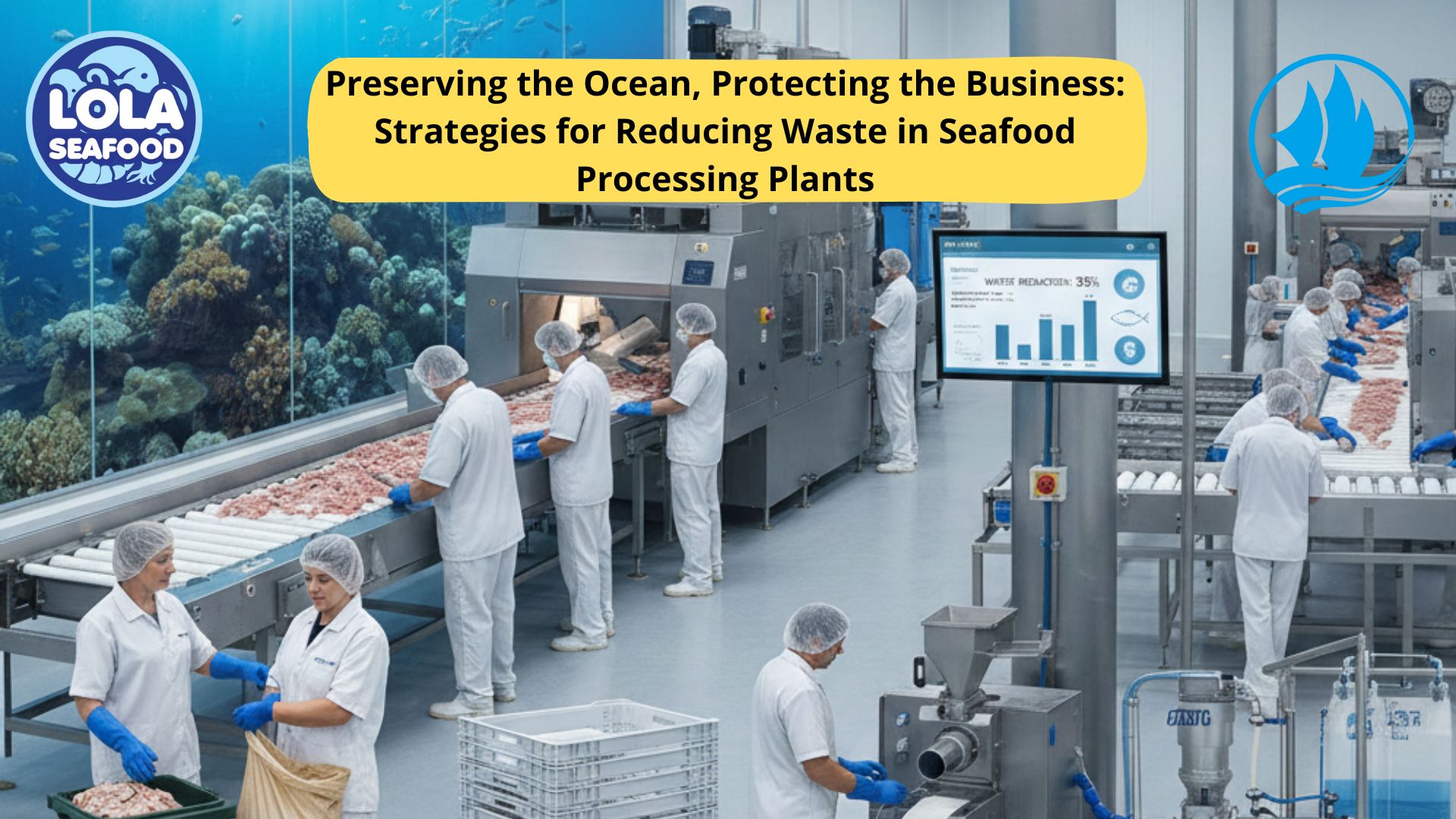
kelolalaut.com The seafood processing industry is a vital economic engine for coastal communities and a global pillar of food security. However, behind the convenience of frozen fillets and canned tuna lies a significant environmental challenge. Seafood processing plants generate massive volumes of waste, ranging from highly concentrated wastewater to solid organic discards like bones, scales, and viscera.
If left untreated, this waste can lead to eutrophication—a process where excess nutrients trigger algal blooms that deplete oxygen, creating "dead zones" in our oceans. This article explores comprehensive strategies to reduce waste at the source and treat effluents to ensure that the industry operates in harmony with the marine environment.
1. Understanding the Waste Profile
To reduce waste effectively, we must first understand its composition. Seafood processing waste is characterized by:
- High Organic Load: Rich in proteins and lipids, measured through Biological Oxygen Demand (BOD) and Chemical Oxygen Demand (COD).
- Total Suspended Solids (TSS): Fine particles of flesh, skin, and scales.
- Nutrient Concentration: High levels of nitrogen and phosphorus from decomposing fish tissues.
- Salinity: High salt content, especially from brining and preserving processes.
2. Advanced Wastewater Treatment Strategies
Liquid effluent is the primary vehicle for pollution in this industry. A multi-stage treatment approach is essential to neutralize its impact:
A. Physical Pre-treatment
The first line of defense is mechanical screening. By using fine mesh screens or rotary filters, plants can capture solid particles before they enter the drainage system. This prevents pipe clogging and significantly reduces the organic load that the subsequent biological systems must handle.
B. Dissolved Air Flotation (DAF)
Seafood wastewater is notoriously high in Fats, Oils, and Greases (FOG). DAF systems inject micro-bubbles into the water, which attach to oil particles and float them to the surface. These pollutants are then skimmed off as "sludge," which can often be repurposed for industrial oils or animal feed.
C. Biological Treatment
Microorganisms are the workhorses of waste reduction.
- Aerobic Systems: Use oxygen to break down organic matter into carbon dioxide and water.
- Anaerobic Digestion: In the absence of oxygen, bacteria break down waste, producing biogas. This is a "win-win" scenario where the plant treats its waste while generating renewable energy to power boilers or generators.
3. Turning Waste into Wealth: By-product Utilization
The most sustainable way to reduce waste is to stop viewing it as "trash" and start seeing it as a raw material. In a circular economy, every part of the fish has value.
- Fish Meal and Fish Oil: Heads, frames, and fins are rendered into high-protein meal and Omega-3 rich oils, which are essential for the aquaculture and livestock industries.
- Chitin and Chitosan Extraction: Shellfish waste (shrimp and crab shells) contains chitin. When processed into chitosan, it serves as a powerful biodegradable material for water purification, medicine, and eco-friendly packaging.
- Bio-Fertilizers: Liquid waste and sludge can be composted or fermented to create organic fertilizers, returning vital nutrients to the soil rather than dumping them into the sea.
4. Implementation of "Cleaner Production"
Real waste reduction happens inside the factory, not just at the end of the pipe. Implementing cleaner production (CP) techniques can drastically lower the environmental footprint:
- Water Conservation: Using high-pressure, low-volume (HPLV) nozzles for cleaning reduces water consumption by up to 30%.
- Dry-Cleanup Procedures: Workers should use brooms or vacuums to collect solid scraps from the floor before washing. This prevents solids from dissolving into the wastewater, making treatment much easier.
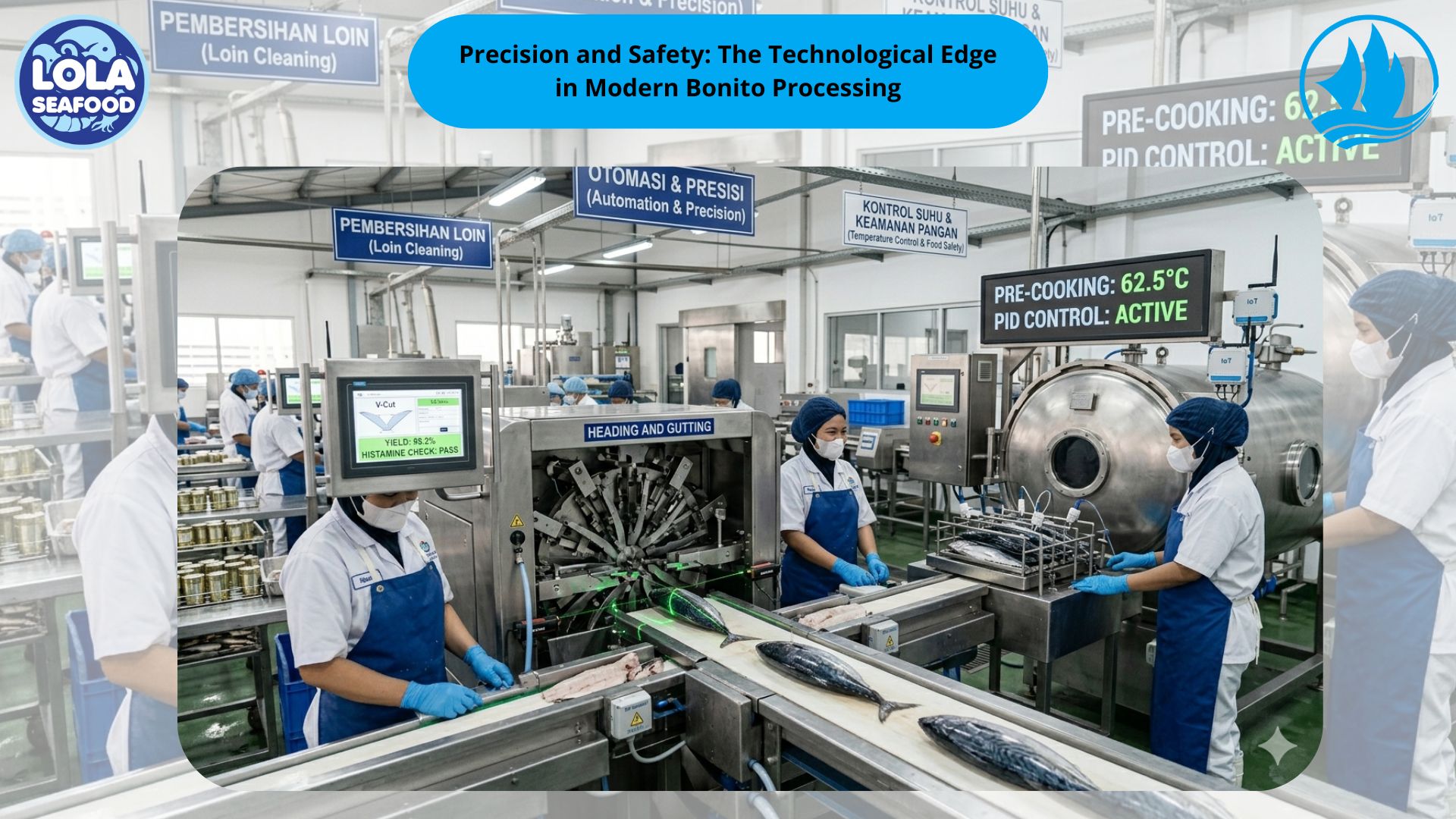
- Process Optimization: Modernizing filleting machines to increase yield means more meat goes into the package and less goes into the waste bin.
5. Monitoring, Compliance, and the Green Advantage
Technology is only as effective as the management behind it. Plants must implement rigorous monitoring of their discharge parameters to meet local and international standards (such as those set by the EPA or EU). The use of IoT-based sensors for real-time monitoring of pH, temperature, and dissolved oxygen allows for immediate corrective action if a leak or system failure occurs.
Furthermore, eco-certifications like the Marine Stewardship Council (MSC) or Best Aquaculture Practices (BAP) are no longer just "nice to have." They are market requirements. Global consumers are increasingly boycotting brands that contribute to ocean degradation, making waste reduction a core component of brand equity.
.jpg)
.jpg)