The Global Market Potential of Barracuda: Exploring Export Value and Economic Opportunities
By. Ely Kusniawati - 23 Jan 2026
kelolalaut.com The international seafood trade is a multi-billion dollar industry that continues to expand as global demand for high-protein, nutrient-dense food rises. Among the various species contributing to this growth, the Barracuda (Sphyraena)—locally known in Indonesia as ikan alu-alu—has emerged as a significant player. Traditionally prized by recreational anglers for its predatory strength, the Barracuda is now gaining substantial traction in the commercial export sector due to its firm texture, versatile culinary applications, and rich nutritional profile.
1. Market Dynamics and Export Pricing
The export value of Barracuda is characterized by its resilience and wide price range, depending on the processing method and destination market. As of early 2026, the global export price for fresh and frozen Barracuda shows a healthy spectrum:
- Fresh/Chilled Barracuda: Higher-end markets, particularly in the United States and Europe, often see prices ranging from $5.00 to $25.00 per kg. Premium specimens, handled with specific cold-chain protocols, can even reach higher price points in the hospitality (HORECA) sector.
- Frozen Barracuda: This is the most common form for bulk international trade. Strategic exporters from Indonesia, Thailand, and India typically offer frozen Barracuda at prices between $3.00 and $8.00 per kg, depending on whether the product is whole-round, gutted, or filleted.
- Value-Added Products: There is a growing niche for processed Barracuda, such as frozen steaks, skinless fillets, and even minced fish for industrial food production. These processed variations significantly increase the profit margins for exporters.
2. Key Export Destinations and Demand Drivers
The demand for Barracuda is geographically diverse, spanning across several continents:
- China and Southeast Asia: China remains one of the largest importers of frozen Barracuda. The fish is a staple in various regional cuisines due to its meaty texture, which holds up well in soups, stews, and braised dishes.
- The Middle East: Countries like the UAE and Egypt are consistent importers. The Barracuda’s ability to be grilled or smoked makes it a popular choice in Middle Eastern seafood markets.
- North America and Mexico: In Mexico and parts of the southern U.S., Barracuda is highly valued for ceviche and grilling. The demand here is often for "Blackfin" or "Great Barracuda," provided they meet strict safety standards regarding ciguatera toxin monitoring.
3. Nutritional Value: A Selling Point
A major factor driving the export value of Barracuda is its health profile. In an era where consumers are increasingly health-conscious, Barracuda is marketed as a "superfood" of the sea:
- High Protein: It is essential for muscle repair and growth, making it a favorite for fitness-oriented demographics.
- Omega-3 Fatty Acids: Known for supporting heart health and reducing inflammation.
- Micronutrients: It is rich in Vitamin B12, Vitamin D, and minerals like Zinc and Magnesium, which support the immune system and metabolic functions.
4. Supply Chain and Quality Standards
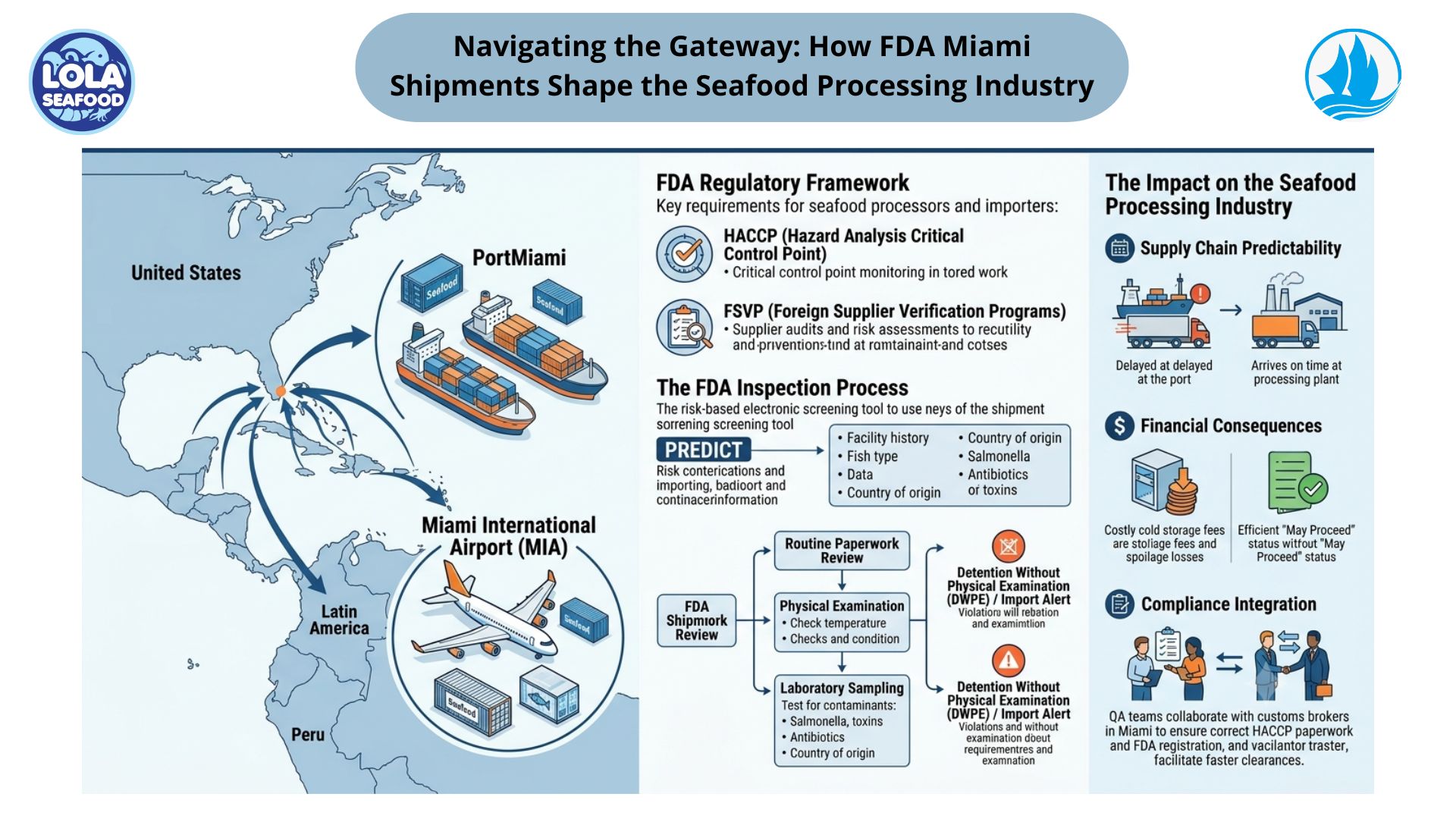
To maintain high export value, exporters must adhere to rigorous international standards. The implementation of HACCP (Hazard Analysis and Critical Control Points), ISO certifications, and FDA approvals is mandatory for entering Western markets.
Modern processing technologies, such as I.Q.F. (Individually Quick Frozen), have revolutionized the industry. By freezing the fish at peak freshness, exporters can ensure that the texture and taste remain intact during long-haul shipping, thereby commanding a "premium" price in distant markets.
5. Challenges and Sustainability
Despite the lucrative opportunities, the Barracuda trade faces challenges. Overfishing is a constant threat to wild populations. Consequently, sustainable fishing certifications (such as MSC) are becoming vital for exporters who wish to access high-value, eco-conscious markets in Europe.
Furthermore, the risk of ciguatera poisoning in very large, older Barracuda means that exporters must implement strict size-sorting and sourcing protocols. Focusing on smaller, "schooling" species of Barracuda often mitigates this risk and ensures a safer product for the global consumer.
.jpg)

.jpg)
.jpg)
.jpg)
.jpg)