Why Investing in Seafood Processing Offers Long Term Growth
By. Puji Widyastuti - 22 Jan 2026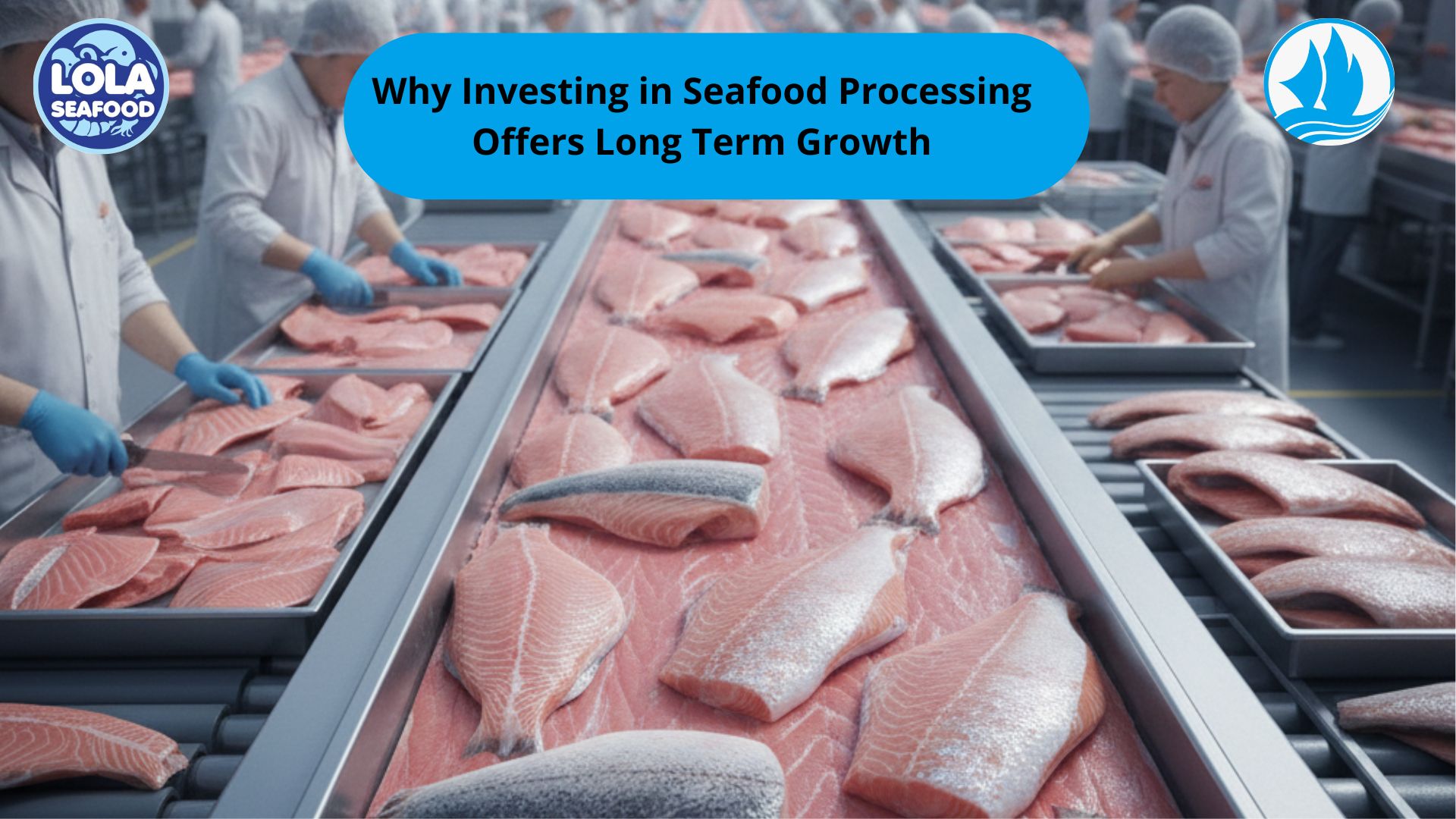
kelolalaut.com As the global population marches toward a projected 9.7 billion by 2050, the challenge of food security has moved to the forefront of international discourse. While terrestrial agriculture faces mounting pressure from land degradation and water scarcity, the world’s oceans and aquaculture systems are emerging as the most viable frontiers for sustainable protein. Within this landscape, seafood processing stands out as a critical, high-growth sector for investors seeking stability, innovation, and long-term returns.
Here is why the seafood processing industry is poised for a decade of unprecedented expansion.
1. The Global Shift Toward Healthy, Lean Proteins
Consumer behavior is undergoing a fundamental transformation. Increasingly, the global middle class is moving away from red meats toward "blue foods." Seafood is naturally rich in Omega-3 fatty acids, lean proteins, and essential micronutrients, making it the preferred choice for health-conscious demographics.
However, modern consumers prioritize convenience. Raw, unprocessed fish often carries a "daunting" barrier for home cooks. This is where seafood processing creates value. By converting raw harvests into ready-to-cook fillets, pre-seasoned portions, and "grab-and-go" snacks, processors are capturing a massive market share of busy urban professionals. This shift from commodity trading to value-added products significantly widens profit margins.
2. The Rise of Sustainable Aquaculture
For decades, the seafood industry relied heavily on wild-capture fisheries, which are subject to volatility and ecological limits. Today, aquaculture (fish farming) provides over 50% of the world’s seafood for human consumption.
Investment in processing is the logical "next step" in the aquaculture boom. Modern processing plants are increasingly being built in close proximity to land-based recirculating aquaculture systems (RAS). This vertical integration reduces transportation costs, ensures peak freshness, and allows for a steady, year-round supply chain that is decoupled from the seasonal unpredictability of wild fishing.
3. Technological Innovation and "Zero Waste"
Historically, seafood processing was a labor-intensive industry with significant waste. Modern facilities, however, are undergoing a technological revolution.
- Automation: AI-driven filleting machines and optical sorting sensors increase yield and reduce human error, protecting margins against rising labor costs.
- Bio-Refinery Models: Perhaps the most exciting growth area is the "circular economy." Advanced processors no longer view fish heads, skins, and bones as waste. These byproducts are now processed into high-value fish oils, collagen for the beauty industry, and chitin for pharmaceuticals.
- Traceability: Blockchain integration in processing allow brands to prove the "bait-to-plate" journey, a feature for which premium consumers are willing to pay a significant surcharge.
4. Supply Chain Resilience and Cold Chain Logistics
The global seafood market is no longer localized; it is a complex web of international trade. Investing in the processing infrastructure—specifically cold storage and flash-freezing technology (IQF - Individually Quick Frozen)—creates a buffer against market volatility.
Processed seafood has a significantly longer shelf life than fresh counterparts. This allows companies to manage inventory more effectively, reaching inland markets that were previously inaccessible. As infrastructure improves in developing regions, particularly in Asia and Africa, the demand for processed, shelf-stable, or frozen seafood is expected to skyrocket.
5. ESG and Food Security Alignment
Institutional investors are increasingly governed by Environmental, Social, and Governance (ESG) criteria. Seafood processing aligns perfectly with these goals. Compared to beef or pork, seafood generally has a lower carbon footprint and requires less freshwater per kilogram of protein produced.
Furthermore, by reducing post-harvest losses through better processing and packaging, the industry plays a direct role in global food security. Efficient processing ensures that less of the catch is wasted, maximizing the caloric output of our oceans.
The Verdict: A Resilient Investment
The seafood processing sector offers a rare combination of defensive stability (people must eat regardless of economic cycles) and high-tech growth potential. It is an industry moving away from the "industrial" past toward a "biotech" future.
As wild stocks are managed more strictly and aquaculture becomes more sophisticated, the companies that control the "middle" of the value chain—the processors—will hold the most power. They are the gatekeepers who turn a raw natural resource into a branded, traceable, and convenient consumer product.
For the long-term investor, the message is clear: the future of protein is blue, and the most efficient way to capture that growth is through the sophisticated infrastructure of seafood processing.
.jpg)

.jpg)
.jpg)
.jpg)
.jpg)