Squid and Premium Fish: Processed for Excellence
By. Ely Kusniawati - 19 Jan 2026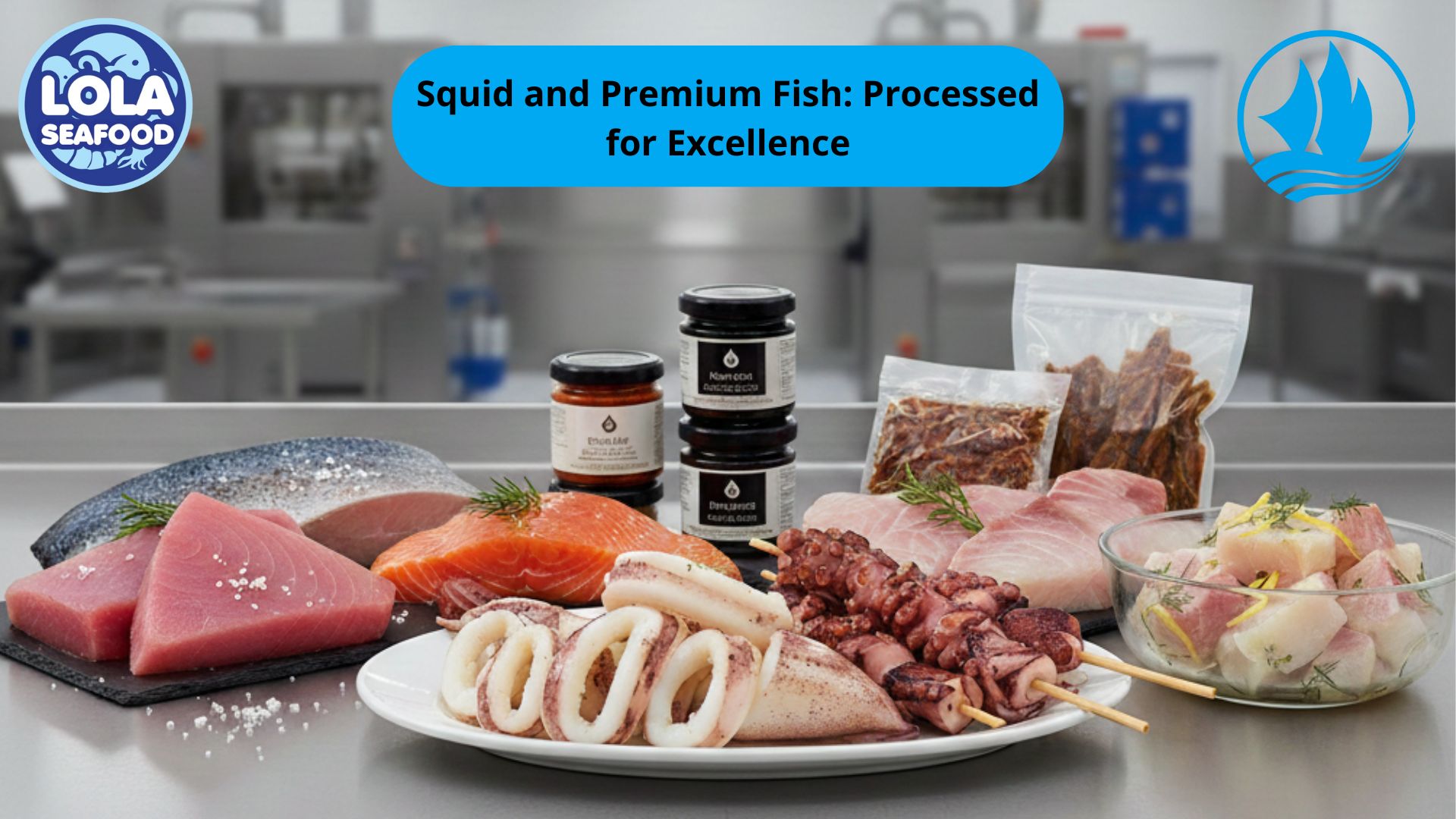
kelolalaut.com The global seafood industry has undergone a massive transformation over the last decade. No longer is it just about the catch of the day at a local harbor; it is now a sophisticated, high-tech journey from the depths of the ocean to the gourmet plates of international diners. At the heart of this evolution are two categories that demand the highest levels of precision and care: squid and premium fish. Achieving "excellence" in these products requires more than just harvesting—it requires a seamless integration of sustainable sourcing, cutting-edge processing technology, and rigorous quality control.
The Art of Sourcing: From Deep Blue to Cold Chain
The journey toward excellence begins long before the processing plant. For squid and premium fish—such as Atlantic Salmon, Bluefin Tuna, or Black Cod—the method of capture is the first determinant of quality.
Squid, known for its delicate texture and mild flavor, is highly sensitive to temperature. Premium processors often utilize jigging methods or specialized trawling that minimizes physical damage to the mantle. Similarly, for high-end fish, techniques like Ike Jime (a traditional Japanese method of neutralizing the nervous system) are increasingly adopted by global suppliers to preserve the fish’s umami and extend shelf life by preventing the buildup of lactic acid.
Once harvested, the Cold Chain is the most critical factor. To maintain the "Excellence" label, the catch must be flash-frozen—often at sea—using Individually Quick Frozen (IQF) technology. This process ensures that ice crystals do not rupture the cellular structure of the seafood, keeping the meat firm and succulent upon thawing.
Precision Processing: Where Technology Meets Quality
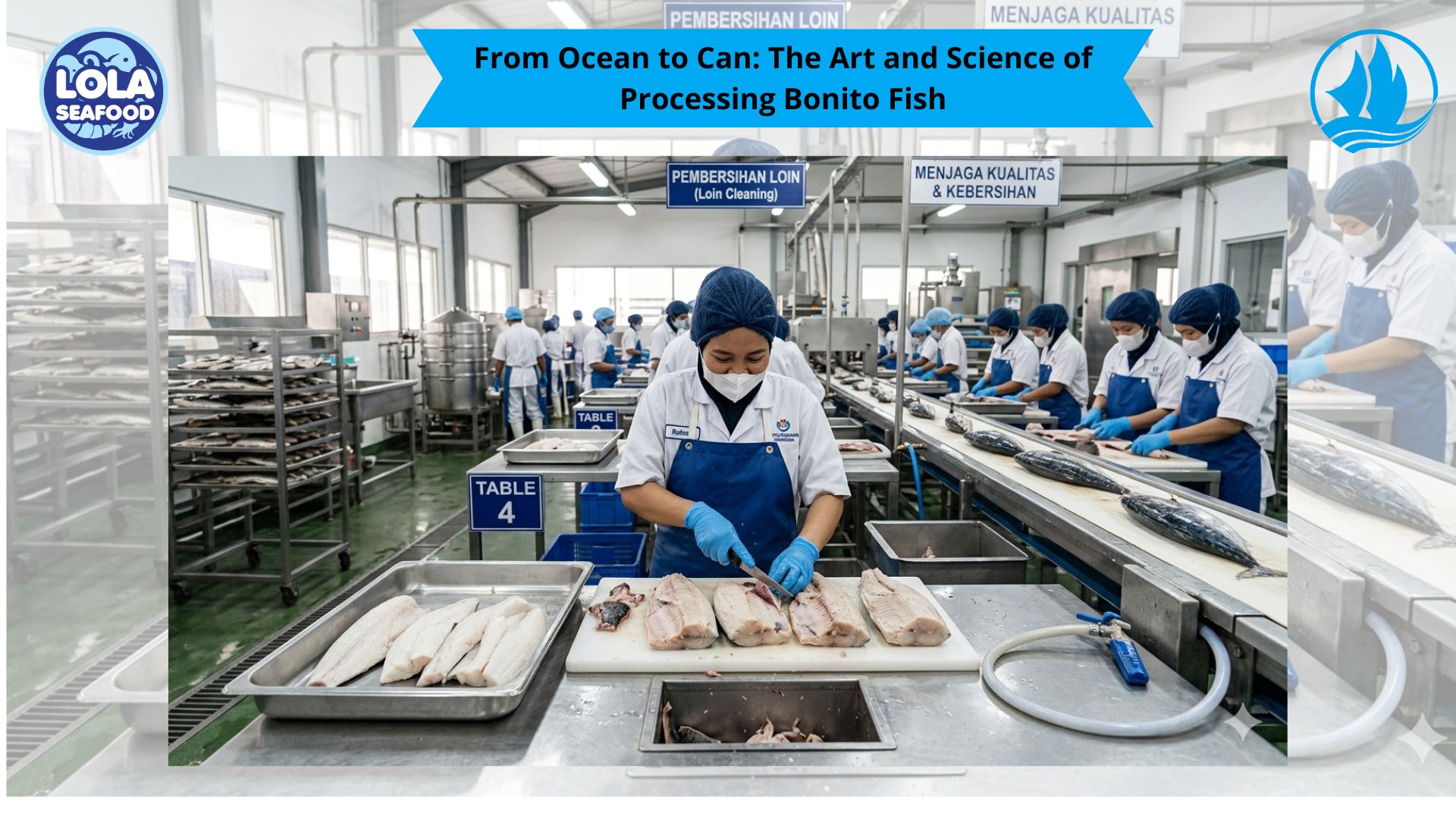
Modern processing facilities are wonders of engineering, designed to handle seafood with surgical precision. When squid and premium fish enter these facilities, they undergo several stages of refinement:
-
Automated Cleaning and Skinning: For squid, removing the beak, ink sac, and skin without tearing the flesh is essential. Advanced sensors and water-jet cutting technology now allow for perfect "rings and tubes" that are uniform in size and aesthetic.
-
The Filleting Masterclass: Premium fish require expert filleting. While high-speed machines are used for efficiency, many "Excellence" lines still employ master craftsmen for the final trim. This ensures that every fillet is free of bones and bloodlines, presenting a clean, vibrant appearance.
-
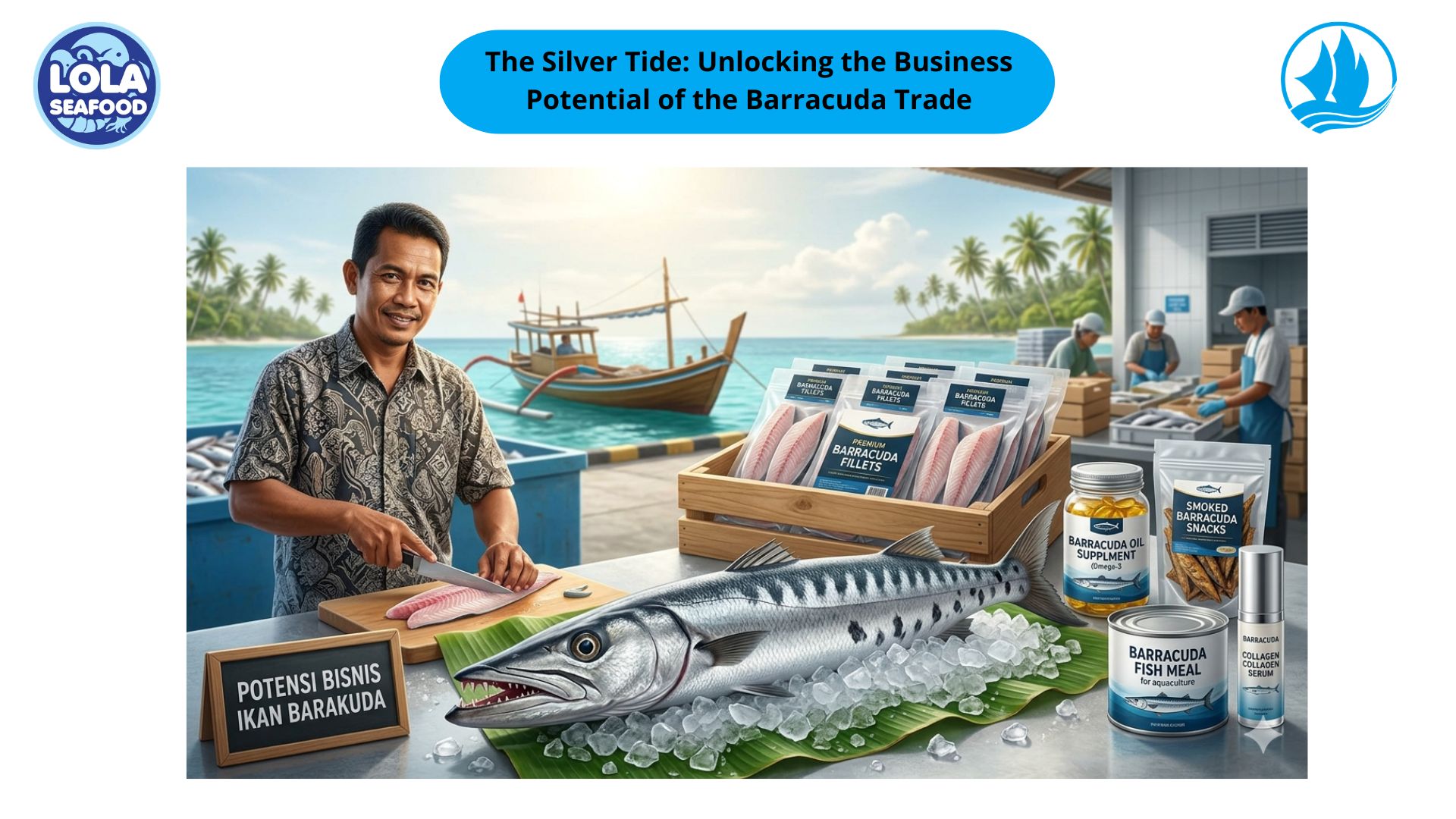
Value-Added Enhancements: Processing for excellence also involves innovation. This includes light brining, marinating in chef-inspired sauces, or breading with artisanal crumbs. For squid, "pineapple-cut" scoring is a popular technique that not only improves visual appeal but also allows for better heat penetration during cooking.
Ensuring Safety and Sustainability
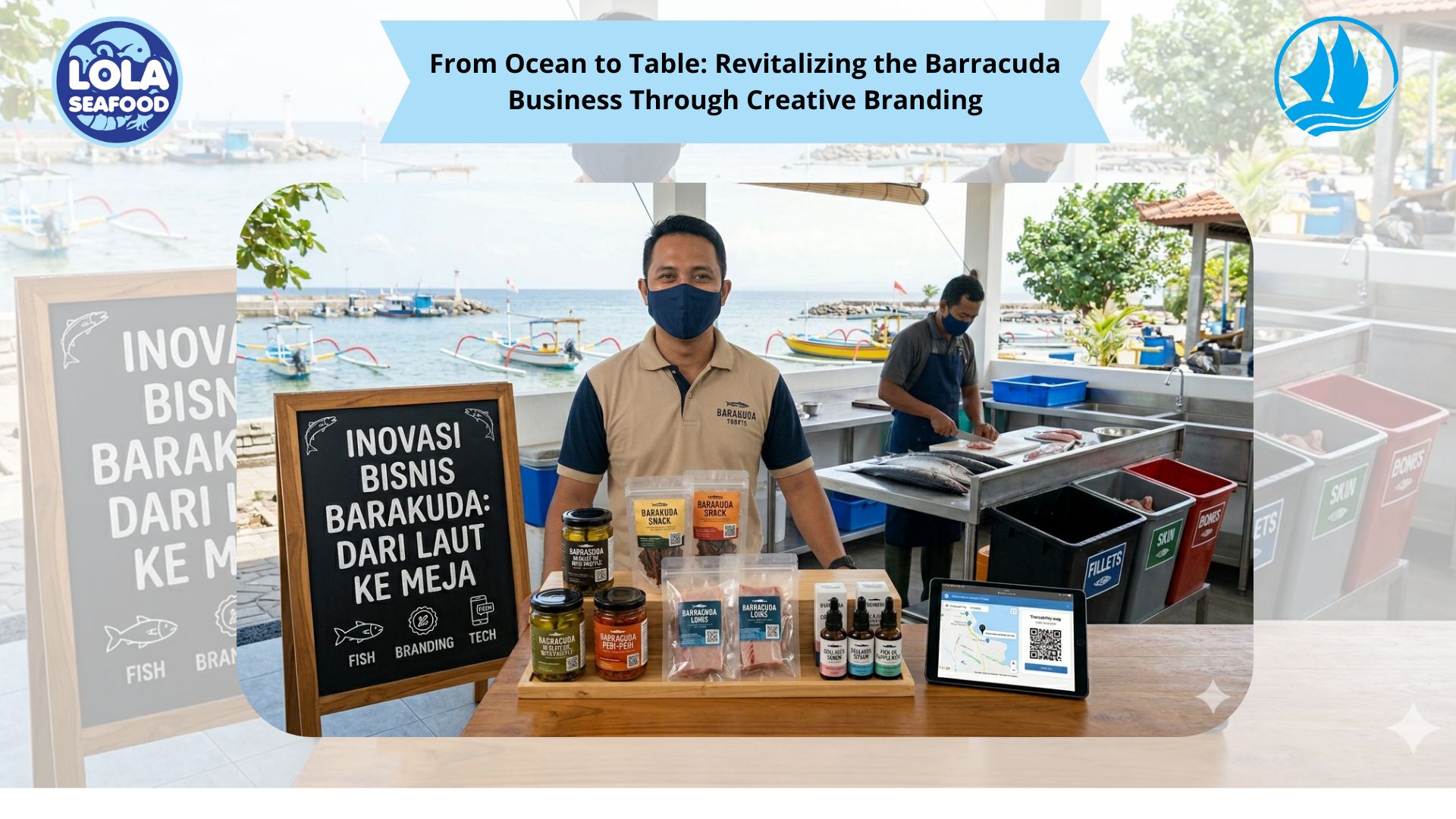
In today’s market, excellence is inseparable from traceability. Consumers and high-end restaurateurs want to know the "story" of their food. Leading processors now implement blockchain technology or QR code systems that allow a customer to trace a squid ring or a tuna steak back to the specific vessel and date of harvest.
Furthermore, international certifications such as MSC (Marine Stewardship Council) and ASC (Aquaculture Stewardship Council) serve as the gold standard. Processing for excellence means ensuring that the seafood is not only delicious but also ethically sourced, protecting marine ecosystems for future generations.
The Culinary Versatility of Processed Excellence
Why does this level of processing matter? The answer lies in the kitchen. When a chef receives squid or fish processed for excellence, they are receiving a product that is:
-
Consistent: Uniformity in thickness and weight ensures predictable cooking times, essential for busy commercial kitchens.
-
Safe: Rigorous microbial testing and HACCP-compliant facilities guarantee a product that meets the highest safety standards.
-
Convenient: Pre-cleaned and pre-cut seafood reduces labor costs and food waste, allowing the chef to focus on the final flavor profile.
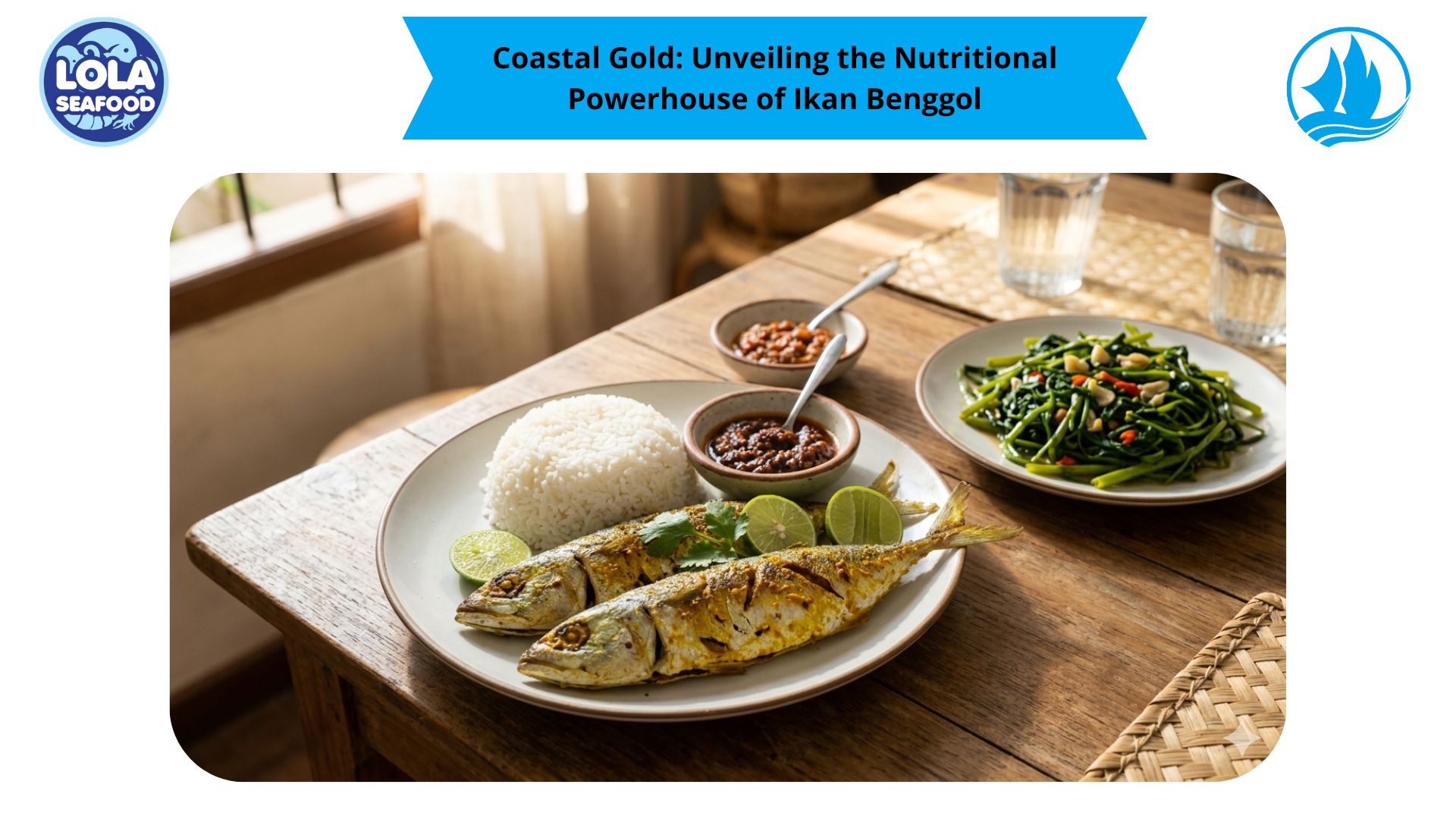
From the crisp, tender bite of a perfectly fried calamari ring to the buttery, melt-in-your-mouth experience of a premium seared salmon fillet, the difference is found in the processing.
.jpg)
.jpg)