Jenaha Fish: A Strategic Opportunity for Seafood Processing Industry Investors and Buyers
By. Wiwik Rasmini - 08 Jan 2026
kelolalaut.com The global seafood processing industry continues to grow alongside increasing demand for high-quality, nutritious, and sustainably sourced fish products. Among Indonesia’s valuable marine resources, Jenaha fish offers strong potential as a strategic raw material for seafood processors and investors. With its consistent quality, favorable processing characteristics, and growing market demand, Jenaha fish represents an attractive opportunity within the fisheries value chain.
Reliable Supply and Commercial Potential
One of the key considerations for seafood processors and investors is supply reliability. Jenaha fish is widely available in tropical marine waters and can be sourced through established fishing networks. With proper fisheries management and responsible harvesting practices, Jenaha fish offers a stable and scalable supply that supports long-term business planning.
Its commercial potential is further enhanced by strong domestic consumption and increasing international interest in premium white-flesh fish. This demand creates opportunities for processors to develop products tailored to various market segments, including retail, food service, and export channels.
Processing Advantages and Product Versatility
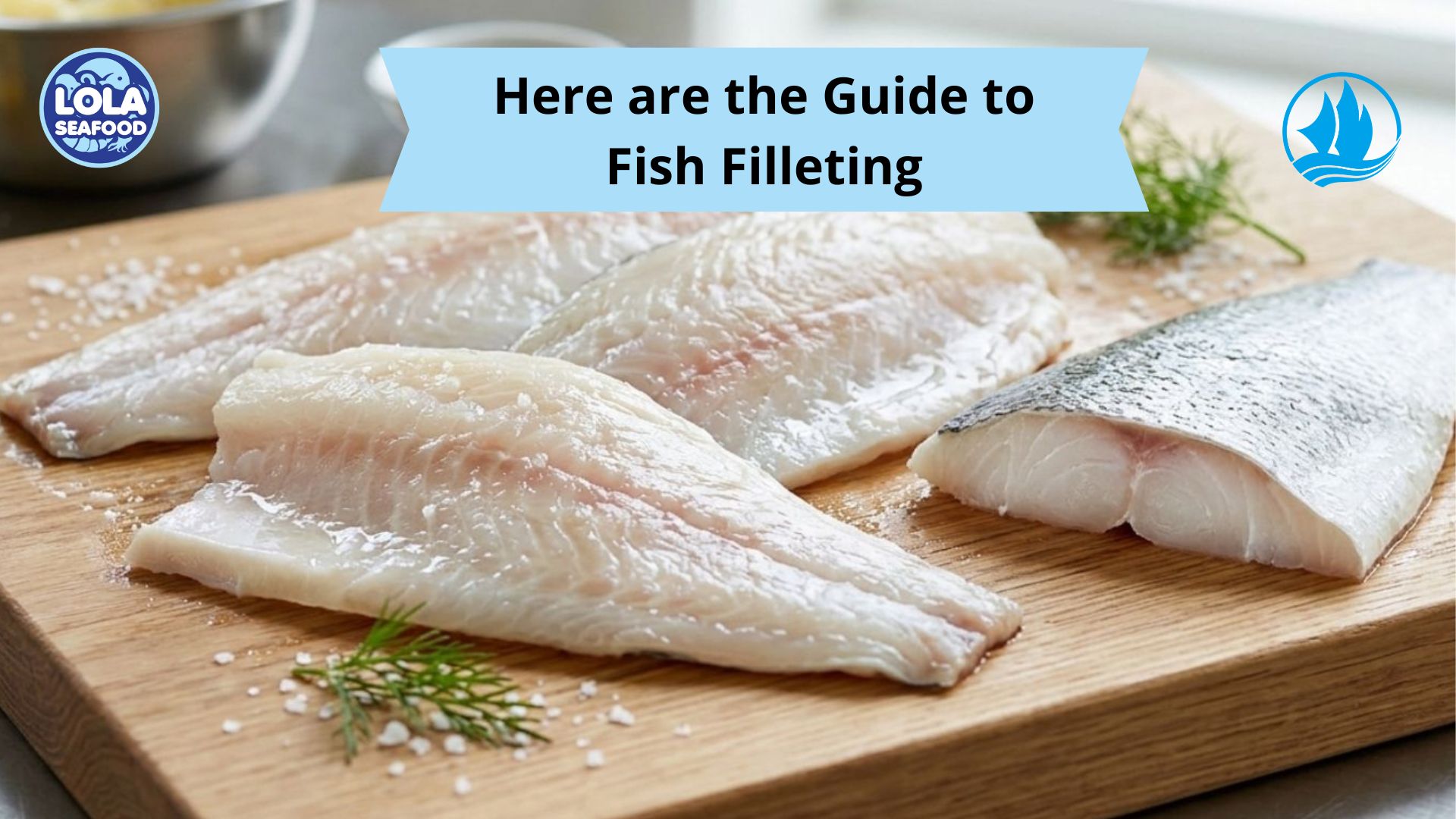
Jenaha fish is highly valued in the processing industry due to its firm texture, uniform fillet structure, and low bone content. These characteristics result in efficient processing yields and reduced waste, which directly contribute to improved operational efficiency and profitability.
The fish is suitable for multiple processing formats, such as fresh whole fish, skinless fillets, frozen blocks, and portion-controlled products. Additionally, Jenaha fish can be utilized in further processed items, including breaded products, ready-to-cook meals, and value-added seafood offerings. This versatility allows processors to respond quickly to changing market trends and consumer preferences.
Strong Nutritional Profile Supporting Market Demand
Modern consumers increasingly prioritize health and nutrition when selecting seafood products. Jenaha fish meets these expectations with its high-quality protein content, beneficial omega-3 fatty acids, essential vitamins, and important minerals. Its low saturated fat content further positions it as a healthy protein option aligned with global dietary recommendations.
For investors and buyers, this nutritional profile enhances the marketability of Jenaha-based products, enabling stronger branding and premium positioning in health-conscious markets.
Compliance with International Standards
Meeting international food safety and quality standards is critical for accessing global markets. Jenaha fish can be processed in compliance with widely recognized standards such as HACCP, GMP, and relevant export regulations. With proper cold chain management and quality control systems in place, Jenaha fish products can meet the requirements of demanding markets in Asia, Europe, and North America.
This compliance reduces market entry barriers for processors and increases confidence among buyers seeking reliable and traceable seafood suppliers.
Value Creation and Investment Opportunities
From an investment perspective, Jenaha fish offers multiple opportunities across the value chain. Investors can participate in fishing operations, cold storage facilities, processing plants, and export-oriented distribution networks. Value creation can be maximized through product differentiation, branding, and the development of ready-to-eat or ready-to-cook seafood products.
Furthermore, Indonesia’s strategic position as a major seafood-producing country provides access to skilled labor, established logistics infrastructure, and competitive production costs. These factors contribute to attractive margins and long-term growth potential for seafood processing investments.
Sustainability as a Competitive Advantage
Sustainability has become a critical factor in seafood sourcing decisions. Responsible fishing practices, traceability systems, and environmental compliance enhance the credibility of Jenaha fish as a sustainable raw material. For investors and buyers, sustainability is not only an ethical consideration but also a competitive advantage that supports brand reputation and long-term market access.
.jpg)
.jpg)

.jpg)
.jpg)
.jpg)