Ensuring Food Safety: HACCP Implementation for Head-Cutting and Evisceration of Bonito Fish
By. Nugroho Luhur - 02 Mar 2026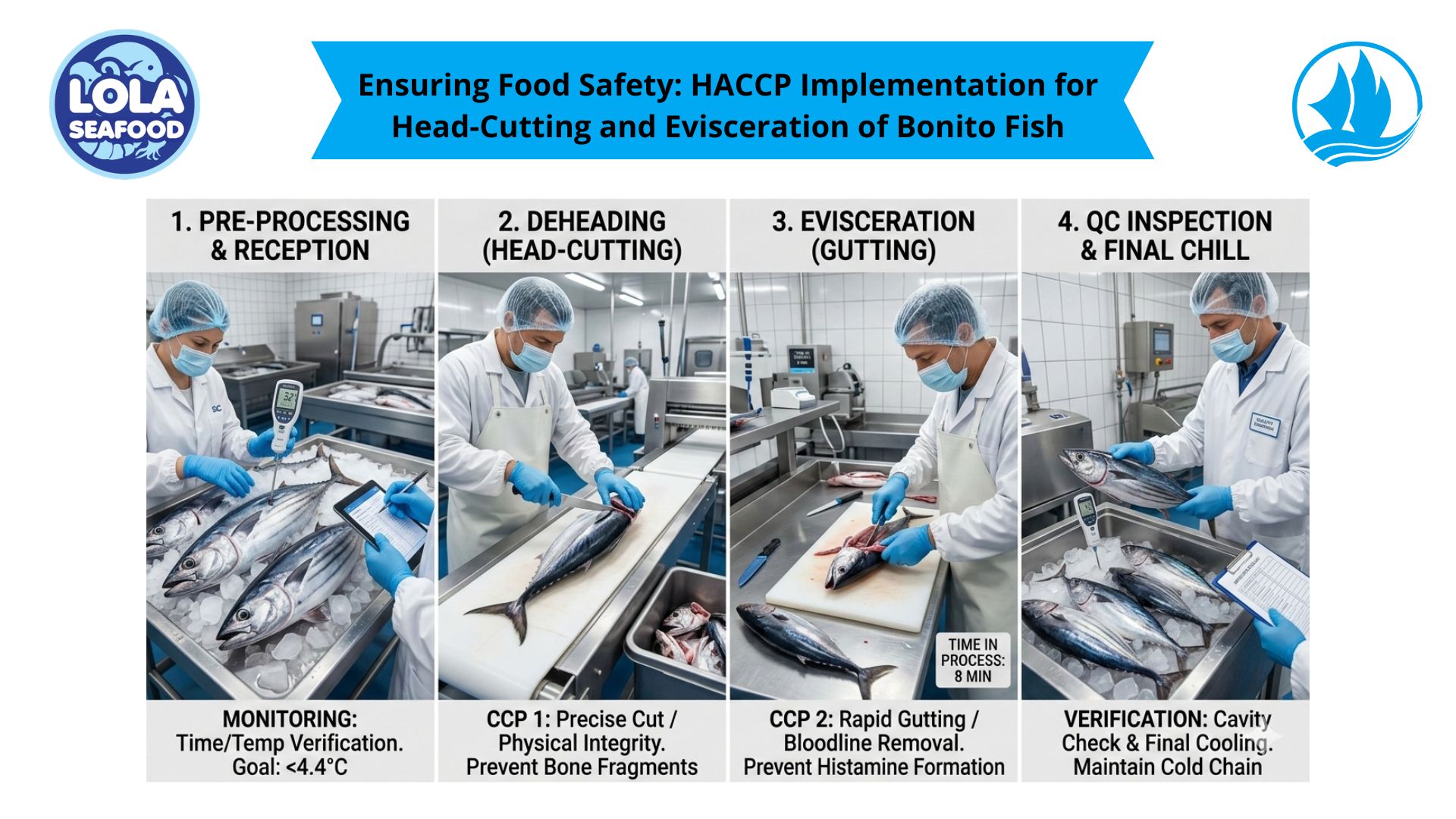
kelolalaut.com The global seafood industry operates under stringent quality controls, where the margin for error is razor-thin. Among the various species processed for international markets, the Bonito fish (Sarda sarda) is a staple, prized for its firm texture and rich flavor. However, as a scombroid fish, it carries specific biological risks. To mitigate these, the Hazard Analysis and Critical Control Point (HACCP) system is the gold standard.
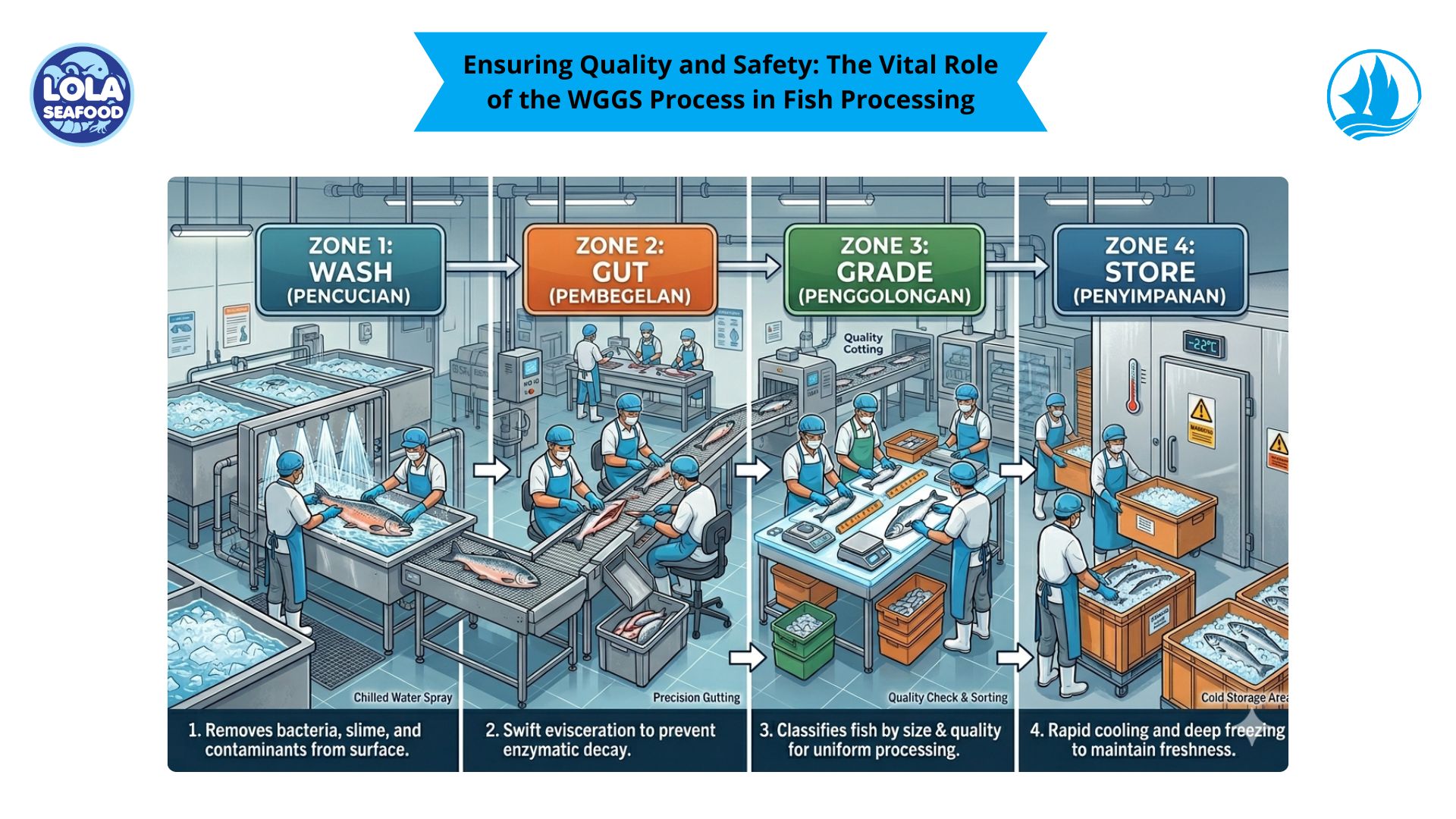
In the processing line, two stages are particularly sensitive: Head-Cutting (Deheading) and Evisceration (Gutting). These steps are not merely mechanical; they are the frontline of defense against microbial growth and chemical contamination.
The Biological Context: Why It Matters
Bonito fish belong to the family Scombridae. This classification is significant because these fish contain high levels of the amino acid histidine. If the fish is mishandled or kept at inadequate temperatures during the head-cutting and evisceration stages, bacteria can convert histidine into histamine (Scombroid poisoning). Unlike many pathogens, histamine is heat-resistant; once it forms, cooking will not eliminate it.
Furthermore, the viscera (innards) are a reservoir for spoilage bacteria and enzymes. If the gutting process is messy or delayed, these enzymes begin to break down the abdominal wall, leading to "belly burst" and localized spoilage.
1. The Pre-Requisite Programs (PRPs)
Before applying HACCP to the cutting board, a facility must have solid PRPs in place. These include:
- SSOP (Sanitary Standard Operating Procedures): Ensuring that knives, conveyor belts, and workers' gloves are sanitized every few hours.
- Cold Chain Integrity: Maintaining the processing room temperature below 12°C to prevent rapid bacterial multiplication.
2. Hazard Analysis: Identifying the Risks
During the head-cutting and evisceration of Bonito, three primary hazards are analyzed:
|
Hazard Type |
Specific Risk |
Source |
|
Biological |
Histamine formation / Vibrio growth |
Temperature abuse during processing. |
|
Chemical |
Cross-contamination |
Residues from cleaning agents on the blades. |
|
Physical |
Metal fragments |
Broken knife tips or machinery wear. |
3. Determining Critical Control Points (CCPs)
While every step in a factory is important, a CCP is a point where control can be applied to prevent, eliminate, or reduce a food safety hazard to acceptable levels.
In many Bonito processing plants, the Time-Temperature Control during evisceration is designated as a CCP. If the fish sits on a warm table for too long while being gutted, the risk of histamine development skyrockets.
4. Step-by-Step HACCP Integration
A. Head-Cutting (Deheading)
The goal here is a clean, swift cut. From a HACCP perspective, the focus is on Physical Integrity.
- The Procedure: Bonito are aligned on a v-cut or straight-cut machine (or manual station). The cut must be precise to avoid shattering the spinal column, which can release bone fragments into the meat.
- Critical Limit: Processing time must not exceed 30 minutes from the moment the fish leaves the cold storage to the completion of the cut.
B. Evisceration (Gutting)
This is the most "dangerous" phase regarding microbial load.
- The Procedure: A longitudinal incision is made in the belly. The viscera are removed entirely. It is vital that the gallbladder is not ruptured, as bile can stain the flesh and create off-flavors.
- Critical Control: After the guts are removed, the "blood line" (the kidney tissue along the backbone) must be scraped out.
- Monitoring: Quality Control (QC) officers perform hourly checks to ensure no remnants of the gut are left behind, as these harbor the enzymes that cause rapid spoilage.
5. Monitoring and Corrective Actions
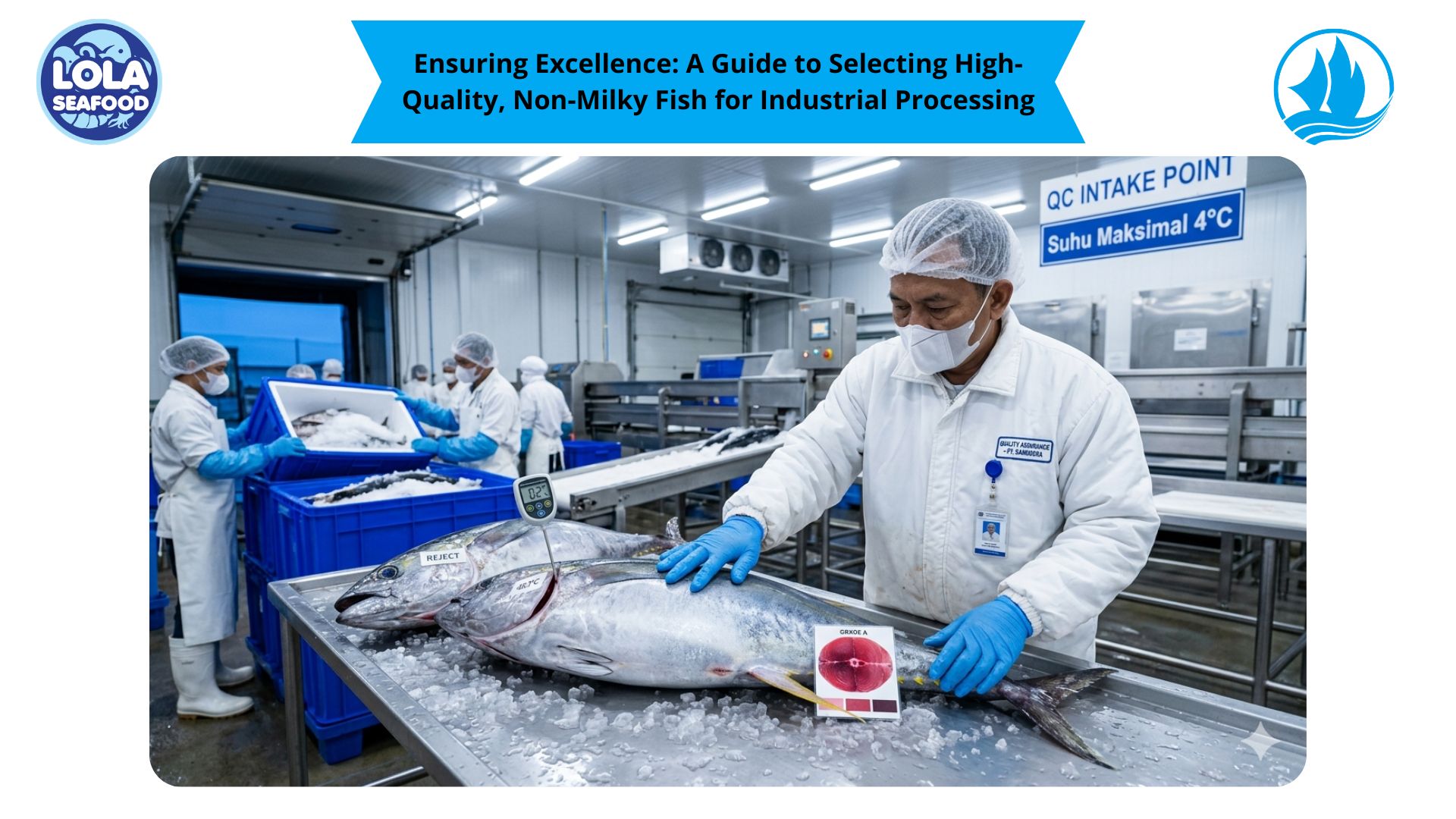
If the internal temperature of the Bonito rises above 4.4°C (40°F) during these stages, the HACCP plan dictates an immediate Corrective Action. This might involve:
- Moving the affected batch to a rapid-chill brine.
- Testing the batch specifically for histamine levels before proceeding.
- Recalibrating the room's refrigeration system.
6. Verification and Record Keeping
"If it isn't written down, it didn't happen." This is the mantra of HACCP. For Bonito processing, logs must be kept for:
- Daily Sanitation Logs: Verification that the deheading machines were cleaned.
- Temperature Logs: Hourly readings of the fish core temperature.
- Corrective Action Reports: Documentation of any deviations and how they were fixed.
If youre interested in our Bonito Fillet Loin , Bonito Fillet Portion Cut, Bonito Whole Round please do not hesitate to contact us through email and/or Whatsapp


.jpg)