HACCP Standardization in Anchovy Processing: The Key to Penetrating Global Export Markets
By. Fajar - 04 Mar 2026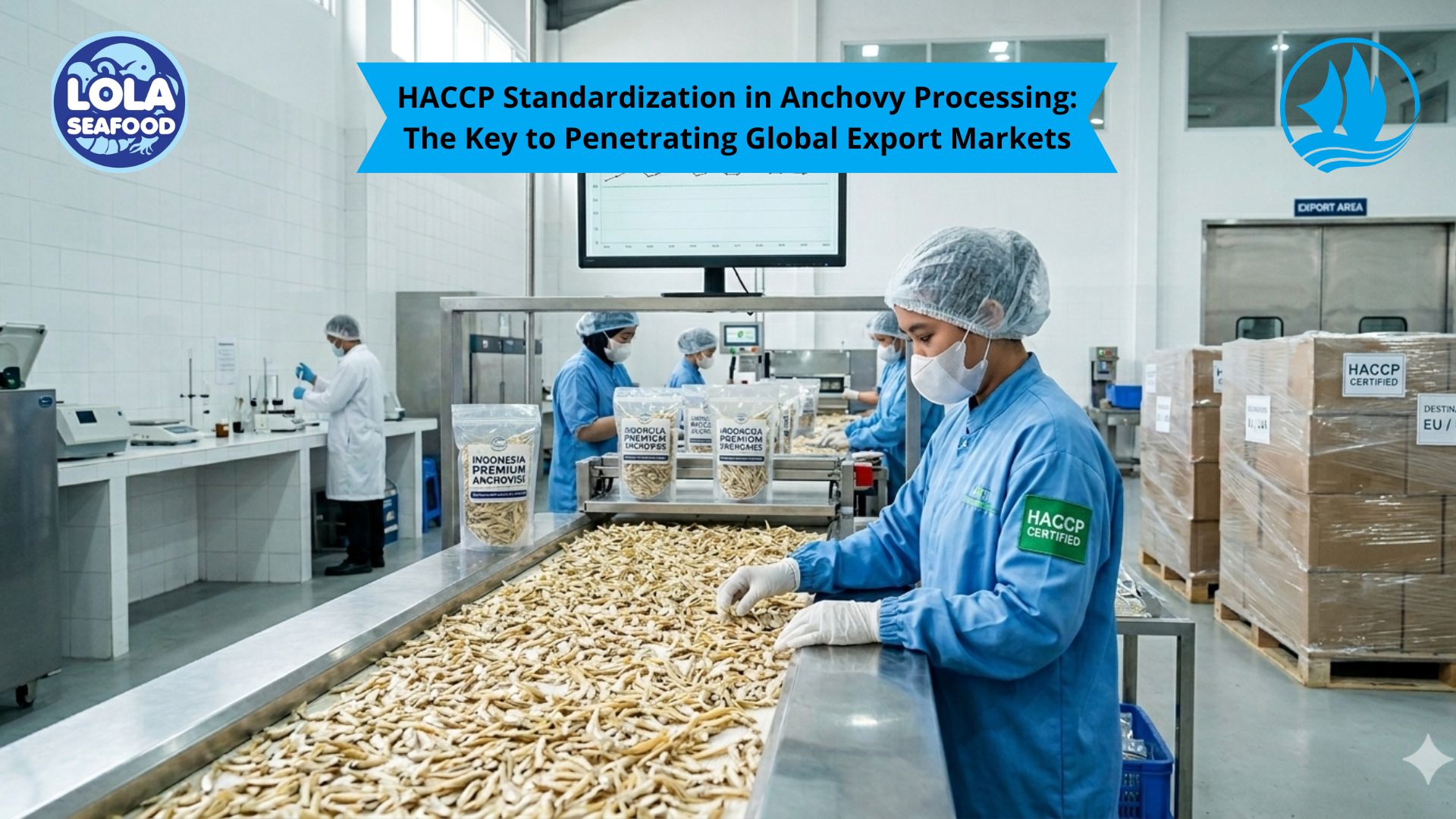
kelolalaut.com The global seafood industry is one of the most strictly regulated sectors in international trade. For producers of processed anchovies—a versatile, nutrient-dense staple—the transition from local markets to international shelves requires more than just high-quality raw materials. It requires a rigorous commitment to food safety. The Hazard Analysis Critical Control Point (HACCP) system stands as the gold standard in this regard, acting as the essential "passport" for anchovy products to enter prestigious markets like the European Union, the United States, and Japan.
Understanding the Anchovy Export Landscape
Anchovies (Stolephorus spp. or Engraulis spp.) are highly perishable. Due to their high moisture content and protein levels, they are susceptible to rapid microbial spoilage and chemical degradation. In many producing regions, traditional processing—such as sun-drying—is the norm. However, traditional methods often fall short of international safety standards due to risks of contamination from dust, insects, or inconsistent moisture levels.
To bridge this gap, HACCP provides a preventative framework that identifies, evaluates, and controls food safety hazards throughout the entire production chain, from the moment the fish are pulled from the net to the final packaging.
The Seven Pillars of HACCP in Anchovy Processing
Implementing HACCP isn't just about paperwork; it’s a systematic overhaul of the production floor. The process is built on seven core principles:
- Conduct a Hazard Analysis: For anchovies, this involves identifying biological (e.g., Salmonella or Vibrio), chemical (e.g., histamine or heavy metals), and physical (e.g., sand or metal fragments) hazards.
- Determine Critical Control Points (CCPs): These are stages where control can be applied to prevent or eliminate a hazard. In anchovy processing, receiving raw materials and the drying/salting stage are usually CCPs.
- Establish Critical Limits: For example, the moisture content of dried anchovies must be below 15% to inhibit mold growth, and histamine levels must be kept below specific parts per million (ppm).
- Establish Monitoring Procedures: This involves regular testing of salt concentrations and temperature checks during storage.
- Establish Corrective Actions: What happens if a batch isn't dry enough? HACCP defines whether the product should be reprocessed or discarded.
- Establish Verification Procedures: Regular audits and lab testing to ensure the system is working.
- Establish Record-Keeping: Documenting everything to provide "traceability"—a crucial requirement for exporters.
Overcoming the Histamine and Salt Challenge
One of the biggest hurdles in exporting anchovies is managing Histamine. Histamine is a biogenic amine that forms when fish are not chilled immediately after harvest. High levels can cause Scombroid poisoning, leading to immediate rejection by international customs.
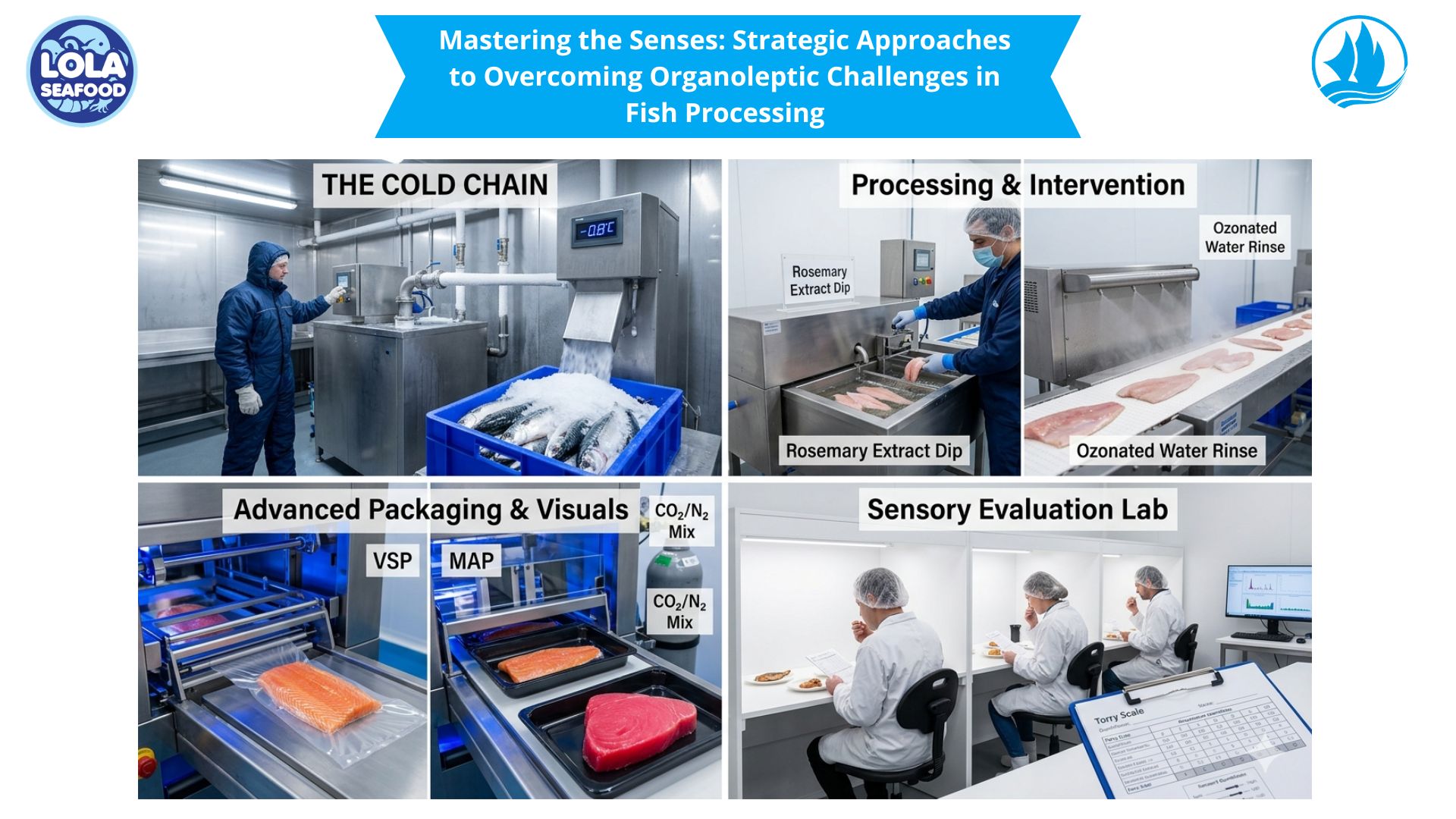
By implementing HACCP, processors ensure a "Cold Chain" is maintained. This means using ice the moment the fish are caught and monitoring the time-temperature profile during transport. Furthermore, the salting process must be precise. Salt acts as a preservative, but international consumers are increasingly health-conscious; HACCP helps balance the shelf-life benefits of salt with the nutritional standards required by global buyers.
Why Global Markets Demand HACCP
For a buyer in New York or Tokyo, a HACCP certification is a badge of trust. It signifies that the Indonesian or Southeast Asian processor operates with the same safety rigor as a domestic manufacturer.
- Market Access: The EU and US FDA legally require HACCP-based systems for all imported seafood.
- Reduced Waste: By catching errors at the "Critical Control Point" rather than at the end of the line, processors save thousands of dollars in rejected shipments.
- Brand Reputation: Consistent quality leads to long-term contracts with global retail chains like Costco or Carrefour.
From Local Craft to Global Commodity
Standardizing anchovy processing through HACCP is no longer an "added bonus"—it is a necessity. While the initial investment in equipment, laboratory testing, and staff training can be significant, the return on investment is found in the opening of borders.
When a processor masters the science of food safety, the humble anchovy is transformed from a local commodity into a premium global export. By focusing on preventative measures rather than reactive testing, exporters can confidently place their products on the world stage.
If youre interested in our Whiting Fish Whole Round,Barramundi Fillet Skin On,Catfish Fillet Skinless,Cobia Fillet Skinless,Coral Trout Fillet Skin On,Barramundi Whole Round / Whole Gilled Gutted Scaled,Corvina / Croaker / Jew Fish Whole Round / Whole Gilled Gutted Scaled,Black Pomfret Whole Round,Red / Scarlet Snapper Fillet Portion,Parrotfish Fillet Skinless,Baby Octopus Flower please do not hesitate to contact us through email and/or Whatsapp
.jpg)