The Importance of Personal Protective Equipment (PPE) in Fish Processing Plants
By. Monica - 04 Jun 2026.jpg)
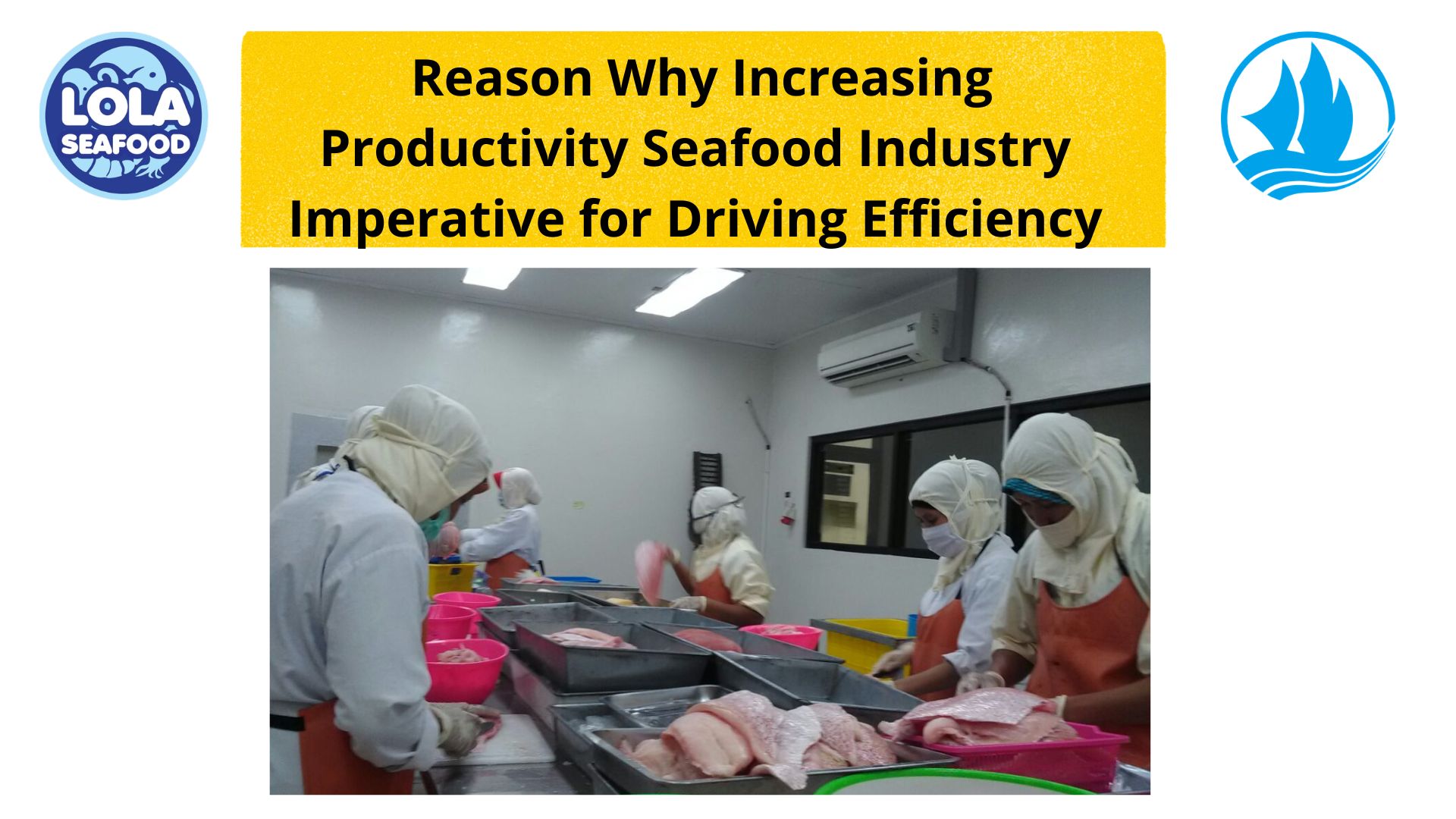
Kelolalaut.Com Fish processing plants play a crucial role in the seafood supply chain, transforming raw fish into products that meet consumer demands and food safety standards. However, these facilities present various workplace hazards, including sharp tools, slippery floors, cold environments, chemical exposure, and biological contaminants. To minimize these risks and protect workers, the use of Personal Protective Equipment (PPE) is essential. PPE serves as the last line of defense against workplace injuries and illnesses, helping to create a safer and more productive working environment.
Understanding PPE in Fish Processing Plants
Personal Protective Equipment refers to specialized clothing and equipment designed to protect workers from occupational hazards. In fish processing plants, PPE is tailored to address the unique risks associated with handling seafood and operating processing machinery.
Common types of PPE used in fish processing facilities include:
- Protective gloves for handling fish and sharp equipment
- Cut-resistant gloves to prevent injuries from knives and blades
- Waterproof aprons and protective clothing
- Safety boots with slip-resistant soles
- Hairnets and beard covers to maintain hygiene
- Face masks and face shields
- Safety goggles for eye protection
- Hearing protection in noisy processing areas
Each type of PPE serves a specific purpose in ensuring worker safety and maintaining product quality.
Workplace Hazards in Fish Processing Facilities
Fish processing plants present several occupational risks that can affect workers if proper safety measures are not followed.
1. Cuts and Lacerations
Workers frequently use knives, filleting machines, and other sharp tools. Accidental slips can result in serious cuts and injuries. Cut-resistant gloves significantly reduce the likelihood of such incidents.
2. Slips, Trips, and Falls
Water, fish residue, and ice often accumulate on processing floors, creating slippery conditions. Slip-resistant safety boots help workers maintain stability and prevent accidents.
3. Exposure to Cold Temperatures
Many fish processing operations occur in refrigerated environments to preserve product freshness. Prolonged exposure to cold temperatures can lead to discomfort, reduced dexterity, and health problems. Insulated protective clothing helps workers remain safe and comfortable.
4. Chemical Exposure
Cleaning and sanitation procedures involve the use of disinfectants and chemicals. Without appropriate gloves, goggles, and protective clothing, workers may experience skin irritation, burns, or respiratory issues.
5. Biological Hazards
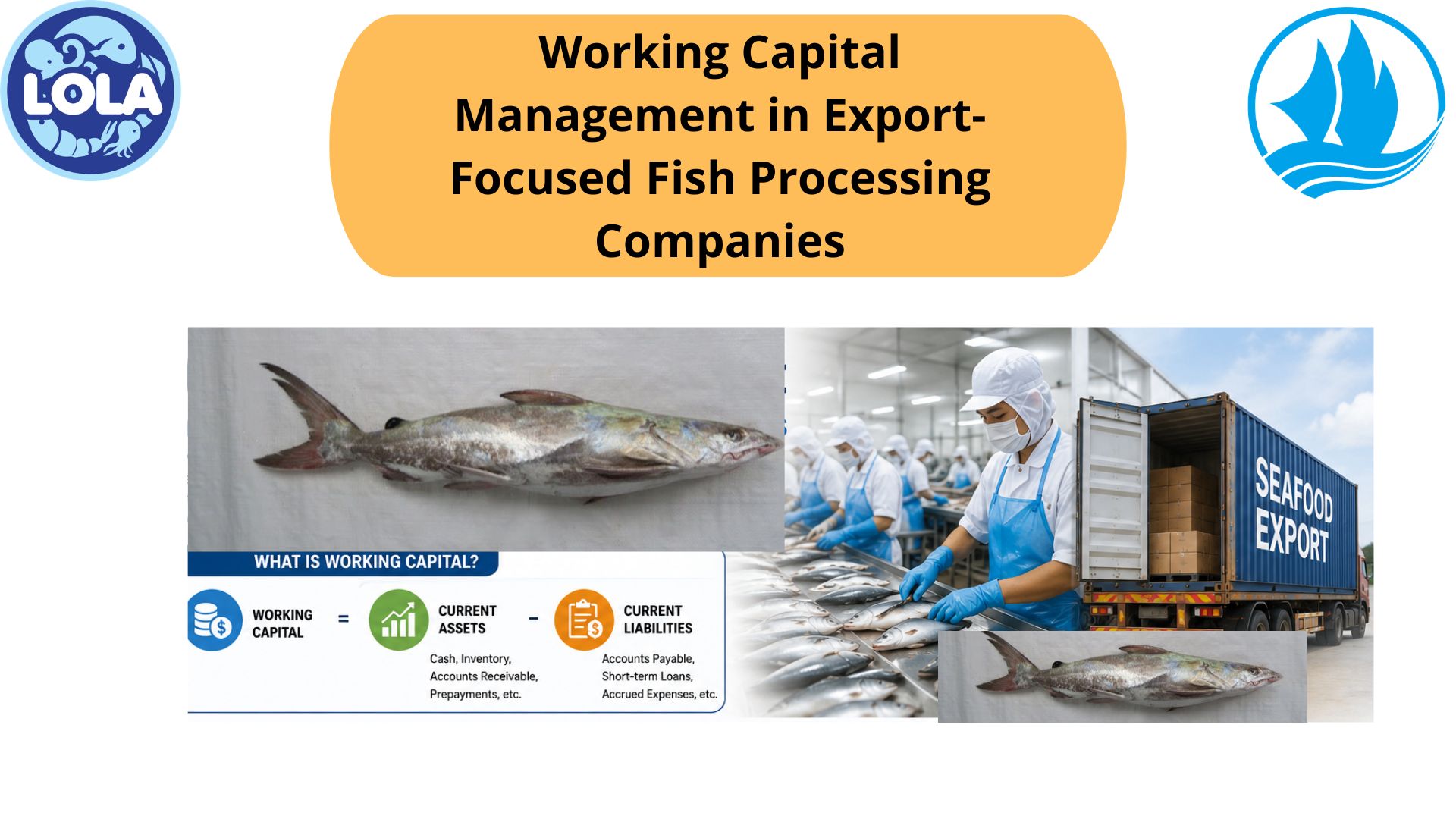
Raw fish can carry bacteria, viruses, and other microorganisms. Proper PPE minimizes direct contact and reduces the risk of contamination and infection.
Benefits of PPE in Fish Processing Plants
Enhancing Worker Safety
The primary benefit of PPE is the prevention of workplace injuries. By providing a physical barrier between workers and hazards, PPE significantly reduces accident rates and occupational illnesses.
Supporting Food Safety
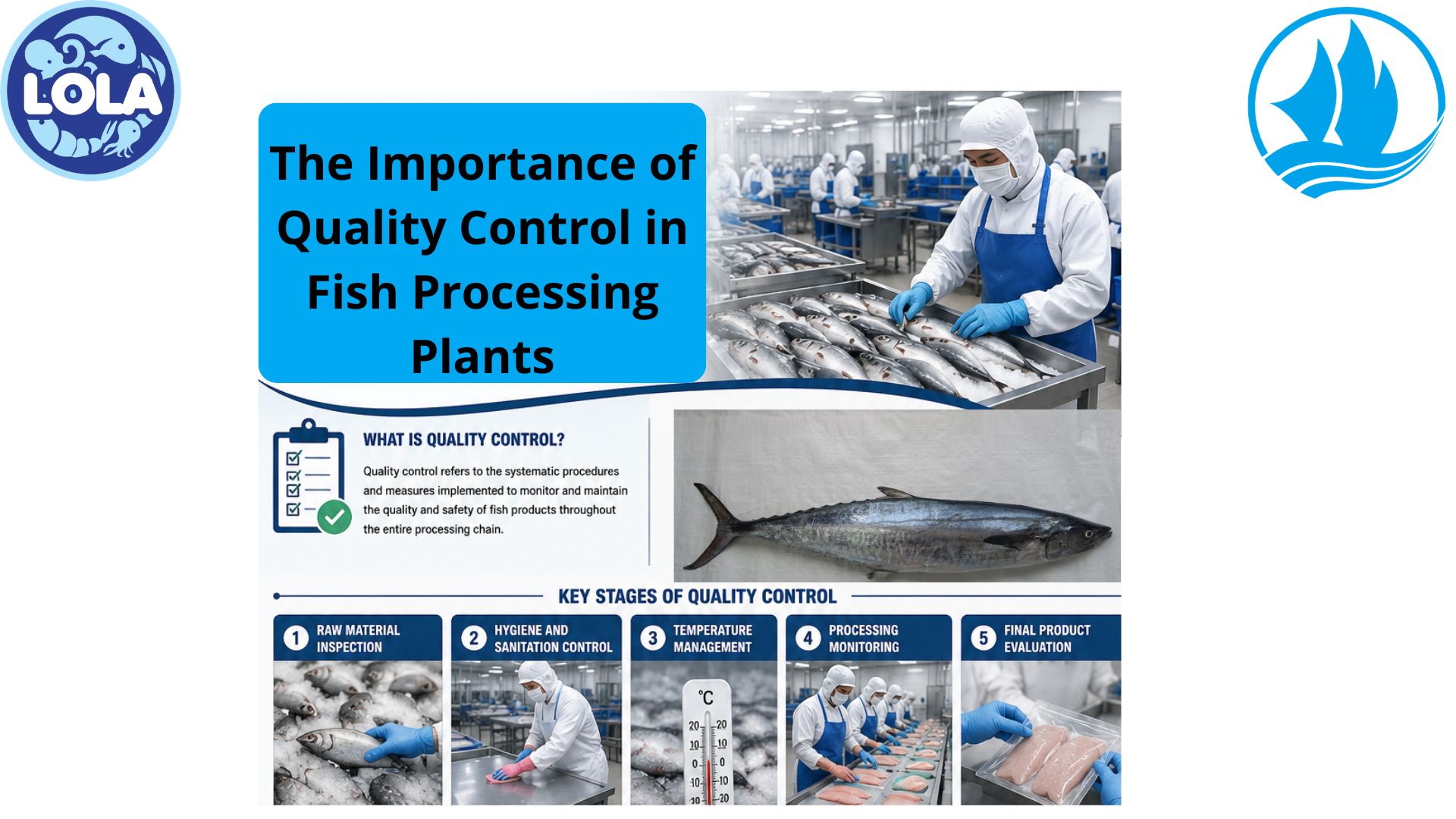
PPE not only protects workers but also helps prevent contamination of seafood products. Hairnets, gloves, masks, and clean protective clothing contribute to maintaining high hygiene standards throughout the processing operation.
Improving Productivity
A safe working environment enables employees to perform their tasks confidently and efficiently. Reduced injury rates mean fewer work disruptions, lower absenteeism, and improved operational performance.
Ensuring Regulatory Compliance
Many countries require food processing facilities to comply with occupational safety and food safety regulations. Proper PPE programs help organizations meet these legal requirements and avoid penalties.
Best Practices for PPE Implementation
To maximize the effectiveness of PPE, fish processing plants should adopt the following practices:
Provide Appropriate PPE
Employers should conduct risk assessments and supply PPE that matches the specific hazards present in each work area.
Train Employees
Workers should receive regular training on the correct use, maintenance, and limitations of PPE. Training increases awareness and encourages consistent compliance.
Conduct Regular Inspections
PPE should be inspected frequently for signs of damage or wear. Defective equipment should be replaced immediately to ensure continued protection.
Promote a Safety Culture
Management should encourage a workplace culture where safety is prioritized. Employees should understand that wearing PPE is an essential responsibility rather than a routine requirement.
Challenges in PPE Compliance
Despite its importance, some workers may resist using PPE due to discomfort, restricted movement, or lack of awareness. Employers can address these challenges by selecting high-quality, comfortable equipment and providing continuous education on the benefits of PPE. Employee involvement in PPE selection can also improve acceptance and compliance.
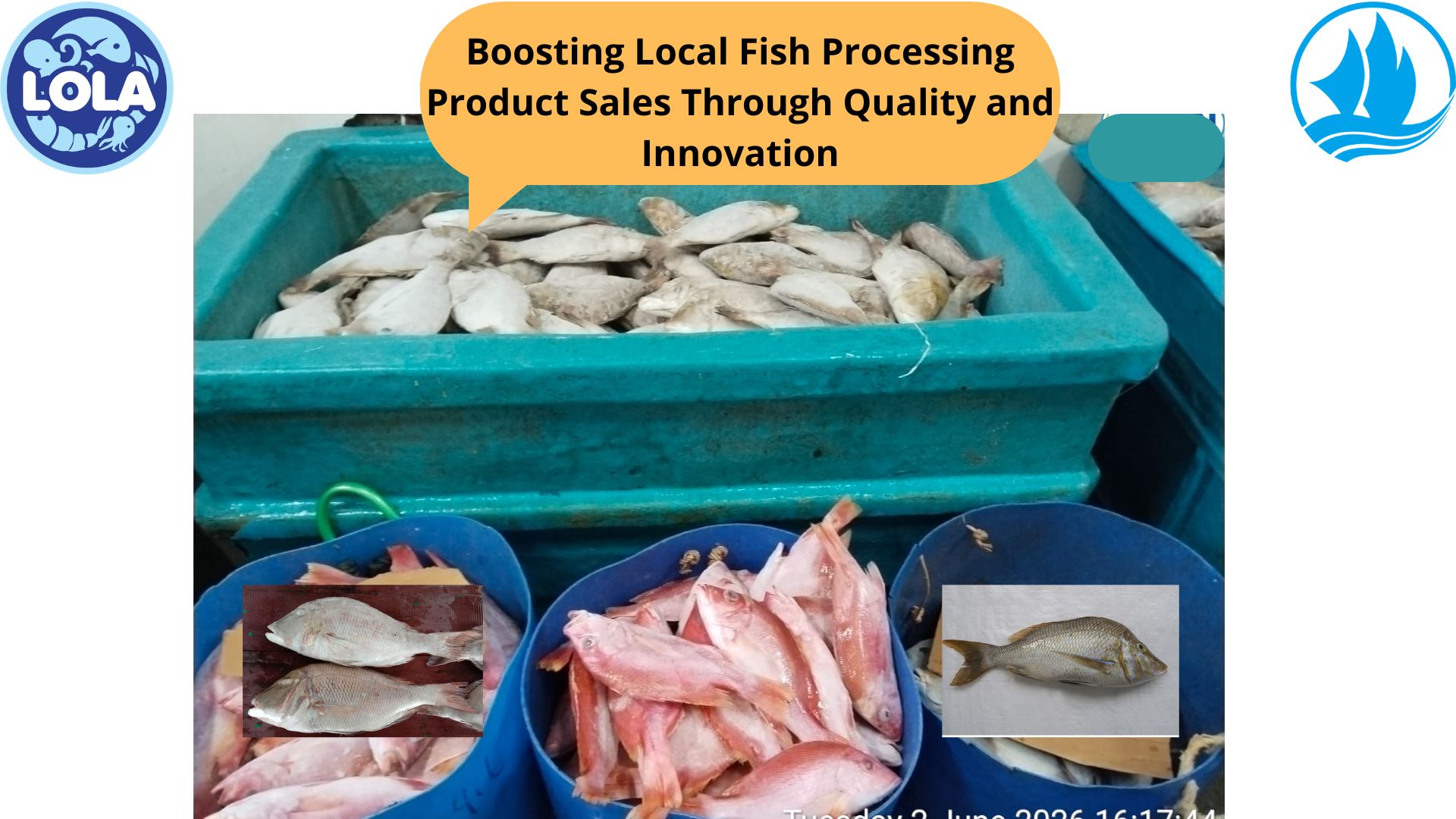
If youre interested in our Baby Octopus Flower Baby Octopus Whole Cleaned Baby Octopus Whole Round Barramundi Fillet Portion Cut Black Pomfret Portion Cut Bonito Whole Round Catfish Steak Catfish Fillet Skinless Catfish Steak Baby Octopus Whole Cleaned Catfish Fillet Skinless Barramundi Fillet Skinless Black Pomfret Portion Cut Bonito Whole Round Coral Trout Whole Round please do not hesitate to contact us through email and/or Whatsappp
.jpg)
.jpg)
.jpg)
.jpg)