Reason Why Increasing Productivity Seafood Industry Imperative for Driving Efficiency
By. Puji Widyastuti - 04 Jun 2026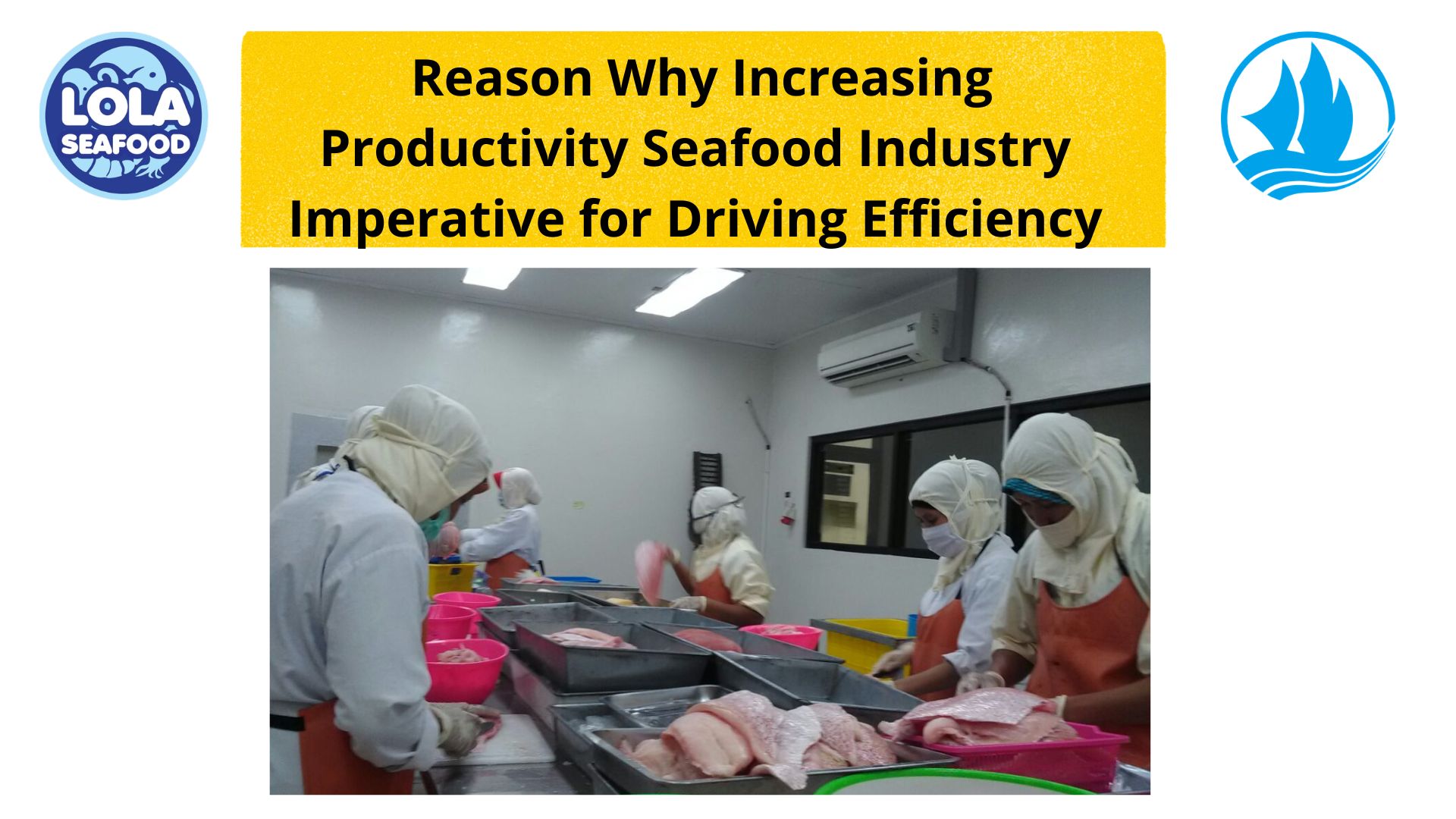
kelolalaut.com The global seafood industry is navigating a sea of unprecedented change. Rising global demand for marine protein, driven by a growing population and a shift toward healthier diets, is clashing with severe challenges: overfishing, stringent environmental regulations, fluctuating fuel prices, and complex, temperature-sensitive supply chains. In this high-stakes environment, traditional operational methods are no longer sufficient. For seafood enterprises to survive and thrive, increasing business productivity is no longer just a growth strategy—it is an absolute imperative for driving efficiency and ensuring long-term sustainability.
The Productivity-Efficiency Nexus
In economics, productivity measures the efficiency of production, comparing the volume of output to the volume of inputs. In the seafood sector, maximizing this ratio means extracting the highest possible value from every harvested fish, every hour of labor, and every watt of energy consumed.
When a seafood business boosts its productivity, it naturally eliminates waste and optimizes resource allocation. Efficiency is the direct byproduct of this upward trajectory. In an industry notoriously plagued by thin margins and perishable inventory, driving efficiency through productivity gains is the ultimate defense against operational volatility.
1. Mitigating the Burden of Rising Operational Costs
One of the most compelling reasons to prioritize productivity is the relentless rise in operational costs. Seafood harvesting and processing are highly resource-intensive. Fishing fleets grapple with volatile fuel prices, while processing facilities face soaring energy bills to maintain the uninterrupted cold chains crucial for food safety.
By investing in productivity-enhancing measures—such as fuel-efficient vessel designs, automated processing machinery, and energy-efficient refrigeration systems—businesses can drastically reduce their overhead.
- Automated filleting and sorting machines, for instance, process seafood at a fraction of the time required by manual labor.
- This automation dramatically lowers per-unit production costs, allowing companies to maintain competitive pricing without sacrificing their profit margins.
2. Maximizing Yield and Minimizing Post-Harvest Waste
Food loss is a monumental challenge in the seafood supply chain. Due to the highly perishable nature of marine products, poor handling, inadequate storage, and inefficient processing can lead to significant post-harvest losses. Improving productivity directly addresses this issue by optimizing yield management.
Modern productivity strategies utilize advanced technologies like IoT (Internet of Things) sensors to monitor storage temperatures in real-time, ensuring seafood remains pristine from vessel to plate. Furthermore, high-productivity processing plants utilize advanced recovery technologies to extract value from byproducts. Fish frames, skins, and heads—traditionally discarded as waste—are now processed into high-value fish oils, collagen, and animal feed.
The Result: Transforming potential waste into profitable product streams maximizes the yield of every catch, exemplifying how productivity drives environmental and financial efficiency simultaneously.
3. Solving the Labor Shortage Dilemma
The seafood industry, particularly processing and aquaculture management, is heavily reliant on manual labor. However, businesses worldwide are facing severe labor shortages, driven by aging workforces and the physically demanding nature of the job.
Increasing productivity through automation and digital integration allows companies to do more with less. It does not mean replacing human workers entirely; rather, it elevates their roles. When repetitive, hazardous, or tedious tasks—like heavy lifting or rapid sorting—are automated, the existing workforce can be upskilled to manage digital systems, oversee quality control, and handle strategic operations. This shift not only stabilizes production volumes despite labor constraints but also enhances workplace safety and job satisfaction.
4. Enhancing Supply Chain Traceability and Compliance
Today’s consumers and regulatory bodies demand transparency. Issues like Illegal, Unreported, and Unregulated (IUU) fishing have forced the industry to adopt strict traceability standards.
Integrating digital productivity tools, such as Enterprise Resource Planning (ERP) software and blockchain tracking, streamlines compliance. Instead of manually logging data on paper, digital systems capture catch locations, processing dates, and shipping conditions instantly. This boosts administrative productivity, slashes the time required for regulatory audits, and prevents costly logistical bottlenecks at international borders.
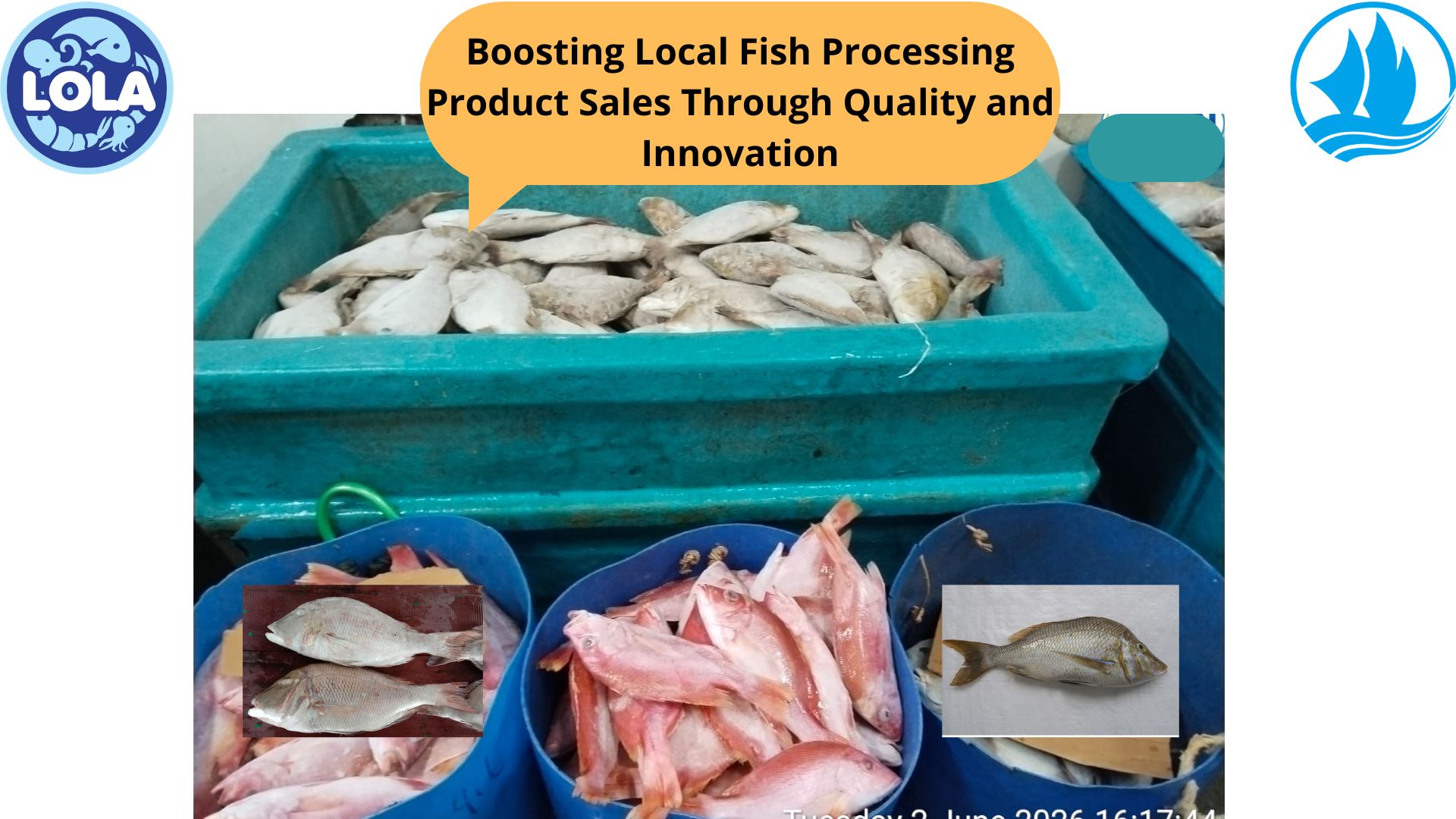
If youre interested in our Whiting Fish Whole Round,Barramundi Fillet Skin On,Catfish Fillet Skinless,Cobia Fillet Skinless,Coral Trout Fillet Skin On,Barramundi Whole Round / Whole Gilled Gutted Scaled,Corvina / Croaker / Jew Fish Whole Round / Whole Gilled Gutted Scaled,Black Pomfret Whole Round,Red / Scarlet Snapper Fillet Portion,Parrotfish Fillet Skinless,Baby Octopus Flower,Bonito Fillet Portion Cut,Catfish Fillet Skinless,Coral Trout Fillet Skinless,Baby Octopus Flower Baby Octopus Whole Cleaned Baby Octopus Whole Round Barramundi Fillet Portion Cut Black Pomfret Portion Cut Bonito Whole Round Catfish Steak Catfish Fillet Skinless Catfish Steak Baby Octopus Whole Cleaned Catfish Fillet Skinless Barramundi Fillet Skinless Black Pomfret Portion Cut Bonito Whole Round Coral Trout Whole Round please do not hesitate to contact us through email and/or Whatsappp
.jpg)
.jpg)
.jpg)
.jpg)
.jpg)