The Importance of Quality Control in Fish Processing Plants
By. Taufiq - 04 Jun 2026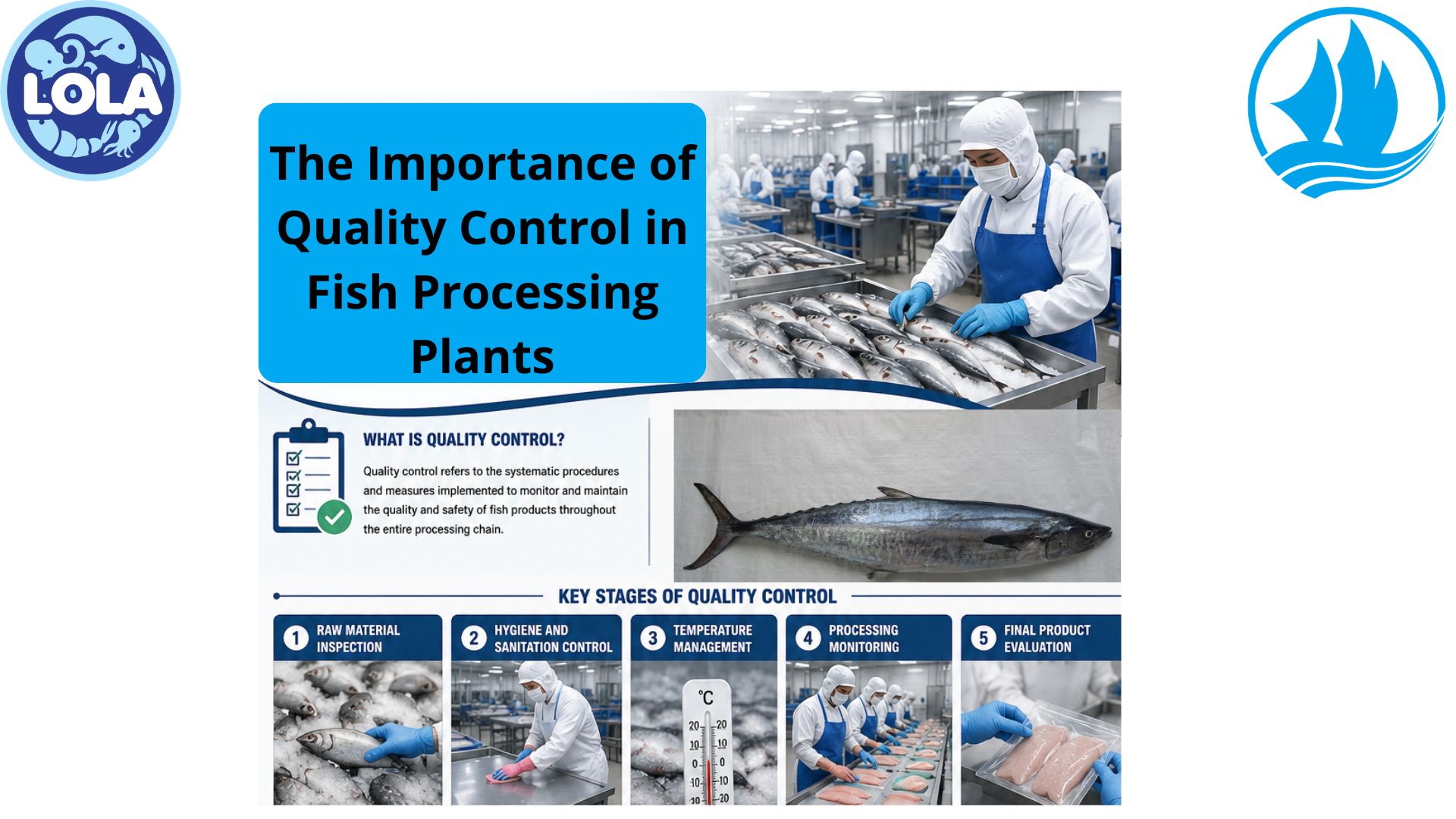
Kelolalaut.com The fish processing industry plays a vital role in supplying safe, nutritious, and high-quality seafood products to consumers around the world. As fish is a highly perishable food product, maintaining its freshness and safety throughout the processing chain is essential. Quality control is a fundamental aspect of fish processing plants, ensuring that products meet regulatory requirements, customer expectations, and food safety standards. Effective quality control practices help prevent contamination, reduce waste, and enhance the reputation of seafood companies.
What Is Quality Control in Fish Processing?
Quality control refers to the systematic procedures and measures implemented to monitor and maintain the quality and safety of fish products during processing. These procedures cover every stage of production, from the receipt of raw materials to the packaging and distribution of finished products.
The primary objectives of quality control in fish processing plants include:
- Ensuring food safety and consumer protection
- Maintaining product freshness and quality
- Meeting national and international regulations
- Reducing production losses and waste
- Increasing customer satisfaction and trust
Key Stages of Quality Control
1. Raw Material Inspection
Quality control begins when fish arrives at the processing facility. Inspectors evaluate several factors, including:
- Freshness and appearance
- Odor and texture
- Temperature upon arrival
- Size and species verification
- Signs of spoilage or contamination
Only fish that meets established quality standards should be accepted for processing.
2. Hygiene and Sanitation Control
Maintaining a clean processing environment is critical to preventing contamination. Fish processing plants must implement strict sanitation programs that include:
- Regular cleaning of equipment and work surfaces
- Employee hygiene training
- Proper handwashing procedures
- Pest control measures
- Sanitation monitoring and verification
Good hygiene practices significantly reduce the risk of microbial contamination.
3. Temperature Management
Temperature control is one of the most important factors in preserving fish quality. Fish products must be stored and processed at appropriate temperatures to prevent bacterial growth and spoilage.
Effective temperature management includes:
- Maintaining cold storage facilities
- Monitoring processing room temperatures
- Using ice and refrigeration systems
- Recording temperature data regularly
Proper temperature control helps extend shelf life and maintain product quality.
4. Processing Monitoring
Throughout processing operations such as filleting, trimming, freezing, and packaging, quality control personnel monitor critical parameters to ensure consistency and compliance with specifications.
Areas commonly monitored include:
- Product weight and dimensions
- Appearance and color
- Presence of foreign materials
- Packaging integrity
- Label accuracy
Continuous monitoring helps identify and correct issues before products reach customers.
5. Final Product Evaluation
Before shipment, finished products undergo final inspections and testing. These evaluations may include:
- Sensory assessments
- Microbiological testing
- Chemical analysis
- Packaging inspections
- Shelf-life verification
Products that fail to meet quality standards are rejected or reprocessed according to company procedures.
If youre interested in our Barramundi Whole Round / Whole Gilled Gutted Scaled,Corvina / Croaker / Jew Fish Whole Round / Whole Gilled Gutted Scaled,Black Pomfret Whole Round,Red / Scarlet Snapper Fillet Portion,Parrotfish Fillet Skinless,Baby Octopus Flower,Bonito Fillet Portion Cut,Catfish Fillet Skinless,Coral Trout Fillet Skinless,Baby Octopus Flower Baby Octopus Whole Cleaned Baby Octopus Whole Round Barramundi Fillet Portion Cut Black Pomfret Portion Cut Bonito Whole Round Catfish Steak Catfish Fillet Skinless Catfish Steak Baby Octopus Whole Cleaned Catfish Fillet Skinless Barramundi Fillet Skinless Black Pomfret Portion Cut Bonito Whole Round Coral Trout Whole Round Black Pomfret Portion Cut Cobia Fillet Skin On please do not hesitate to contact us through email and/or Whatsappp
.jpg)
.jpg)

.jpg)
.jpg)

.jpg)