Securing the Catch: Strategic Procurement Strategies for the Fish Processing Industry
By. Najih - 02 Jun 2026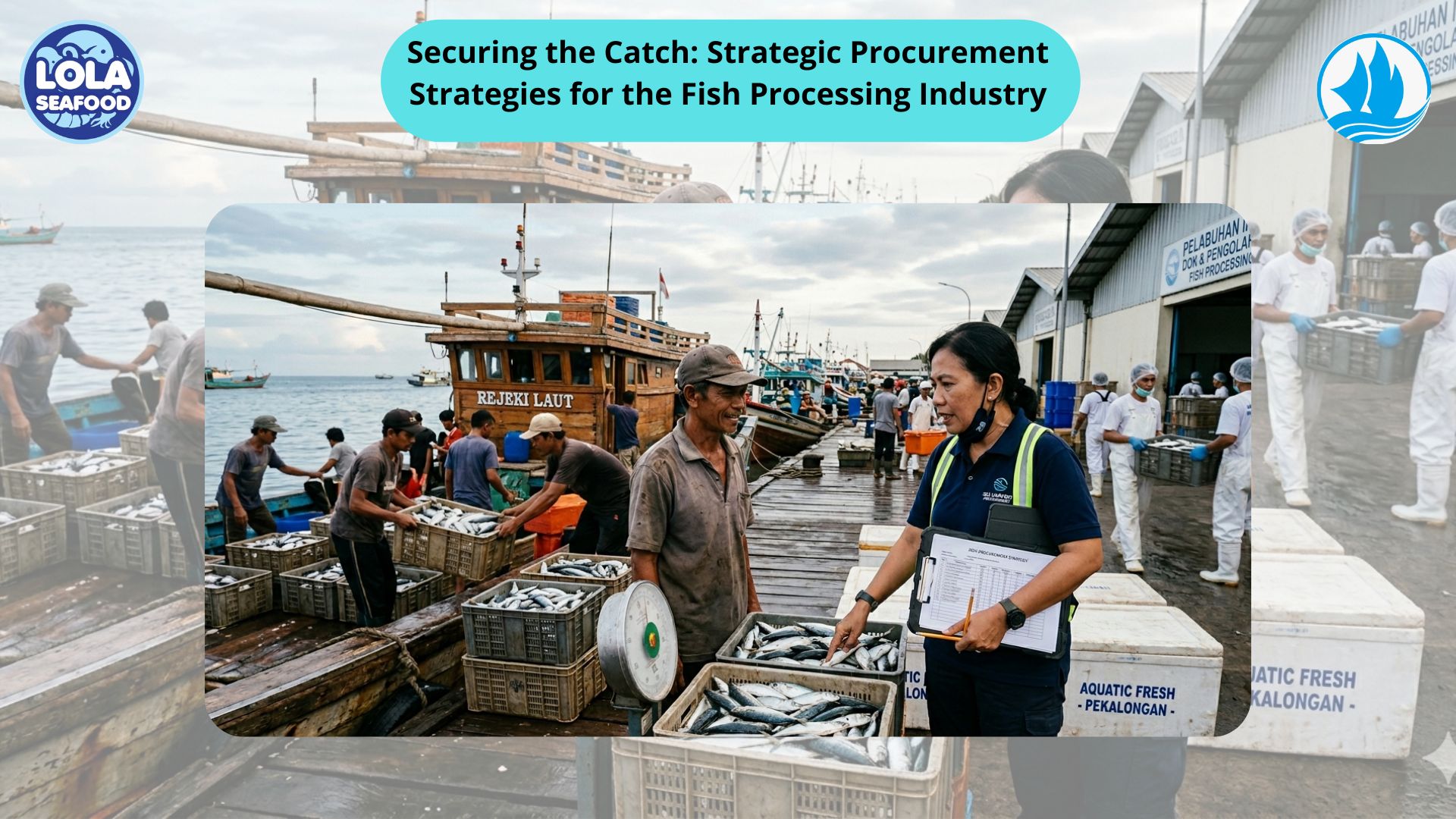
kelolalaut.com In the fish processing industry, raw material is not just a line item on a balance sheet; it is the single largest cost driver and the ultimate determinant of final product quality. However, seafood procurement is uniquely volatile. Unlike terrestrial agriculture, marine resources are subject to unpredictable weather patterns, seasonal migrations, strict government catch quotas, and the highly perishable nature of the catch itself.
Failing to secure a stable, high-quality, and cost-effective supply of raw fish can lead to catastrophic operational halts, severe profit margin erosion, and a loss of market share. To maintain a competitive edge, modern fish processors must transition from reactive purchasing to proactive, strategically aligned procurement frameworks.
1. Establishing Strategic Alliances and Long-Term Contracts
Relying strictly on the spot market at local ports leaves a processing business highly vulnerable to price gouging and supply deficits, especially during low-catch seasons. The antidote is building deeply integrated, mutually beneficial relationships with upstream suppliers.
- Cooperative Frameworks with Artisanal and Commercial Fleets: Signing long-term supply agreements with fishermen’s cooperatives provides volume guarantees for the processor and price stability for the fishers.
- Limited Vertical Integration and Co-Financing: Forward-thinking processors often invest directly in fleet infrastructure, providing low-interest financing for advanced gear or eco-friendly vessels. In return, the processor secures the "first-right-of-refusal" on all catches, effectively locking in premium raw materials before they hit open auctions.
2. Advanced Cold Chain Logistics Integration
Efficiency in procurement is not merely about negotiated purchase prices; it is equally about mitigating Post-Harvest Losses (PHL). If a fish degrades in quality between the vessel and the factory door, its economic value plummets.
- Immediate On-Board Priming: Processors must incentivize or mandate that suppliers utilize advanced Slush Ice or Refrigerated Seawater (RSW) systems immediately upon hauling the nets.
- IoT-Enabled Logistics: Integrating Internet of Things (IoT) temperature sensors within transport vehicles allows procurement teams to monitor the cold chain in real time. If a reefer truck experiences a sudden temperature spike, automated alerts trigger corrective actions immediately, preventing costly spoilage and ensuring optimal freshness upon arrival.
3. Geographic and Species Diversification
Geographic concentration is a major vulnerability in seafood sourcing. A localized storm, a regional red tide algae bloom, or a localized regulatory shutdown can instantly paralyze a factory that relies on a single fishing ground.
- Multi-Regional Sourcing Hubs: Processors should diversify their procurement networks across distinct geographic zones. If adverse weather suspends fishing operations in one region, supply chains in another region can step in to balance the factory’s raw material requirements.
- Flexible Formulation and Species Substitution: Where product specifications allow, procurement teams should collaborate with R&D departments to identify alternative, underutilized species that possess similar flesh texture and nutritional profiles, utilizing them whenever primary species prices spike unreasonably.
4. Data-Driven Supply and Demand Forecasting
Modern procurement must evolve beyond gut feelings and historical guesswork. Leveraging predictive analytics and data science allows processors to optimize their inventory and purchasing cycles.
|
Data Metric Analyzed |
Operational Impact |
Strategic Outcome |
|
Lunar Cycles & Weather Patterns |
Predicts peak harvest periods |
Facilitates volume-discount buying |
|
Historical Price Fluctuation Data |
Identifies optimal times for Buffer Stock creation |
Insulates the business from seasonal price spikes |
|
Global Market Demand Trends |
Align purchasing with high-margin customer orders |
Minimizes expensive holding costs in cold storage |
By utilizing Individually Quick Frozen (IQF) technologies during peak harvest seasons ("panen raya") when prices hit rock bottom, companies can build strategic buffer stocks to carry them through lean periods without impacting production costs.
5. Green Procurement and Regulatory Compliance
In today's global market, efficiency is inextricably linked with sustainability and compliance. Sourcing cheap, unverified fish often carries hidden, catastrophic costs—including heavy legal fines, border rejections, and brand destruction.
- Combating IUU Fishing: Implementing rigorous traceability systems ensures that all purchased fish are caught by licensed vessels operating legally.
- Sertifikasi Keberlanjutan (Sustainability Certifications): Prioritizing suppliers who adhere to sustainable fishing practices—such as using selective, non-destructive gear—streamlines international customs audits and unlocks entry into lucrative, eco-conscious premium retail markets worldwide.
If youre interested in our Whiting Fish Whole Round,Barramundi Fillet Skin On,Catfish Fillet Skinless,Cobia Fillet Skinless,Coral Trout Fillet Skin On,Barramundi Whole Round / Whole Gilled Gutted Scaled,Corvina / Croaker / Jew Fish Whole Round / Whole Gilled Gutted Scaled,Black Pomfret Whole Round,Red / Scarlet Snapper Fillet Portion,Parrotfish Fillet Skinless,Baby Octopus Flower,Bonito Fillet Portion Cut,Catfish Fillet Skinless,Coral Trout Fillet Skinless,Baby Octopus Flower Baby Octopus Whole Cleaned Baby Octopus Whole Round Barramundi Fillet Portion Cut Black Pomfret Portion Cut Bonito Whole Round Catfish Steak Catfish Fillet Skinless Catfish Steak Baby Octopus Whole Cleaned Catfish Fillet Skinless Barramundi Fillet Skinless Black Pomfret Portion Cut Bonito Whole Round Coral Trout Whole Round please do not hesitate to contact us through email and/or Whatsappp
.jpg)