Navigating the Deep: Strategic Blueprints for the Modern Fish Processing Industry
By. Kusni - 02 Jun 2026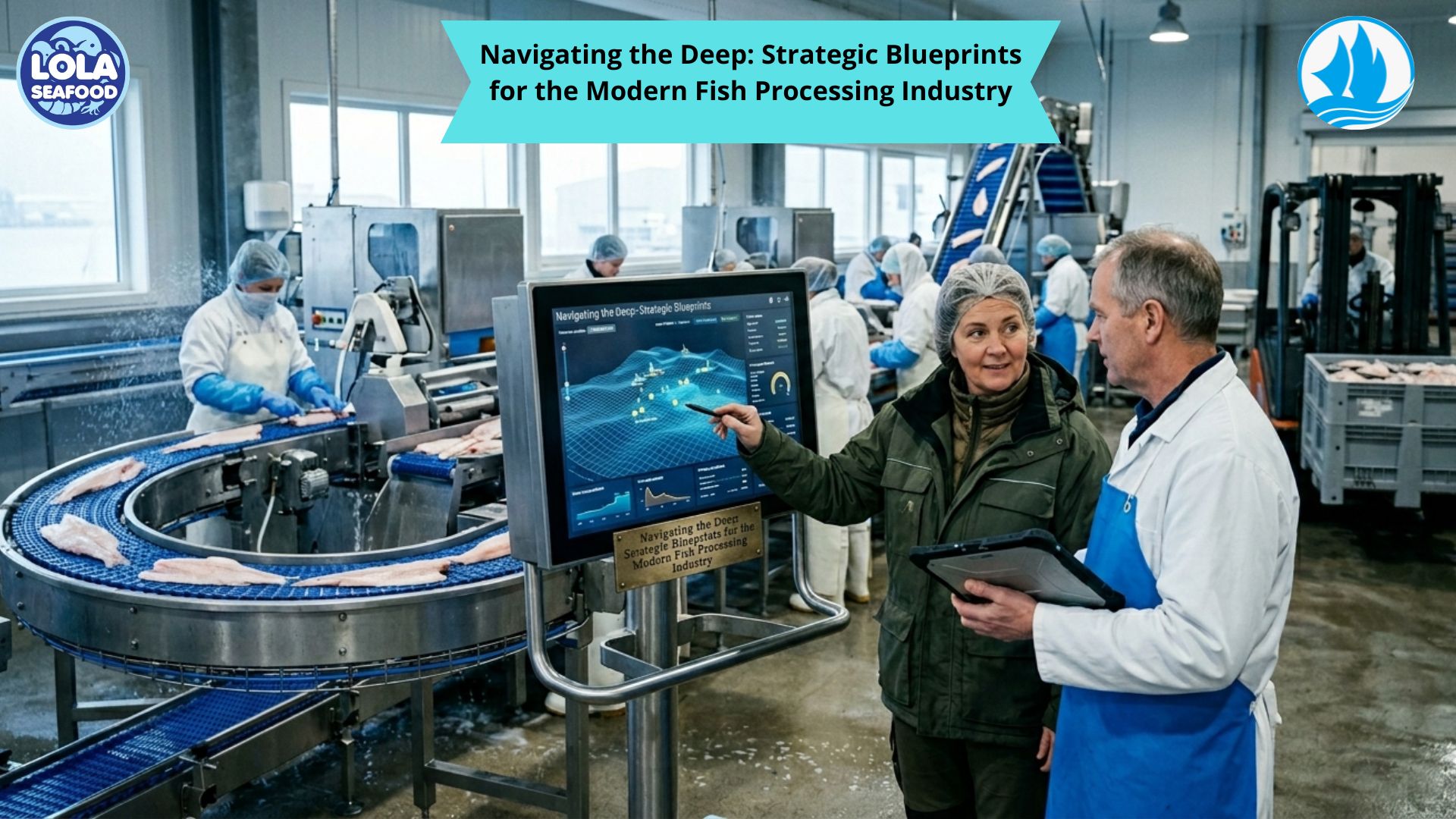
kelolalaut.com The global fish processing industry stands at a critical crossroads. As a vital component of the blue economy, it bridges the gap between aquatic harvesting and the rising global demand for marine protein. However, the modern landscape is fraught with challenges, ranging from stringent international food safety standards and volatile fuel costs to the existential threat of overfishing and climate change. To survive and thrive, seafood processors must transition from traditional, volume-driven models to value-oriented, highly efficient, and sustainable strategic frameworks.
Successfully navigating this sector requires a combination of technological innovation, strict quality compliance, market diversification, and a deep commitment to environmental stewardship.
1. Technological Integration and Automation
The fish processing sector has historically been highly labor-intensive, making it vulnerable to labor shortages, rising wages, and human error in quality control. Integrating automation is no longer a luxury; it is a baseline competitive strategy.
- Precision Processing: Implementing advanced automated filleting, deboning, and portioning machines reduces waste and drastically increases product yield. Machine learning algorithms paired with high-speed vision systems can now inspect fillets for defects, color discrepancies, and parasites far faster and more accurately than the human eye.
- Cold Chain IoT: Maintaining the cold chain is paramount. Deploying Internet of Things (IoT) sensors throughout the processing floor and transport vehicles ensures real-time temperature monitoring. This prevents spoilage, extends shelf life, and guarantees that the end consumer receives a premium-grade product.
2. Embracing Sustainability and Traceability
Modern consumers—particularly in lucrative markets like the European Union and North America—are highly conscious of the environmental impact of their food. A robust business strategy must embed sustainability into its core operations.
- Sourcing Certifications: Aligning with internationally recognized bodies such as the Marine Stewardship Council (MSC) or the Aquaculture Stewardship Council (ASC) opens doors to premium retail spaces.
- Blockchain for Traceability: Implementing blockchain technology allows processors to map their entire supply chain. By scanning a QR code on the packaging, consumers can trace a fish package back to the specific vessel, catch location, and date of processing. This transparency builds immense brand trust and effectively combats Illegal, Unreported, and Unregulated (IUU) fishing.
3. Maximizing Yield Through Zero-Waste Strategies
In traditional fish processing, up to 50% of the raw material (heads, frames, skin, and viscera) is discarded as waste. This is an massive economic inefficiency. Forward-thinking companies are adopting a circular economy approach by turning "waste" into valuable coproducts.
|
Processing Byproduct |
High-Value Application |
Target Market |
|
Fish Skins & Scales |
Collagen and gelatin extraction |
Cosmetics and pharmaceuticals |
|
Viscera & Trimmings |
Fish oils (Omega-3) and premium fishmeal |
Health supplements and aquaculture feed |
|
Chitin (from shellfish) |
Chitosan production |
Wastewater treatment and biomedical films |
By bio-refining these materials, processors can unlock entirely new revenue streams, often with higher profit margins than the primary fillets themselves.
4. Market Diversification and Value-Added Products
Relies solely on raw, frozen commodities exposes a business to severe market volatility and low margins. The strategic remedy is to pivot toward Value-Added Products (VAPs).
- Convenience Foods: The modern urban consumer demands convenience. Developing ready-to-cook, pre-marinated, or microwave-safe seafood meals taps into a rapidly growing market segment.
- Targeting the "Healthy Lifestyle" Demographic: Highlighting the natural health benefits of fish—such as high lean protein content, low saturated fats, and essential micronutrients—allows brands to position their products in the functional food category, justifying premium pricing.
The Path Forward
The fish processing industry is no longer just about cleaning and freezing catches; it is a sophisticated domain of food science, logistics, and technology. The most successful businesses will be those that view sustainability not as a regulatory burden, but as a market differentiator.
By automating the factory floor, verifying the supply chain through technology, eliminating waste via coproduct utilization, and innovating in the consumer space, fish processors can secure long-term profitability while safeguarding the precious marine resources that sustain them. The future belongs to the efficient, the transparent, and the innovative.
If youre interested in our Whiting Fish Whole Round,Barramundi Fillet Skin On,Catfish Fillet Skinless,Cobia Fillet Skinless,Coral Trout Fillet Skin On,Barramundi Whole Round / Whole Gilled Gutted Scaled,Corvina / Croaker / Jew Fish Whole Round / Whole Gilled Gutted Scaled,Black Pomfret Whole Round,Red / Scarlet Snapper Fillet Portion,Parrotfish Fillet Skinless,Baby Octopus Flower,Bonito Fillet Portion Cut,Catfish Fillet Skinless,Coral Trout Fillet Skinless,Baby Octopus Flower Baby Octopus Whole Cleaned Baby Octopus Whole Round Barramundi Fillet Portion Cut Black Pomfret Portion Cut Bonito Whole Round Catfish Steak Catfish Fillet Skinless Catfish Steak Baby Octopus Whole Cleaned Catfish Fillet Skinless Barramundi Fillet Skinless Black Pomfret Portion Cut Bonito Whole Round Coral Trout Whole Round please do not hesitate to contact us through email and/or Whatsappp
.jpg)