Safeguarding the Catch: A Comprehensive Guide to Preventing Bacterial Contamination in Seafood
By. Fajar - 04 May 2026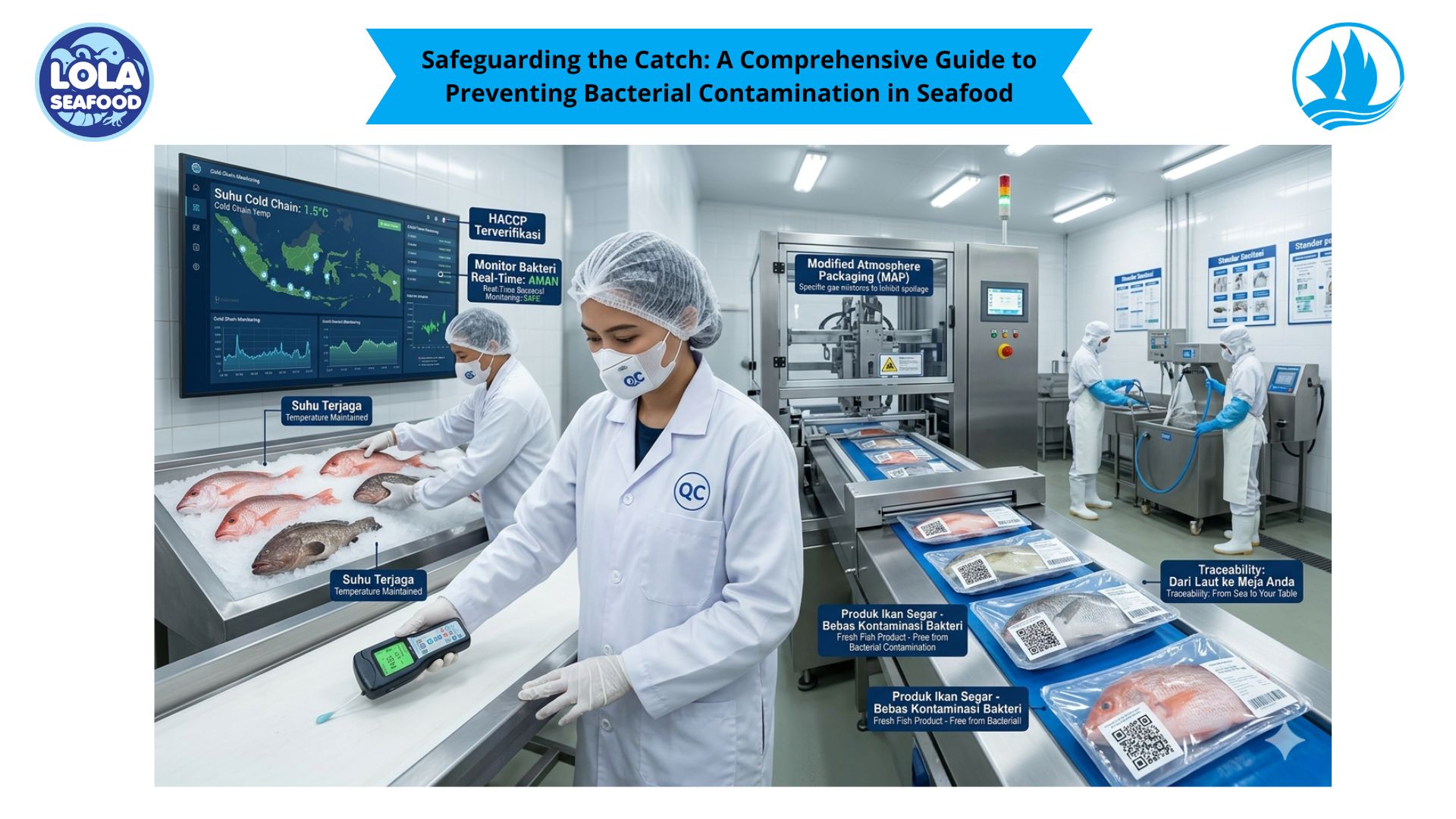
kelolalaut.com Seafood is a global dietary staple, revered for its high nutritional value and versatility. However, because fish and shellfish are highly perishable, they are susceptible to bacterial growth if not managed with absolute precision. For stakeholders across the supply chain—from harvesters and processors to retailers—anticipating and preventing bacterial contamination is not just a regulatory requirement; it is a fundamental pillar of public health and brand integrity.
The "invisible threat" of pathogens like Vibrio, Salmonella, and Listeria monocytogenes can compromise even the freshest catch if the cold chain is broken or sanitary practices are lax. To ensure safety, a proactive, multi-layered approach is required.
Understanding the Sources of Contamination
Bacterial contamination in seafood rarely stems from a single point of failure. It is often the result of cumulative mismanagement throughout the supply chain. Potential sources include:
- Harvesting Environments: While some bacteria occur naturally in aquatic environments, pollution and runoff can introduce harmful pathogens into the water column.
- Post-Harvest Handling: Improper hygiene during the gutting, filleting, or packing process is a primary cause of cross-contamination.
- Time-Temperature Abuse: This is perhaps the most significant factor. Bacteria thrive in warmer temperatures. Any delay in chilling the fish immediately after harvest provides a window for microbial proliferation.
- Facility Sanitation: In processing plants, biofilms can form on equipment surfaces, acting as a reservoir for recurring contamination if cleaning protocols are inadequate.
The Golden Rule: Maintaining the Cold Chain
The most effective weapon against bacterial growth in seafood is temperature control. The "cold chain" must remain unbroken from the moment of harvest until the product reaches the consumer’s plate.
- Rapid Chilling: Fish must be chilled to near 0°C (32°F) as quickly as possible. Utilizing slush ice, refrigerated sea water (RSW), or rapid freezing technology immediately on board the vessel prevents the "lag phase" of bacterial growth from turning into an exponential one.
- Consistent Monitoring: Relying on simple thermometers is no longer enough. Modern facilities should utilize IoT-enabled sensors that provide real-time data on the internal temperature of shipments. Automated alerts can notify managers if a refrigerated truck or storage unit drifts outside of safe operating parameters.
Implementing Robust Systems: HACCP and Traceability
To move from reactive to proactive, industry leaders must rely on the Hazard Analysis Critical Control Point (HACCP) framework. This systematic approach identifies where potential biological, chemical, and physical hazards occur and implements controls at those specific points.
Furthermore, digital traceability is a game-changer. By utilizing blockchain or QR-code-based tracking, stakeholders can monitor the entire lifecycle of a specific batch of fish. If a contamination event is suspected, traceability allows for "surgical" recalls—removing only the affected product rather than disposing of an entire inventory. This not only saves costs but maintains consumer trust by ensuring that only safe products remain in the marketplace.
The Role of Technology and Sanitation
Advanced sanitation protocols are no longer optional. Today, facilities should employ:
- ATP Bioluminescence Testing: This technology allows quality assurance teams to detect organic residues—and therefore potential bacterial hiding spots—on surfaces in seconds, rather than waiting days for lab culture results.
- Modified Atmosphere Packaging (MAP): By adjusting the gas composition (e.g., nitrogen or carbon dioxide levels) within sealed packaging, producers can significantly inhibit the growth of aerobic spoilage bacteria and extend the shelf life of the product without chemicals.
Consumer and Retailer Responsibility
While the industry handles the bulk of safety measures, the end-of-chain responsibility is equally vital. Retailers must be educated on proper display techniques, such as ensuring seafood is not stacked too high in ice displays, which can create warm pockets. For consumers, simple education on proper thawing techniques (in the refrigerator rather than on the counter) and ensuring internal cooking temperatures reach the FDA-recommended 145°F (63°C) can act as the final line of defense against foodborne illness.
If youre interested in our Whiting Fish Whole Round,Barramundi Fillet Skin On,Catfish Fillet Skinless,Cobia Fillet Skinless,Coral Trout Fillet Skin On,Barramundi Whole Round / Whole Gilled Gutted Scaled,Corvina / Croaker / Jew Fish Whole Round / Whole Gilled Gutted Scaled,Black Pomfret Whole Round,Red / Scarlet Snapper Fillet Portion,Parrotfish Fillet Skinless,Baby Octopus Flower please do not hesitate to contact us through email and/or Whatsapp
.jpg)
.jpg)