Maximizing Value: Business Potentials in the Gill Net Fish Processing Industry
By. Puji Widyastuti - 18 Feb 2026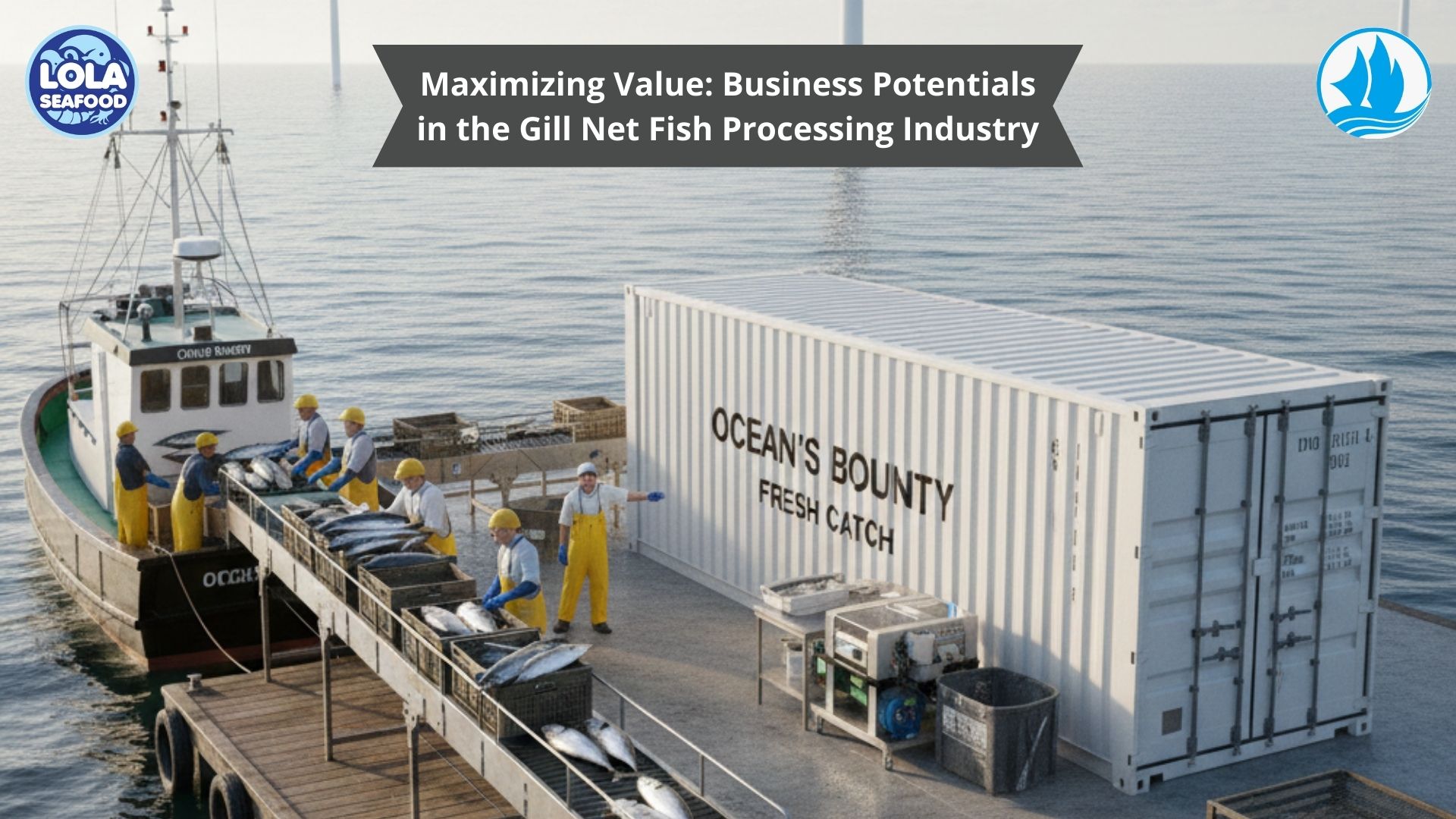
kelolalaut.com The global fishing industry is undergoing a massive transformation. No longer is success defined solely by the volume of the catch; today, the real financial "moats" are built on land, through sophisticated processing and strategic value addition. For operators utilizing gill net fishing—a method known for its selectivity and ability to harvest high-quality surface and mid-water species—the potential to escalate financial value is immense.
By shifting from a "commodity" mindset to a "value-added" strategy, businesses can insulate themselves from volatile market prices and tap into premium consumer segments.
1. The Freshness Premium: Cold Chain Integrity
The financial value of a fish caught by a gill net is highest the moment it leaves the water. However, enzymatic degradation and bacterial growth begin immediately.
- Onboard Processing: Investing in Slurry Ice systems or Quick-Freezing technology on vessels ensures that the texture and flavor of the fish remain "sushi-grade."
- The Financial Impact: High-quality chilled fish can fetch prices 30% to 50% higher than poorly handled counterparts in international markets like Japan or the EU.
2. Specialized Processing: From Whole Fish to Gourmet Cuts
Selling whole fish is a low-margin game. The real profit lies in labor-intensive processing that saves the end-consumer time.
- Filleting and Portioning: Modern processing plants can transform raw gill net catches (like mackerel, tuna, or snapper) into skinless, boneless fillets.
- Modified Atmosphere Packaging (MAP): Using specialized packaging that replaces oxygen with CO2 can extend the shelf life of fresh fish from 4 days to over 10 days, allowing for wider distribution and reduced spoilage losses.
- Value-Added Products: Beyond raw cuts, there is a growing market for "ready-to-cook" items. Marinated fillets, breaded portions, or pre-seasoned fish steaks allow processors to capture the retail margin usually reserved for supermarkets.
3. The "Blue Economy": Zero-Waste Utilization
In traditional processing, up to 50% of the fish (heads, bones, skins, and viscera) is discarded as waste. In a high-value financial model, waste is a misplaced resource.
|
By-product |
Potential Commercial Use |
Target Industry |
|
Fish Skins |
Marine Collagen / Fish Leather |
Cosmetics & Fashion |
|
Fish Bones |
Hydroxyapatite (Calcium) |
Supplements |
|
Viscera |
Fish Silage or Fish Oil |
Agriculture & Pharma |
|
Scales |
Chitin/Chitosan |
Water Treatment & Medical |
By processing these "waste" streams, a facility can turn a disposal cost into a secondary revenue stream, significantly boosting the overall Net Present Value (NPV) of the business.
4. Traceability and Ethical Branding
The modern consumer is willing to pay a premium for a story. Gill net fishing, when managed sustainably, allows for high levels of transparency.
- Digital Traceability: Implementing blockchain-based tracking from the net to the plate ensures the consumer knows exactly where, when, and how their fish was caught.
- Eco-Certification: Achieving certifications such as MSC (Marine Stewardship Council) opens doors to high-end retail chains that refuse to stock uncertified seafood. This "market access" is a powerful driver of long-term financial stability.
5. Leveraging Technology: AI and Automation
To scale value, the industry must move away from purely manual labor.
- AI Sorting: Computer vision systems can now sort fish by size, species, and quality faster and more accurately than humans. This consistency is vital for maintaining "Premium" brand status.
- Data-Driven Fishing: Using historical processing data to guide gill net deployment ensures that the fleet catches what the market actually wants, reducing "overhang" and inventory costs.
If youre interested in our Whiting Fish Whole Round,Barramundi Fillet Skin On,Catfish Fillet Skinless,Cobia Fillet Skinless,Coral Trout Fillet Skin On,Barramundi Whole Round / Whole Gilled Gutted Scaled,Corvina / Croaker / Jew Fish Whole Round / Whole Gilled Gutted Scaled,Black Pomfret Whole Round,Red / Scarlet Snapper Fillet Portion,Parrotfish Fillet Skinless,Baby Octopus Flower please do not hesitate to contact us through email and/or Whatsapp
.jpg)

.jpg)
.jpg)
.jpg)
.jpg)