Seafood Processing Business: Navigating Risk and Maximizing Return Potential
By. Fajar - 27 Jan 2026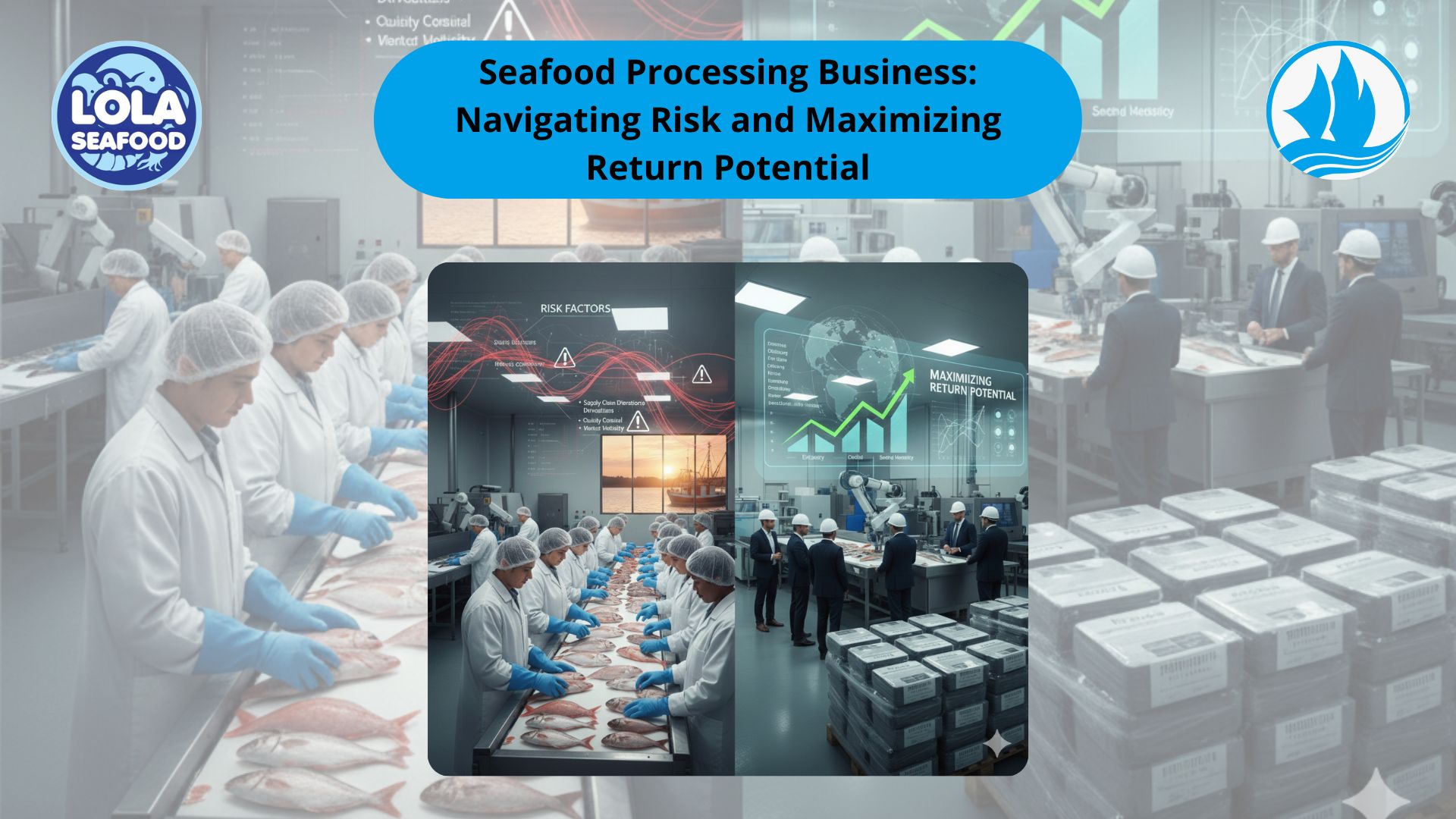
kelolalaut.com The global appetite for seafood is reaching unprecedented levels. As consumers pivot toward high-protein, heart-healthy diets, the seafood processing industry has emerged as a critical link in the global food supply chain. However, operating a seafood processing business is a high-stakes endeavor. It requires a delicate balance between rigorous risk management and the pursuit of high return potential.
The Allure of the Industry: Return Potential
The financial prospects of the seafood processing sector are driven by several macroeconomic and demographic trends.
- Growing Global Demand: With the global population projected to reach nearly 10 billion by 2050, the demand for sustainable protein is soaring. Seafood, both wild-caught and farmed (aquaculture), is positioned as a primary solution.
- Value-Added Products: There is a significant shift from selling whole fish to "value-added" products. This includes pre-marinated fillets, ready-to-eat meals, and specialized cuts. These products command much higher margins and cater to the convenience-oriented modern consumer.
- Technological Efficiency: Advances in automation, such as AI-driven sorting and robotic filleting, allow processors to increase yield and reduce labor costs. Higher yield directly translates to improved bottom-line performance.
- By-product Valorization: Modern processing plants no longer see fish heads, bones, or scales as waste. These are now converted into high-value fish oil, collagen, and animal feed, creating secondary revenue streams that enhance overall profitability.
Navigating the Waters: Core Risks
Despite the upside, the industry is fraught with volatility. A successful operator must identify and mitigate several categories of risk.
1. Supply Chain and Raw Material Risk
The seafood industry is unique because its "raw material" is a biological resource subject to the whims of nature. Overfishing, seasonal migrations, and climate-driven changes in ocean temperatures can lead to sudden supply shortages. For a processor, an empty production line is a massive financial drain.
2. Perishability and Food Safety
Seafood is among the most perishable commodities on earth. The "cold chain"—the continuous refrigerated supply chain—must remain unbroken. A single equipment failure or a delay in logistics can lead to bacterial growth (such as Listeria or Salmonella), resulting in total inventory loss, costly recalls, and irreparable brand damage.
3. Regulatory and Compliance Risk
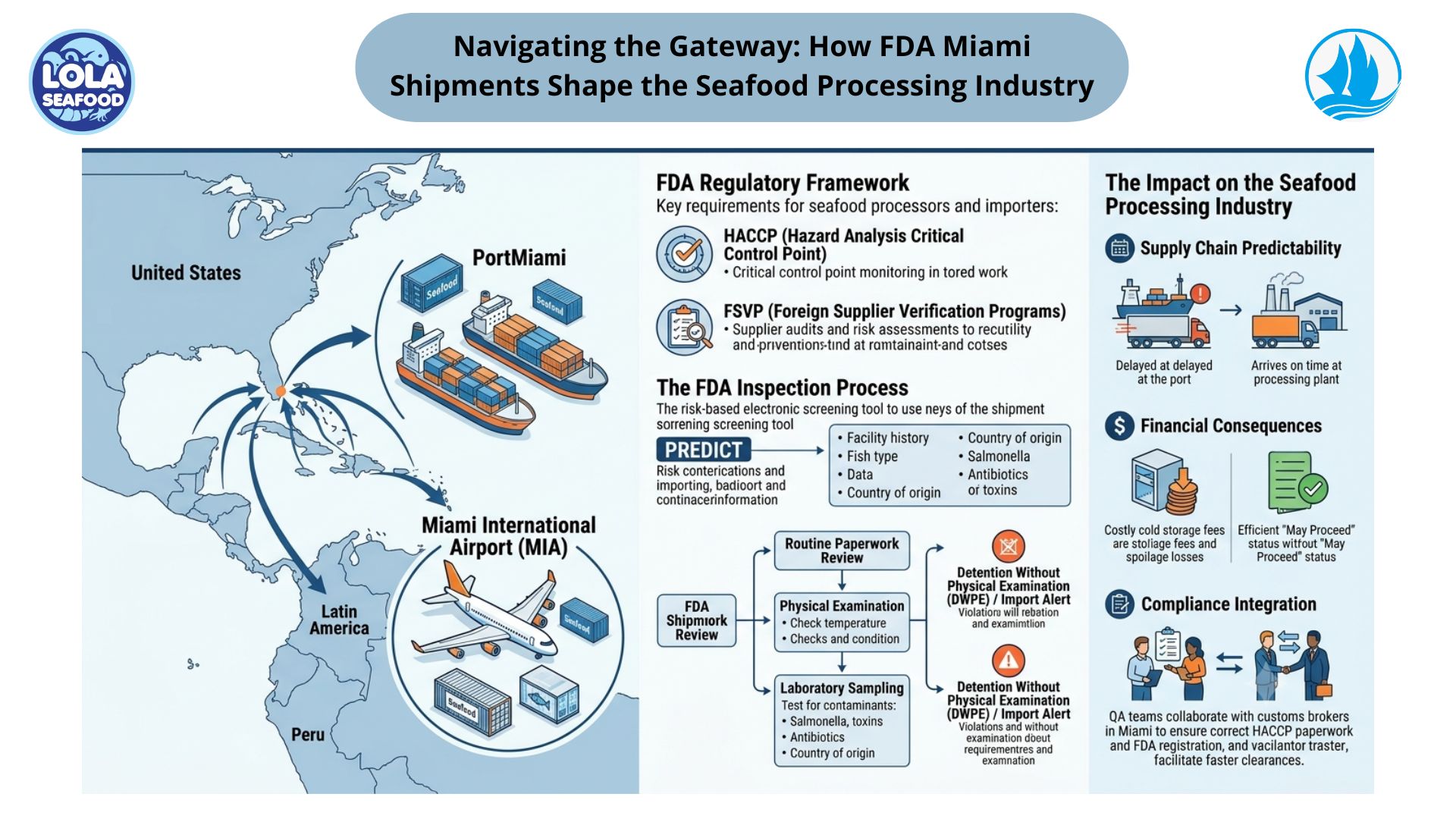
The industry is governed by a complex web of international and local regulations. This includes HACCP (Hazard Analysis and Critical Control Points) certifications, environmental waste standards, and labor laws. Furthermore, as sustainability becomes a consumer priority, failing to prove "traceability" (the ability to track a fish from ocean to plate) can result in being barred from major retail markets.
4. Market Price Volatility
Seafood prices fluctuate wildly based on global trade tensions, fuel costs for fishing fleets, and currency exchange rates. Since processors often operate on thin margins, a sudden spike in the price of raw salmon or shrimp can wipe out annual profits if not hedged correctly.
Risk Management Strategies
To turn these risks into manageable variables, top-tier processing firms employ sophisticated strategies:
- Diversification of Supply: Rather than relying on a single fishery or region, processors source from multiple geographical locations and a mix of wild-caught and aquaculture sources to ensure year-round operations.
- Investment in Cold Chain Technology: Utilizing IoT (Internet of Things) sensors to monitor temperatures in real-time allows managers to intervene before spoilage occurs.
- Vertical Integration: Many successful processors are moving "upstream" by owning their own fishing vessels or aquaculture farms. This provides better control over both quality and cost.
- Rigorous Quality Assurance: Implementing blockchain technology for traceability not only satisfies regulators but also serves as a marketing tool, justifying a premium price for "verified sustainable" seafood.
The Bottom Line: Is It Worth the Risk?
The seafood processing business is not for the faint of heart. It is a capital-intensive industry that requires significant upfront investment in specialized machinery and climate-controlled facilities. However, for those who can master the complexity of the supply chain and maintain impeccable safety standards, the returns are substantial.
The transition toward a circular economy—where every part of the fish is utilized and energy-efficient processing is prioritized—represents the next frontier of profitability. By integrating sustainability into the core business model, processors can mitigate environmental risks while tapping into the growing segment of eco-conscious consumers.
In conclusion, the path to success in seafood processing lies in the transition from a traditional "commodity" mindset to a "tech-driven" approach. Those who can successfully navigate the turbulent waters of biological and market risks stand to reap the rewards of a hungry, health-conscious global market.
.jpg)

.jpg)
.jpg)
.jpg)
.jpg)