The Impact of HACCP-Based Integrated Quality Management Programs on the Quality and Competitiveness of Fresh Demersal Fish Products
By. Puji Widyastuti - 19 Dec 2025.jpg)
kelolalaut.com The global market for fresh seafood, particularly high-value demersal species such as Red Snapper, Grouper, and Haddock, demands uncompromising standards of quality and safety. To navigate complex international trade barriers and meet consumer expectations, fish processing establishments must implement rigorous quality assurance systems. The Hazard Analysis and Critical Control Points (HACCP) system is the global benchmark for food safety. However, when integrated into a comprehensive quality management framework—a HACCP-Based Integrated Quality Management Program (IQMP)—its impact extends far beyond mere safety compliance, fundamentally enhancing the quality and, consequently, the competitiveness of fresh demersal fish products.
Defining the HACCP-Based IQMP
An IQMP is a holistic management approach that fuses the core principles of HACCP (hazard analysis, monitoring, corrective actions) with broader Quality Management System (QMS) elements, such as Good Manufacturing Practices (GMP), Sanitation Standard Operating Procedures (SSOP), Total Quality Management (TQM) philosophies, and robust traceability systems. This integrated system ensures that quality parameters (e.g., freshness, appearance, texture) are controlled alongside safety parameters throughout the entire supply chain, from the fishing vessel to the point of sale.
Impact on Product Quality
The most direct and immediate benefit of an IQMP is the dramatic improvement in the sensory and microbiological quality of fresh demersal fish.
1. Enhanced Freshness and Shelf Life
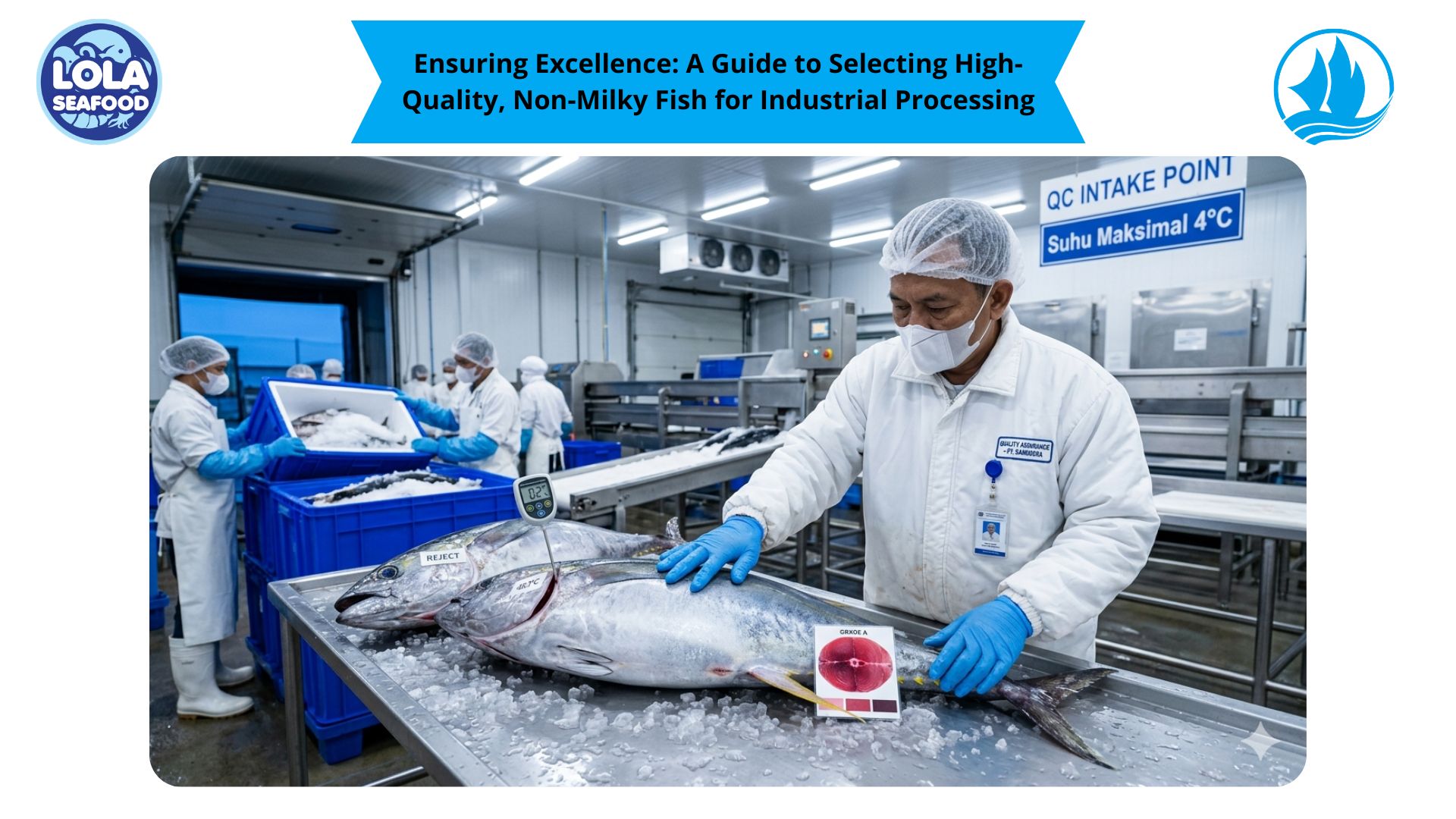
Demersal fish, due to their lean composition, are highly susceptible to rapid spoilage post-harvest. An IQMP enforces stringent controls not only at the processing plant but also upstream. This includes:
- Onboard Handling: Establishing Critical Control Points (CCPs) for rapid chilling and maintaining low temperatures on fishing vessels to mitigate microbial growth and enzymatic degradation (e.g., spoilage caused by psychrotrophic bacteria).
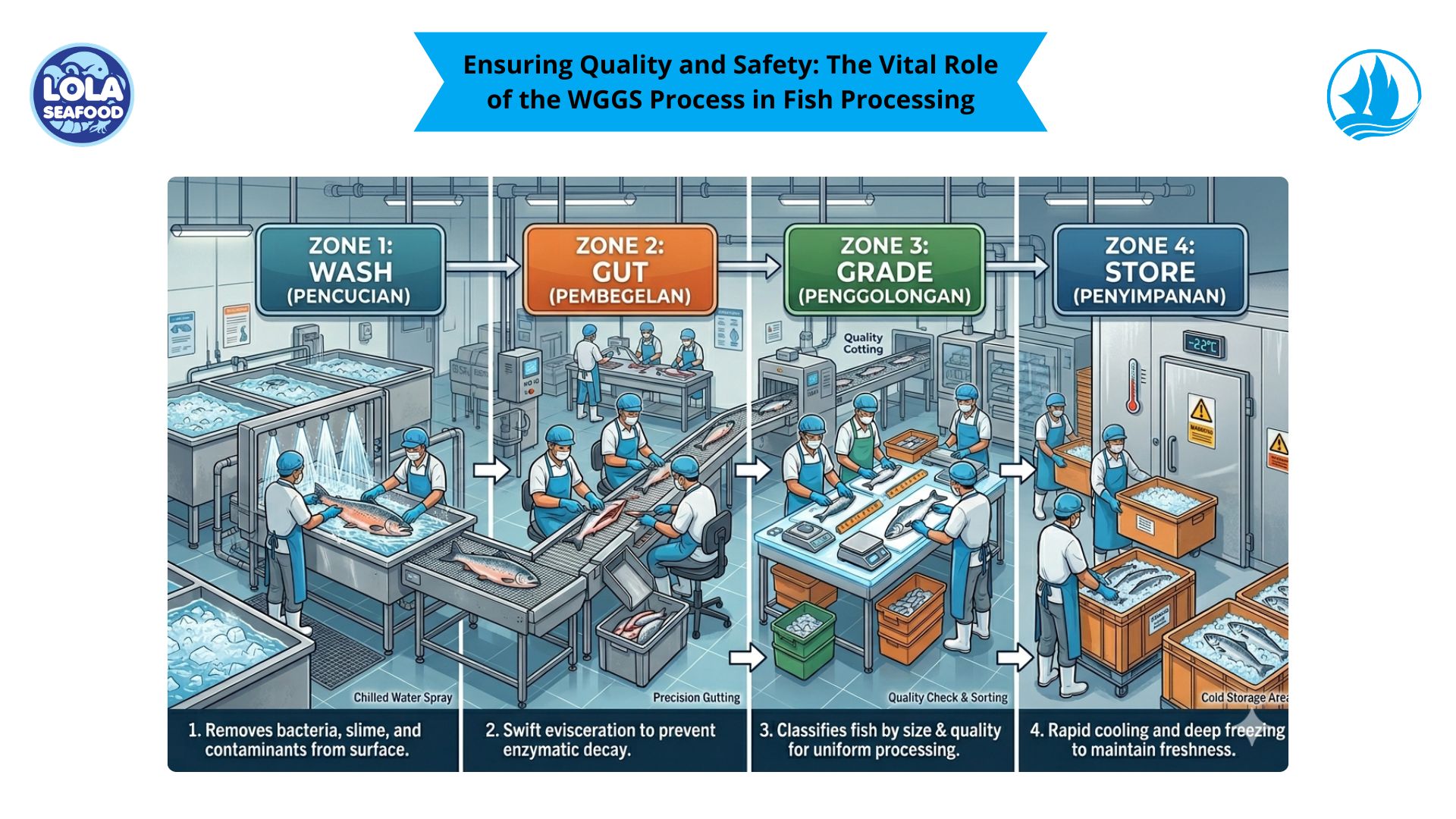
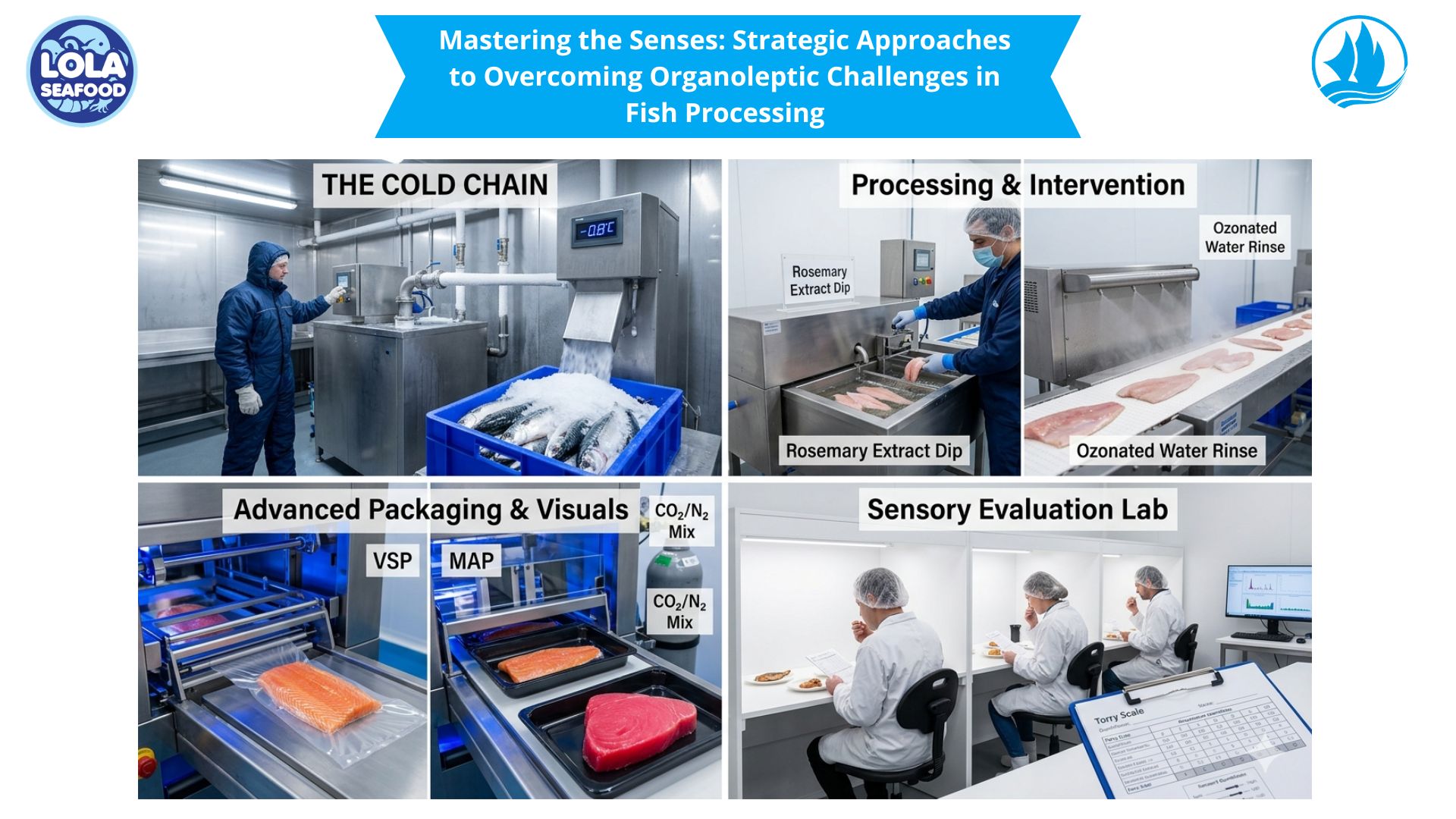
- Process Control: Standardizing cutting, washing, and packaging procedures (via GMP/SSOP) to minimize physical damage and reduce cross-contamination.
By stabilizing temperature and minimizing time-temperature abuse, the IQMP extends the sensory shelf life of the fish, ensuring the product retains its desirable firm texture, clear eye, and bright gill color for longer.
2. Consistency and Reduced Defects
The application of TQM principles within the IQMP framework focuses on continuous improvement and reducing variability. Regular quality audits and standardized documentation ensure that every batch of fresh demersal fish meets the same precise specifications (weight, trim, appearance). This level of consistency minimizes product defects and rejects, translating into higher yield and improved inventory predictability.
3. Traceability and Recall Readiness
A robust IQMP incorporates advanced traceability systems, often mandatory for HACCP compliance. For fresh demersal products, this means that every fillet or whole fish can be traced back to its specific vessel, fishing area, and processing date. This capability is paramount: in the event of a quality deviation or safety incident, the company can conduct a targeted, rapid recall, protecting both public health and the brand's reputation, minimizing financial losses.
Impact on Competitiveness
Improved product quality directly fuels market competitiveness, particularly in lucrative export markets.
1. Market Access and Certification
International markets, especially the European Union (EU) and the United States (FDA), mandate HACCP compliance. The implementation of a certified HACCP-Based IQMP serves as a passport, opening doors to high-value importers who will not deal with non-certified suppliers. Achieving HACCP certification, often supplemented by ISO 22000 or FSSC 22000 (which represent the 'integrated' component), demonstrates a company's superior commitment to safety and quality, providing a significant competitive advantage over non-certified regional suppliers.
2. Enhanced Buyer Trust and Premium Pricing
Major international buyers, including large retailers and food service companies, prioritize suppliers with proven, documented quality management systems. The documentation provided by the IQMP (monitoring logs, deviation records, verification reports) builds deep confidence. This buyer trust allows the supplier of fresh demersal fish to negotiate more favorable, long-term supply contracts and often command a premium price compared to competitors who only meet minimum safety standards.
3. Reduced Business Risk and Insurance Costs
A documented safety track record reduces the risk of product liability claims and public health emergencies. Insurers often recognize certified IQMP adherence as a mitigating factor, potentially leading to lower insurance premiums and legal costs associated with product recalls or foodborne illness outbreaks. This financial stability strengthens the company’s competitive position in the long run.


.jpg)