From Fins to Futures: How Green Finance is Transforming the Shark Trade into Sustainable Fisheries
By. Wiwik Rasmini - 05 Mar 2026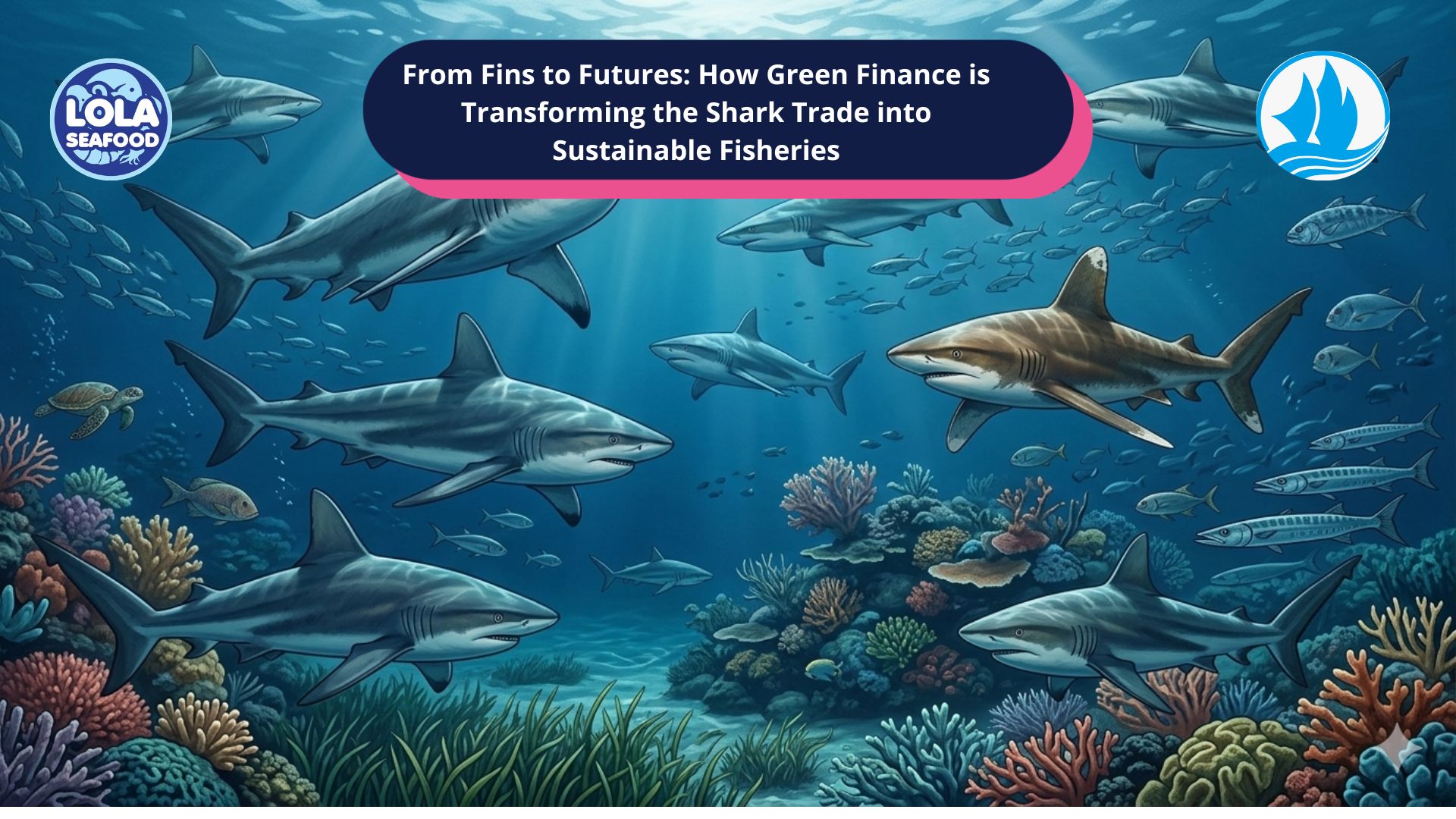
kelolalaut.com For decades, the global narrative surrounding sharks has been dominated by the grim reality of "finning"—a practice driven by high demand for shark fin soup that has pushed many species to the brink of extinction. However, a quiet revolution is taking place on the high seas. Driven by Green Finance, the fishing industry is shifting from exploitative "boom-and-bust" cycles toward a model of long-term ecological and economic stability.
The Economic Paradox of the Shark Trade
Traditionally, sharks were viewed as a high-value commodity for their fins, often leading to overfishing. This created a "tragedy of the commons" where short-term profits decimated the very stocks the industry relied on. Economically, a dead shark provides a one-time payout, but a living shark ecosystem provides continuous value through biodiversity, carbon sequestration, and ecotourism.
The transition to sustainable fisheries is not just an environmental imperative; it is a financial necessity. This is where Green Finance—the use of financial products and services to promote environmentally friendly business practices—steps in to bridge the gap between conservation and commerce.
Mechanisms of Transformation: How Green Finance Works
Green Finance provides the "carrot" to the regulatory "stick." By offering better terms for sustainable operations, it incentivizes fishing companies to change their behavior.
1. Blue Bonds and Impact Investing
Similar to Green Bonds, Blue Bonds are debt instruments specifically designed to fund marine and ocean-based projects. For the shark-related fishing industry, these funds are used to:
- Transition fleets to Selective Gear: Reducing "bycatch" (the accidental capture of sharks in tuna or swordfish nets).
- Implement Real-time Monitoring: Using satellite technology and AI to ensure vessels stay out of protected shark nurseries.
2. Sustainable Linked Loans (SLLs)
In an SLL, the interest rate of a loan is tied to the borrower's performance against predefined Sustainability Performance Targets (SPTs). If a fishing company successfully reduces its shark bycatch by 30% over three years, the bank lowers the interest rate on their equipment loans. This turns conservation into a direct cost-saving measure.
Case Study: From Exploitation to Ecosystem Management
In many coastal regions, former shark-finning hubs are being revitalized through "Blue Economy" grants. Instead of hunting sharks, local communities are being financed to manage Marine Protected Areas (MPAs).
Research shows that sharks act as "carbon sinks." By maintaining the health of seagrass meadows (by keeping turtle and ray populations in check), sharks indirectly help the ocean store vast amounts of carbon. Green Finance allows countries to monetize this carbon storage through Blue Carbon Credits, providing a new stream of income that makes shark conservation more profitable than shark hunting.
The Role of Traceability and Transparency
A major hurdle in the shark trade has been the "laundering" of illegal fins into legal markets. Green Finance initiatives are now funding Blockchain Traceability.
By assigning a digital "passport" to every legally caught fish, financiers can verify that the products they are backing are 100% compliant with CITES (Convention on International Trade in Endangered Species) regulations. Investors are increasingly wary of "reputational risk"; they don't want to be linked to illegal finning. Consequently, capital is flowing away from "dark" fleets and toward transparent, sustainable operators.
"The goal is not to stop fishing, but to finance fishing that respects the biological limits of our oceans." — Sustainable Fisheries Initiative.
Challenges and the Path Forward
While the momentum is positive, challenges remain:
- Data Gaps: Small-scale fisheries often lack the data required to qualify for green loans.
- High Initial Costs: Moving from traditional nets to "shark-safe" hooks requires significant upfront capital.
- Market Pressure: As long as there is a black market for fins, the temptation to bypass sustainable practices remains.
To overcome this, Green Finance must be inclusive. It shouldn't just be for the "big players." Micro-financing for artisanal fishers is essential to ensure that local communities aren't left behind in the shift to a green economy.
If youre interested in our Whiting Fish Whole Round,Barramundi Fillet Skin On,Catfish Fillet Skinless,Cobia Fillet Skinless,Coral Trout Fillet Skin On,Barramundi Whole Round / Whole Gilled Gutted Scaled,Corvina / Croaker / Jew Fish Whole Round / Whole Gilled Gutted Scaled,Black Pomfret Whole Round,Red / Scarlet Snapper Fillet Portion,Parrotfish Fillet Skinless,Baby Octopus Flower please do not hesitate to contact us through email and/or Whatsapp
 Standards in Modern Seafood Processing.jpg)

.jpg)