How Local Fish Processing Factories Can Expand Their Market Reach
By. Nugroho Luhur - 17 Jun 2026.jpg)
kelolalaut.com The global seafood market is experiencing unprecedented growth, driven by a rising worldwide demand for healthy, protein-rich diets. For local fish processing factories, this presents a golden opportunity to transition from small-scale regional suppliers into competitive players on a larger stage. However, scaling up operations and penetrating new markets requires more than just catching and freezing fish. It demands a strategic overhaul of quality standards, supply chain efficiency, digital adoption, and brand positioning.
To successfully expand their market reach, local fish processing facilities must look beyond their immediate geographical borders and implement comprehensive growth strategies.
1. Elevating Quality Standards and Securing International Certifications
The absolute first step to entering broader markets—especially international ones—is compliance with global food safety standards. Local markets might operate on trust and traditional relationships, but national and global supply chains rely strictly on certifications.
Factories must invest heavily in modernizing their facilities to meet rigorous benchmarks. Key certifications include:
- HACCP (Hazard Analysis Critical Control Point): The foundational global standard for food safety.
- ISO 22000: Specifying requirements for a food safety management system.
- MSC (Marine Stewardship Council) & BRCGS (British Retail Consortium Global Standards): Highly respected certifications that open doors to premium supermarket chains in Europe and North America.
Implementing these standards guarantees that the product is safe, traceable, and sustainably sourced. This not only mitigates the risk of costly product recalls but also builds immediate credibility with high-value B2B buyers who refuse to compromise on quality.
2. Investing in Advanced Cold Chain Technology
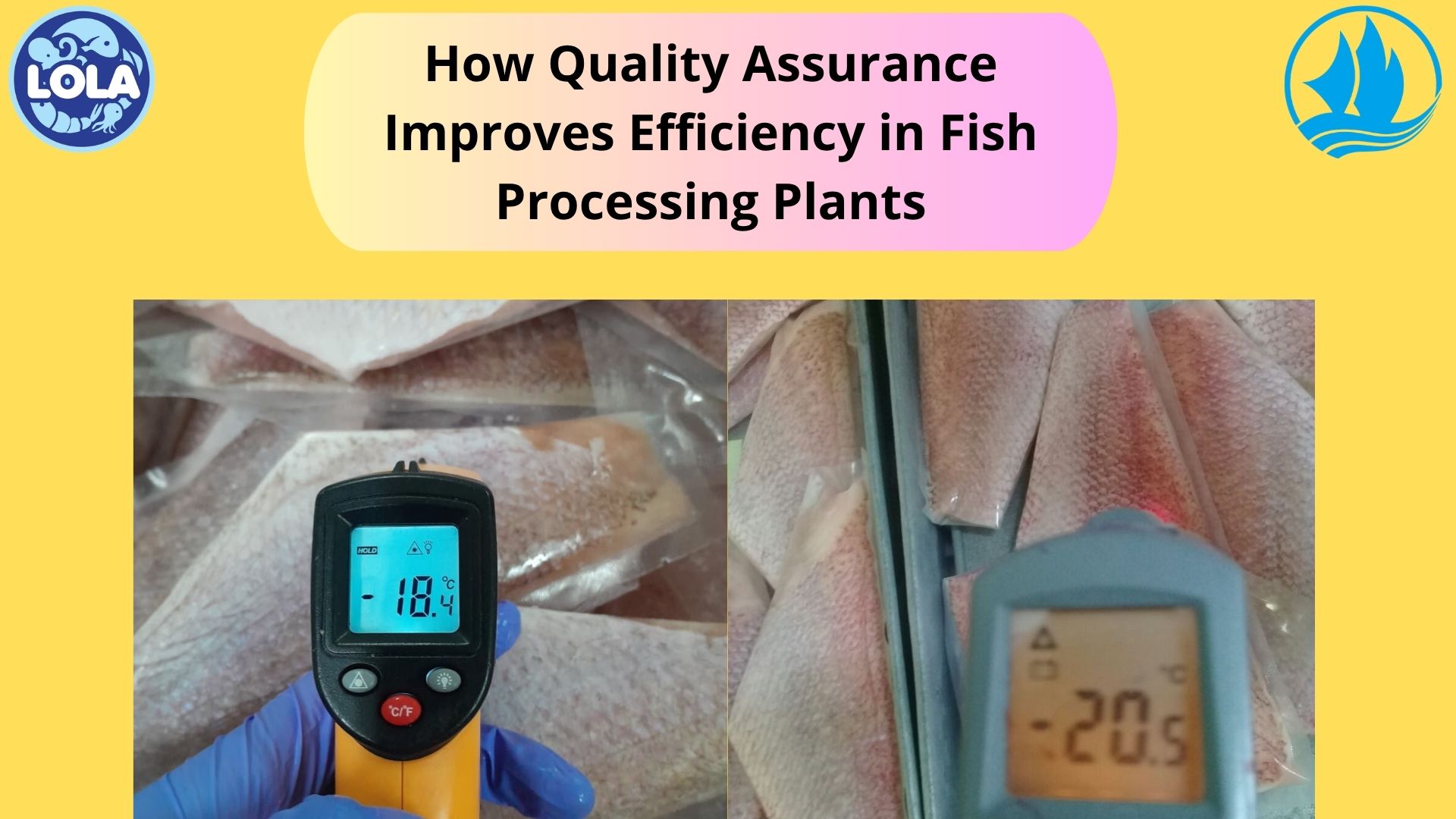
Fish is an incredibly perishable commodity. The geographical reach of a fish processing factory is fundamentally limited by the strength of its cold chain. To expand your market, you must ensure that your product maintains its texture, flavor, and nutritional value over long distances.
Upgrading to advanced freezing technologies, such as Individual Quick Freezing (IQF) or Ultra-Low Temperature (ULT) flash freezing, allows factories to lock in freshness immediately after processing. Furthermore, investing in smart logistics—such as refrigerated container trucks equipped with real-time temperature tracking IoT sensors—ensures that the cold chain remains unbroken from the factory dock to the final destination port. When buyers know they can rely on consistent product integrity, market expansion follows naturally.
3. Diversifying the Product Portfolio (Value-Added Products)
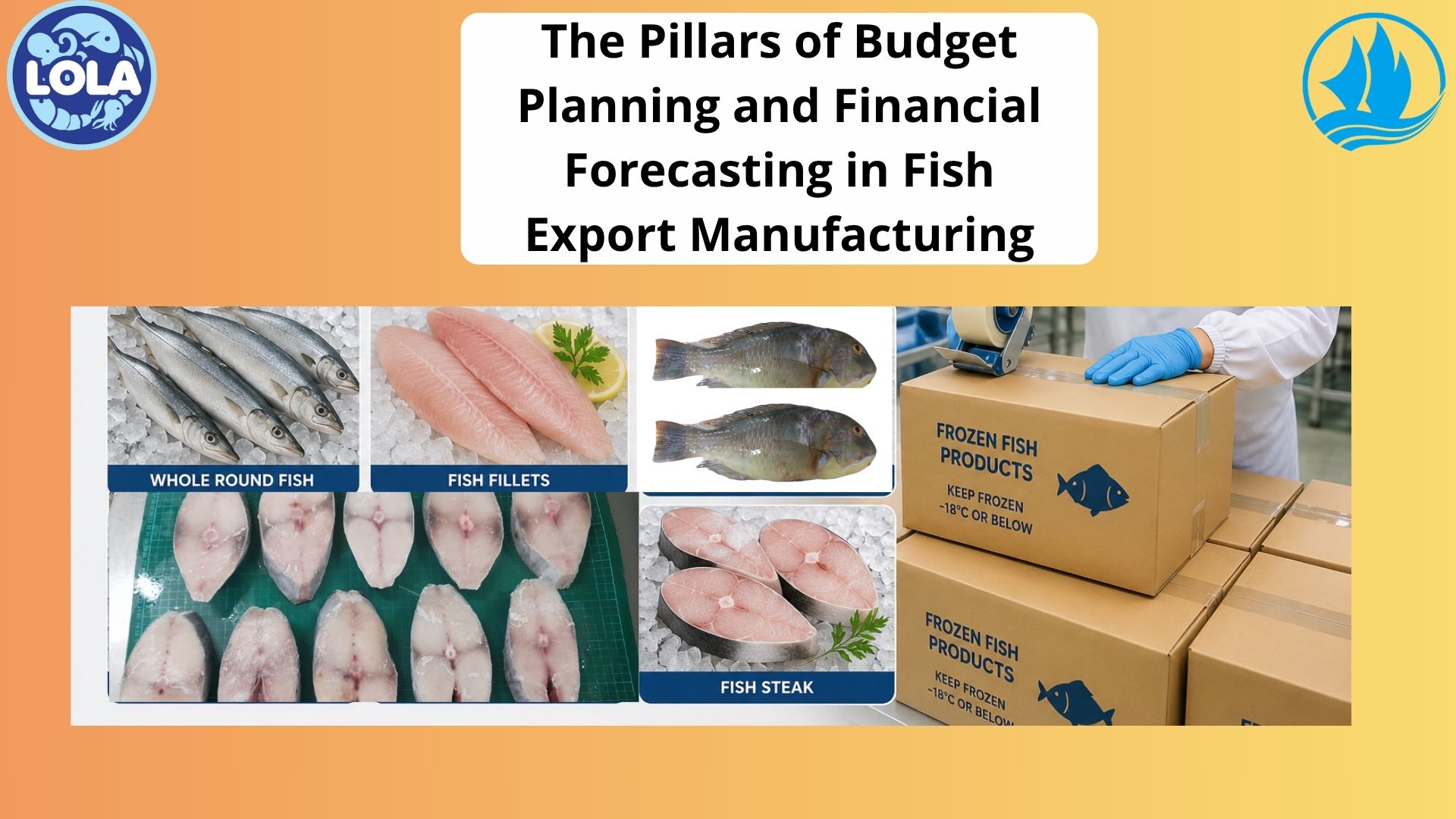
Selling raw, whole, or basic frozen fish limits a factory’s profit margins and pits them against massive, low-cost commodity competitors. To stand out and capture new demographics, local factories should diversify into value-added seafood products.
Instead of just exporting raw fillets, consider manufacturing ready-to-cook meals, pre-seasoned fish portions, fish sausages, or high-quality canned seafood. Value-added products have a longer shelf life, are easier to transport, and appeal directly to modern, busy consumers looking for convenience. This strategy allows local factories to enter retail grocery spaces rather than just supplying wholesale fish markets.
4. Harnessing B2B Digital Marketplaces and E-Commerce
The traditional seafood trade relied heavily on complex networks of brokers and middlemen, which often ate into local factories' margins. Today, digital transformation offers a direct route to global buyers.
Local factories should establish a powerful digital presence by leveraging B2B e-commerce platforms like Alibaba, Tridge, or seafood-specific marketplaces. A professional website showcasing the factory’s processing capacity, hygiene standards, and certification badges acts as a 24/7 digital storefront. By engaging in targeted digital marketing and search engine optimization (SEO), a local factory in a remote coastal town can easily catch the attention of a sourcing manager across the globe.
5. Embracing Traceability and Sustainability Marketing
Modern consumers and corporate buyers are highly conscious of environmental impacts. They want to know exactly where their seafood comes from, how it was caught, and if the local community was treated fairly.
Local fish processing factories can turn their size into an advantage by marketing their authenticity and traceability. Utilizing blockchain technology or QR codes on packaging that allow consumers to trace the fish back to the specific vessel or fishing community creates a powerful narrative. Sustainable fishing practices and ethical labor stories resonate deeply in premium markets, allowing local factories to command higher prices.
If youre interested in our Sweetlips Whole Round / Whole Gilled Gutted Scaled,White Snapper / Robinson Sea Bream Fillet Skin On,White Snapper / Robinson Seabream / Seabream Whole Round / Whole Gilled Gutted Scaled,Cuttlefish Fillet.Cuttlefish Pineapple Cut,Cuttlefish Whole Cleaned,Cuttlefish Whole Round,Emperor Fillet Skin On,Emperor Fillet Skinless,Emperor Grass Whole Round / Whole Gilled Gutted Scaled,Emperor Red Spot Whole Round / Whole Gilled Gutted Scaled,Emperor Whole Round / Whole Gilled Gutted Scaled,Giant Trevalley Fillet Skin On,Giant Trevalley Whole Round,Goldband / Crimson Snapper Fillet Portion Cut,Goldband / Crimson Snapper Fillet Skin On,Goldband / Crimson Snapper Whole Round / Whole Gilled Gutted Scaled,Grouper Black Dotted Whole Round,Grouper Fillet Portion Cut,Grouper Fillet Skinless,Gummy Shark Fillet,Halibut Fillet Skinless.Indian Mackerel Whole Round / Whole Gilled Gutted,Itoyori / Golden Threadfin Fillet Butterfly,Mahi-Mahi Fillet Skinless,Octopus Leg,Parrotfish Fillet Skin On please do not hesitate to contact us through email and/or Whatsappp
.jpg)
.jpg)

.jpg)
.jpg)