How Processing Plants Can Strategically Drive Local Distribution of Fish Heads
By. Nugroho Luhur - 11 Jun 2026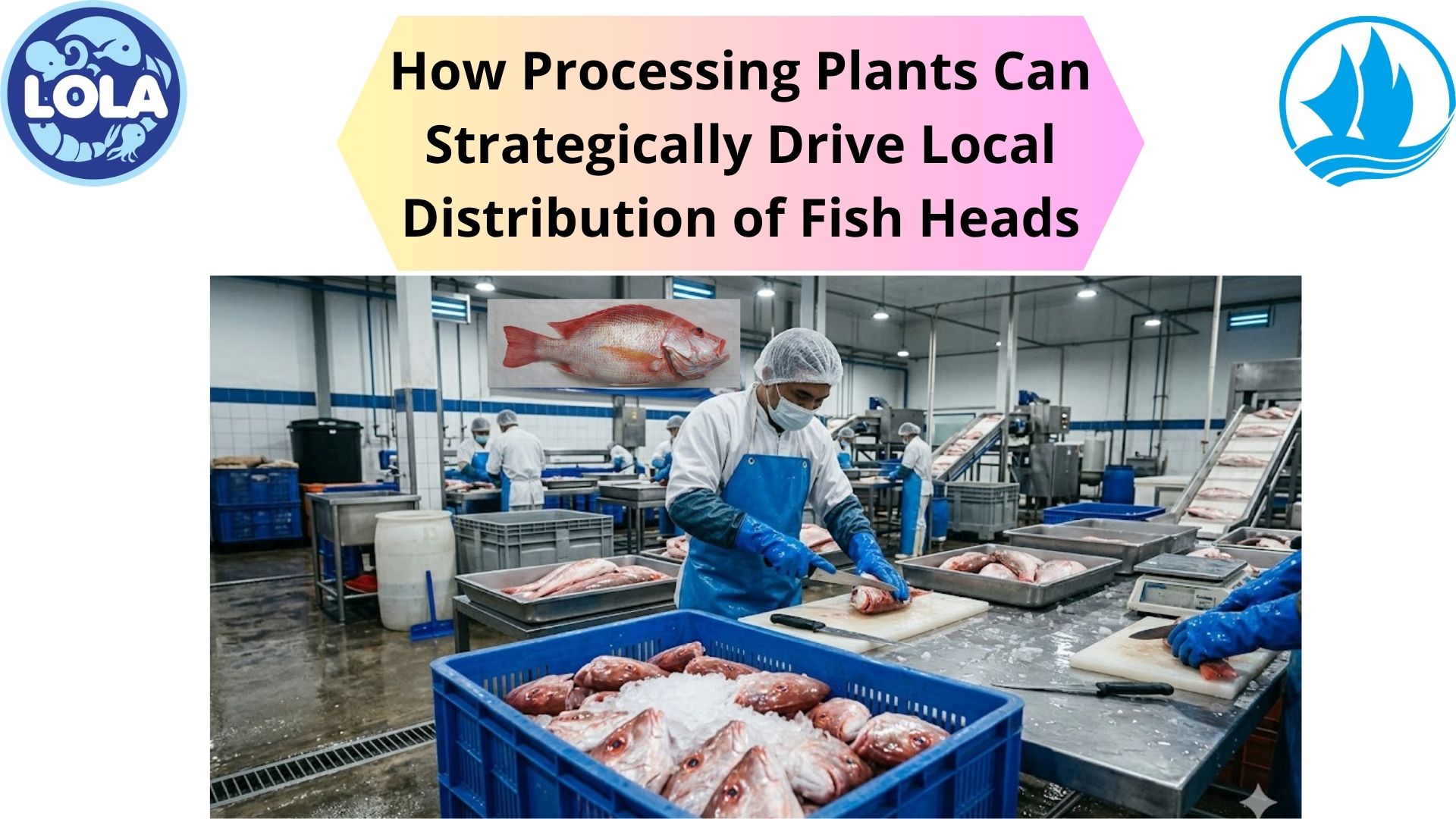
kelolalaut.com In the global seafood processing industry, optimization of secondary products has transitioned from an environmental obligation to a core commercial strategy. Historically, fish heads were frequently classified as industrial waste or low-value manufacturing by-products, destined for processing into fishmeal or animal feed. However, changing consumer demographics, economic shifts, and a heightened emphasis on zero-waste manufacturing have altered this paradigm. For modern seafood processing plants, driving the strategic local distribution of fish heads represents a lucrative, untapped revenue stream that simultaneously fosters regional food security and strengthens community relationships.
1. Identifying and Segmenting the Local Market
The baseline requirement for a successful local distribution model is rigorous market segmentation. Fish heads are a highly prized culinary ingredient in many traditional, Asian, African, and indigenous cuisines, favored for their rich flavor profiles in soups, stews, and curries. Processing plants must map their local urban and suburban demographics to locate ethnic grocery hubs, traditional wet markets, and specialized seafood restaurants. By identifying these high-demand micro-markets within a reasonable logistics radius, plants can transition from bulk dumping to targeted commercial sales that command higher margins per unit.
2. Establishing Strict Cold Chain Protocols for By-Products
To successfully capture the value of fish heads locally, processing facilities must treat them with the exact same rigorous hygiene and temperature controls applied to premium fillets. If fish heads are allowed to deteriorate on the processing floor before packaging, their shelf life drops precipitously, rendering local distribution impossible. Implementing automated sorting lines that immediately wash, chill, and crate fish heads guarantees structural and sensory integrity. Maintaining an uninterrupted cold chain from the factory floor to regional delivery trucks ensures that local vendors receive a product that is safe, visually appealing, and highly marketable.
3. Developing B2B Micro-Logistics Networks
Large-scale processing plants are traditionally engineered for macro-logistics—moving multi-ton shipping containers across international borders. Local distribution requires a structural pivot toward micro-logistics. Plants can drive local distribution by partnering with regional cold-chain couriers or establishing an internal fleet of smaller refrigerated vans. Designing predictable, routine delivery routes to local wholesale markets and restaurant supply hubs ensures consistency. Providing flexible minimum order quantities (MOQs) encourages smaller local businesses to source directly from the plant, removing expensive middlemen from the supply chain.
4. Value-Added Packaging for Local Retailers
Selling loose, unpackaged fish heads in bulk bins restricts market reach to basic wholesale channels. To penetrate mainstream local supermarkets and high-end grocery outlets, processing plants should invest in value-added packaging. Utilizing vacuum-sealed individual packaging, clear modified atmosphere packaging (MAP) trays, or blast-frozen retail packs significantly boosts consumer appeal. Clear labeling that highlights processing dates, species, traceability, and even simple culinary suggestions transforms a basic industrial by-product into a structured consumer-facing product line.
5. Fostering Community and Sustainability Partnerships
Strategically driving local distribution also yields substantial corporate social responsibility (CSR) benefits. Processing plants can establish partnerships with local culinary schools, food banks, and regional sustainability initiatives to educate the public on the nutritional benefits of fish heads, which are exceptionally high in omega-3 fatty acids and micronutrients. Creating a narrative around "zero-waste seafood" resonates strongly with modern eco-conscious consumers. This hyper-local engagement not only builds a loyal domestic consumer base but also elevates the processing plant's institutional reputation within the community.
If youre interested in our Whiting Fish Whole Round,Barramundi Fillet Skin On,Catfish Fillet Skinless,Cobia Fillet Skinless,Coral Trout Fillet Skin On,Barramundi Whole Round / Whole Gilled Gutted Scaled,Corvina / Croaker / Jew Fish Whole Round / Whole Gilled Gutted Scaled,Black Pomfret Whole Round,Red / Scarlet Snapper Fillet Portion,Parrotfish Fillet Skinless,Baby Octopus Flower,Bonito Fillet Portion Cut,Catfish Fillet Skinless,Coral Trout Fillet Skinless,Baby Octopus Flower Baby Octopus Whole Cleaned Baby Octopus Whole Round Barramundi Fillet Portion Cut Black Pomfret Portion Cut Bonito Whole Round Catfish Steak Catfish Fillet Skinless Catfish Steak Baby Octopus Whole Cleaned Catfish Fillet Skinless Barramundi Fillet Skinless Black Pomfret Portion Cut Bonito Whole Round Corvina / Croaker / Jewfish Fillet Skin On Red / Scarlet Snapper Fillet Portion please do not hesitate to contact us through email and/or Whatsappp
.jpg)
.jpg)

.jpg)
.jpg)
.jpg)