The Dominance of Demersal Fish: The Strategic Export Potential of Indonesia’s Grouper and Parrotfish
By. Lutfi - 07 Jan 2026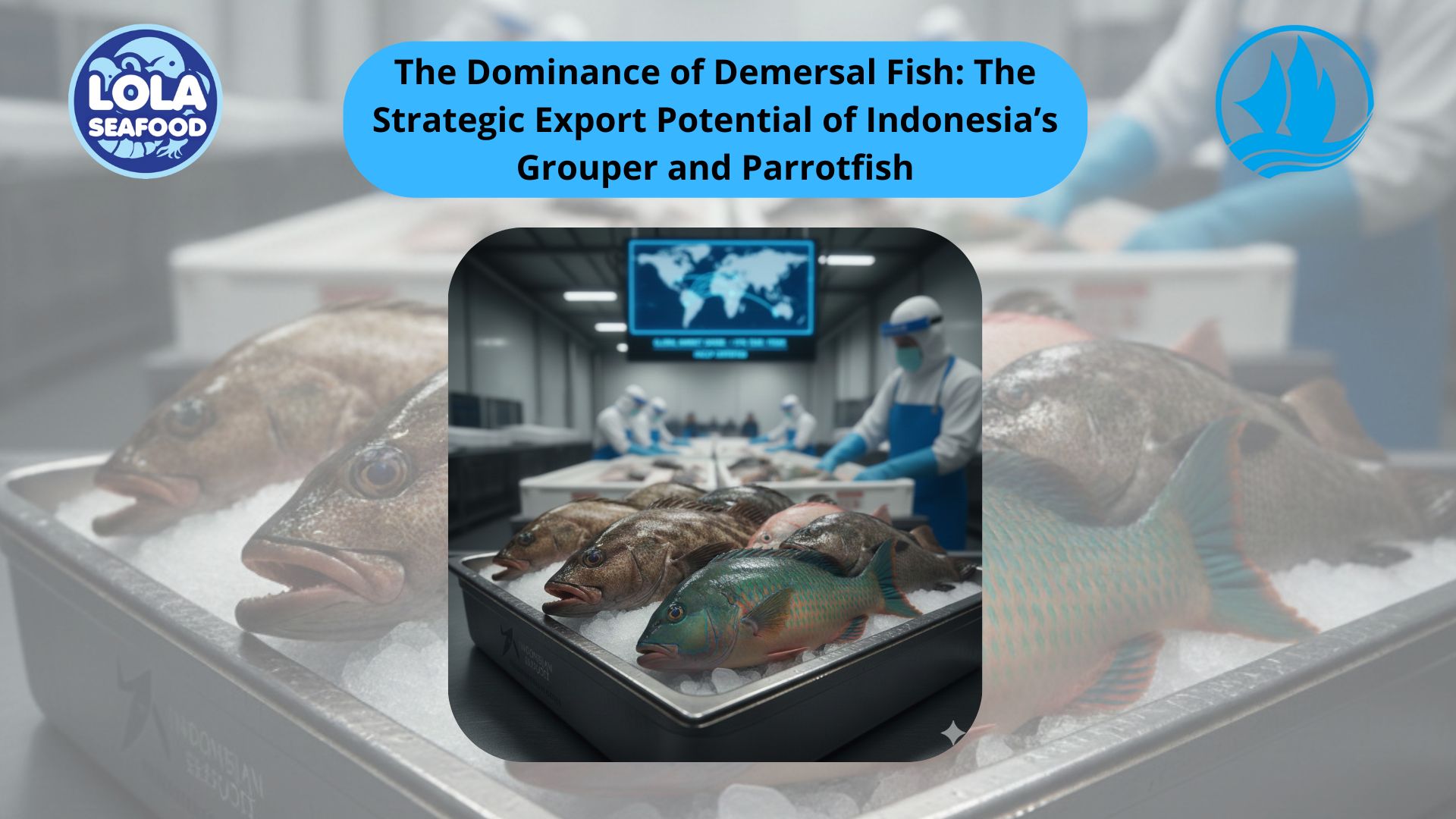
kelolalaut.com Indonesia, the world’s largest archipelagic nation, sits at the heart of the Coral Triangle, boasting marine biodiversity that is arguably the richest on the planet. While tuna and shrimp have historically dominated the nation's fishery exports, a new powerhouse is emerging from the ocean floor: demersal fish. Living and feeding near the seabed or within coral reef systems, species such as Grouper (Kerapu) and Parrotfish (Kakak Tua) are becoming pivotal assets in Indonesia’s quest to lead the global seafood market.
The Grouper: A High-Value Crown Jewel
The Grouper is the undisputed "aristocrat" of the demersal category. In East Asian markets—particularly Hong Kong, Mainland China, and Singapore—the demand for Grouper is insatiable. Its firm texture and delicate flavor make it a staple in high-end culinary traditions.
What makes Grouper strategically significant is its value as a Live Reef Food Fish (LRFF). Unlike many other species that are traded frozen, Grouper fetches a premium price when delivered alive. Indonesia has a competitive advantage here due to its vast natural habitats and its rapidly advancing aquaculture sector. By shifting from wild-capture to sustainable farming—such as the cultivation of Hybrid Cantang Grouper—Indonesia can ensure a consistent year-round supply that meets international phytosanitary standards without depleting wild stocks. This transition is crucial for long-term economic stability, as it transforms a seasonal resource into a predictable industrial output.
The Parrotfish: An Emerging Exotic Commodity
While Groupers are established icons, the Parrotfish is gaining traction as an exotic alternative in Western markets, including the United States and parts of Europe. Known for their vibrant colors and unique role in the ecosystem, Parrotfish offer a flaky, sweet white meat that appeals to health-conscious consumers seeking sustainable protein sources.
However, the strategic export of Parrotfish comes with a complex ecological narrative. Parrotfish are often called "the cleaners of the reef" because they graze on algae that would otherwise smother coral polyps. As Indonesia looks to capitalize on the rising demand for this species, it must adopt a "Blue Economy" approach. This involves strict quotas, size limits, and the promotion of artisanal fishing methods that prevent overfishing. By branding Indonesian Parrotfish as a "responsibly sourced" luxury item, the country can command higher prices while positioning itself as a leader in marine conservation.
Overcoming Logistical and Quality Barriers
To maintain dominance in the demersal sector, Indonesia must address the logistical "cold chain" challenges. For live Grouper, the survival rate during air or sea transit is the primary factor determining profitability. Investment in advanced life-support systems for transport and the modernization of ports in Eastern Indonesia (the heart of demersal territory) are essential.
Furthermore, global markets are increasingly demanding traceability. International buyers want to know exactly where a fish was caught and whether the process was ethical. Indonesia’s implementation of the Integrated Fish Quality and Safety Management System is a step in the right direction. By leveraging blockchain or digital tracking, Indonesia can provide the transparency required to penetrate the most stringent European and American markets.
The Path to Downstream Industry (Hilirisasi)
The next frontier for Indonesia’s demersal industry is downstream processing. Exporting raw, unprocessed fish captures only a fraction of the potential value. By developing domestic processing facilities for value-added products—such as vacuum-packed fillets, ready-to-cook portions, and collagen extraction from fish scales—Indonesia can create jobs and significantly increase its foreign exchange earnings.
This "downstreaming" strategy ensures that the economic benefits of Indonesia’s maritime wealth stay within the country. It turns a traditional fishing activity into a sophisticated bio-based industry that can weather the fluctuations of global commodity prices.
A Sustainable Economic Future
The strategic potential of Grouper and Parrotfish lies in their ability to bridge the gap between economic growth and environmental stewardship. Indonesia is no longer just a source of raw materials; it is becoming a sophisticated supplier of premium, sustainable seafood.
By focusing on aquaculture innovation for Groupers and strictly managed artisanal harvests for Parrotfish, Indonesia can secure its position as a global maritime power. The dominance of demersal fish is not just about the volume of exports—it is about the intelligent management of a biological treasure that, if handled correctly, will provide for generations to come.




.jpg)
.jpg)
.jpg)