The Correlation Between Occupational Health and Safety (OHS) and Employee Productivity on the Demersal Fish Processing Floor
By. Sofie Thoriq - 18 Dec 2025 and Employee Productivity on the Demersal Fish Processing Floor.jpg)
kelolalaut.com The demersal fish processing industry, which handles species like Snapper, Grouper, and Cod, operates under demanding conditions characterized by low temperatures, wet surfaces, continuous handling of sharp tools, and repetitive motion tasks. These inherent operational risks necessitate strict adherence to Occupational Health and Safety (OHS) standards. While OHS compliance is often viewed primarily as a cost center—an expenditure required for regulatory conformance—a deeper analysis reveals a strong, positive correlation between robust OHS programs and improved employee productivity. This article analyzes the crucial link between ensuring a safe and healthy work environment and maximizing output efficiency on the demersal fish processing floor.
The Operational Environment and Associated OHS Risks
The processing of demersal fish typically takes place in large, high-volume production areas that are kept cold to maintain product quality. The primary OHS risks in this environment include:
- Ergonomic Hazards: Repetitive tasks, such as filleting and trimming, can lead to Musculoskeletal Disorders (MSDs), including Carpal Tunnel Syndrome and tendinitis, significantly reducing an employee’s effective working time and speed.
- Physical Hazards: Wet and greasy floors pose serious slip-and-fall risks, resulting in injuries that cause lost workdays. The continuous use of knives and machinery also heightens the risk of lacerations and amputations.
- Chemical and Biological Hazards: Exposure to cleaning chemicals, ammonia (from refrigeration systems), and biological contaminants can lead to respiratory issues, dermatitis, and other illnesses.
When these risks are neglected, the result is higher rates of accidents and illnesses, which directly and indirectly erode workforce productivity.
Direct Impact of OHS on Productivity Metrics
A weak OHS system directly impacts productivity through measurable metrics:
1. Reduced Lost Time Incident Rate (LTIR)
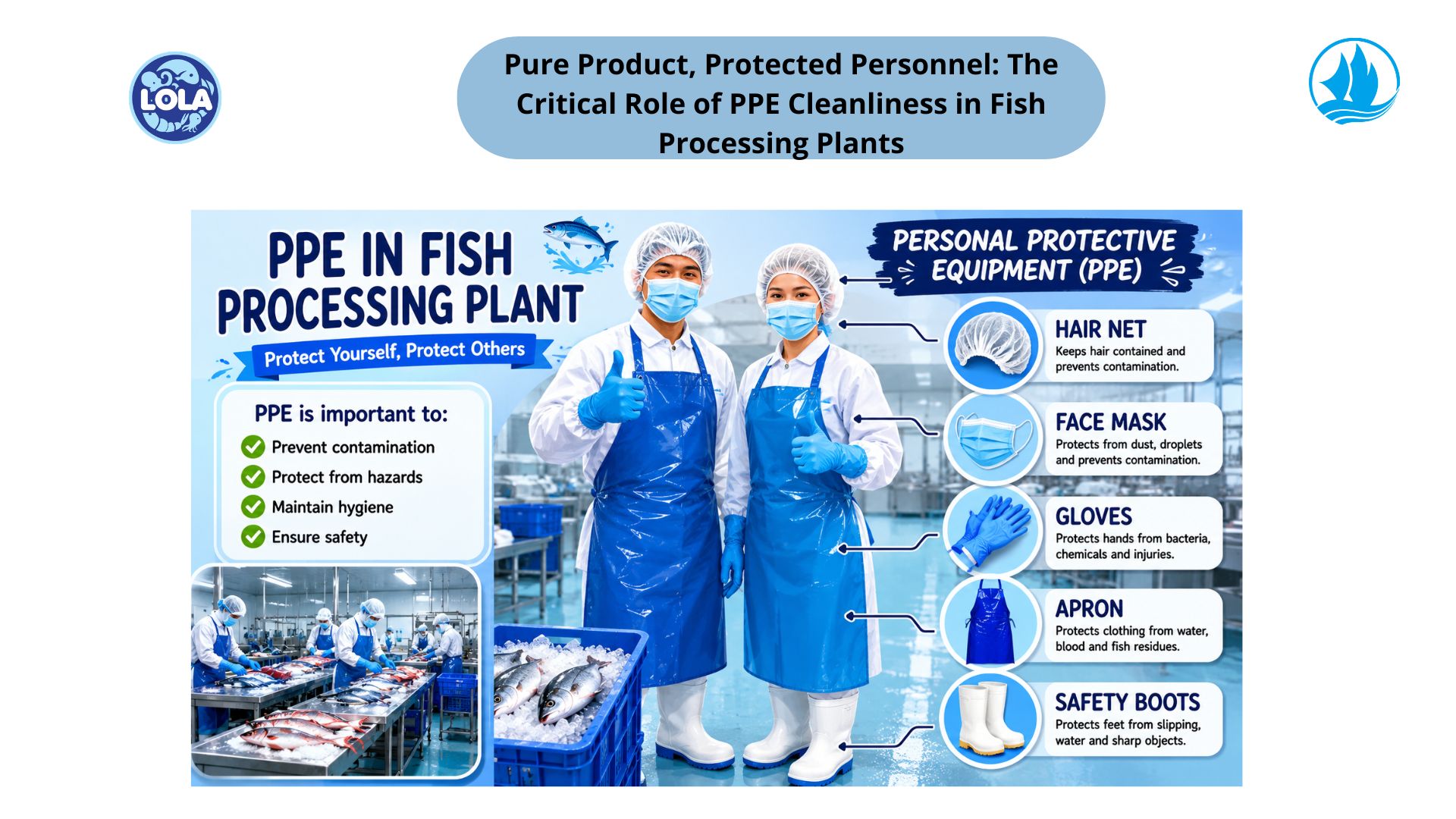
Lost Time Incidents (LTIs)—accidents resulting in an employee being unable to return to work immediately—cause significant delays. A strong OHS program, featuring well-maintained Personal Protective Equipment (PPE), mandatory anti-slip footwear, and safety training, drastically lowers the LTIR. When fewer employees are injured, the required staffing levels are maintained, ensuring a consistent production flow without unplanned interruptions or the need for expensive overtime to compensate for absent workers.
2. Lower Absenteeism and Presenteeism
Effective OHS measures, particularly in occupational health surveillance and ergonomic interventions (e.g., adjustable workstations, rotating tasks), reduce chronic health issues. This leads to lower absenteeism. Equally important is reducing presenteeism—the state of being at work but underperforming due to injury or illness. An employee suffering from a wrist injury due to poor ergonomics, for example, will work slower and make more mistakes than a healthy counterpart, directly decreasing their output efficiency and potentially jeopardizing product quality.
Indirect and Cultural Impact on Productivity
Beyond direct measurable impacts, a commitment to OHS profoundly influences the organizational culture, which indirectly boosts productivity:
1. Increased Employee Morale and Engagement
When a company invests visibly in safety—providing high-quality PPE, maintaining machinery, and responding quickly to safety concerns—employees feel valued. A safe workplace demonstrates that the management prioritizes human well-being over sheer profit maximization. This sense of psychological safety translates into higher job satisfaction, stronger organizational commitment, and increased engagement, leading employees to be more motivated, focused, and productive during their shifts.
2. Enhanced Quality and Reduced Rework
Rushed work or work performed by injured, fatigued employees often results in product defects, such as poorly trimmed fillets or contamination. A strong OHS culture emphasizes attention to detail and adherence to safe, standardized procedures. When employees are less stressed by the risk of injury, they can focus better on the precision tasks required in demersal fish processing, leading to fewer errors, less material waste, and reduced time spent on rework. This alignment of safety and quality control streamlines the entire production pipeline.
The Cost-Benefit Analysis
While initial OHS investments—such as implementing machine guarding, purchasing ergonomic tools, and conducting extensive training—incur costs, the Return on Investment (ROI) is significant. For an individual fish processing plant, the avoided costs of litigation, high insurance premiums, lost production time, and recruitment/training of replacements far outweigh the cost of prevention. A safe workplace is thus an efficiently run workplace.
Conclusion
The connection between Occupational Health and Safety (OHS) and employee productivity on the demersal fish processing floor is undeniable and mutually reinforcing. OHS is not merely a legal requirement; it is a fundamental business strategy. By mitigating physical and ergonomic hazards, the industry successfully reduces lost workdays and presenteeism. By fostering a culture of safety, companies boost employee morale, engagement, and focus, resulting in higher quality output and reduced waste. Ultimately, prioritizing the health and safety of the workforce transforms the processing floor into a more consistent, reliable, and highly productive operational environment, securing the company's long-term sustainability and competitiveness.
.jpg)
.jpg)
.jpg)
.jpg)

.jpg)