How to Boost Efficiency and Productivity in the Fishing Industry
By. Kusni - 05 Jun 2026.jpg)
kelolalaut.com The global seafood industry is facing unprecedented challenges. With rising operational costs, fluctuating market demands, and strict sustainability regulations, fisheries and aquaculture businesses can no longer rely solely on increasing their catch or expanding their farm sizes. Instead, the key to long-term profitability lies in maximizing the efficiency of existing resources.
Enhancing production productivity in the fishing industry is not just about catching or processing more fish—it is about smart resource management, waste reduction, and the adoption of modern technology. Here are several actionable strategies to elevate productivity across the fisheries supply chain, from harvest to processing.
1. Adopt Precision Aquaculture and Smart Fishing Technology
The integration of technology, often referred to as "Fisheries 4.0," is a game-changer for production efficiency. Relying on traditional guesswork leads to wasted time, fuel, and feed.
- For Wild Fisheries (Capture): Equipping vessels with advanced sonar, satellite imaging, and AI-driven predictive mapping allows captains to locate fish schools precisely. This drastically reduces scouting time, optimizes fuel consumption, and increases the catch per unit effort (CPUE).
- For Aquaculture (Fish Farming): Feed accounts for up to 60% of aquaculture operational costs. Implementing automated feeders integrated with IoT sensors and underwater cameras ensures that fish are fed precisely when they are hungry. This minimizes feed waste, prevents water pollution, and accelerates fish growth rates.
2. Optimize the Cold Chain and Post-Harvest Handling
In the fishing industry, productivity is heavily tied to product quality. Seafood is highly perishable; poor handling leads to spoilage, which directly reduces sellable output.
The Golden Rule of Seafood Productivity: Maintain an unbroken cold chain. Every hour seafood spends at improper temperatures reduces its shelf life and market value, translating into lost revenue.
Investing in onboard slush-ice systems, modern refrigerated sea water (RSW) tanks, and automated temperature-monitoring sensors during transit ensures that the harvest reaches the processing plant in prime condition. Reducing post-harvest losses means more high-quality raw materials are available for final production without needing to catch or farm more fish.
3. Streamline Processing Plant Layouts and Automation
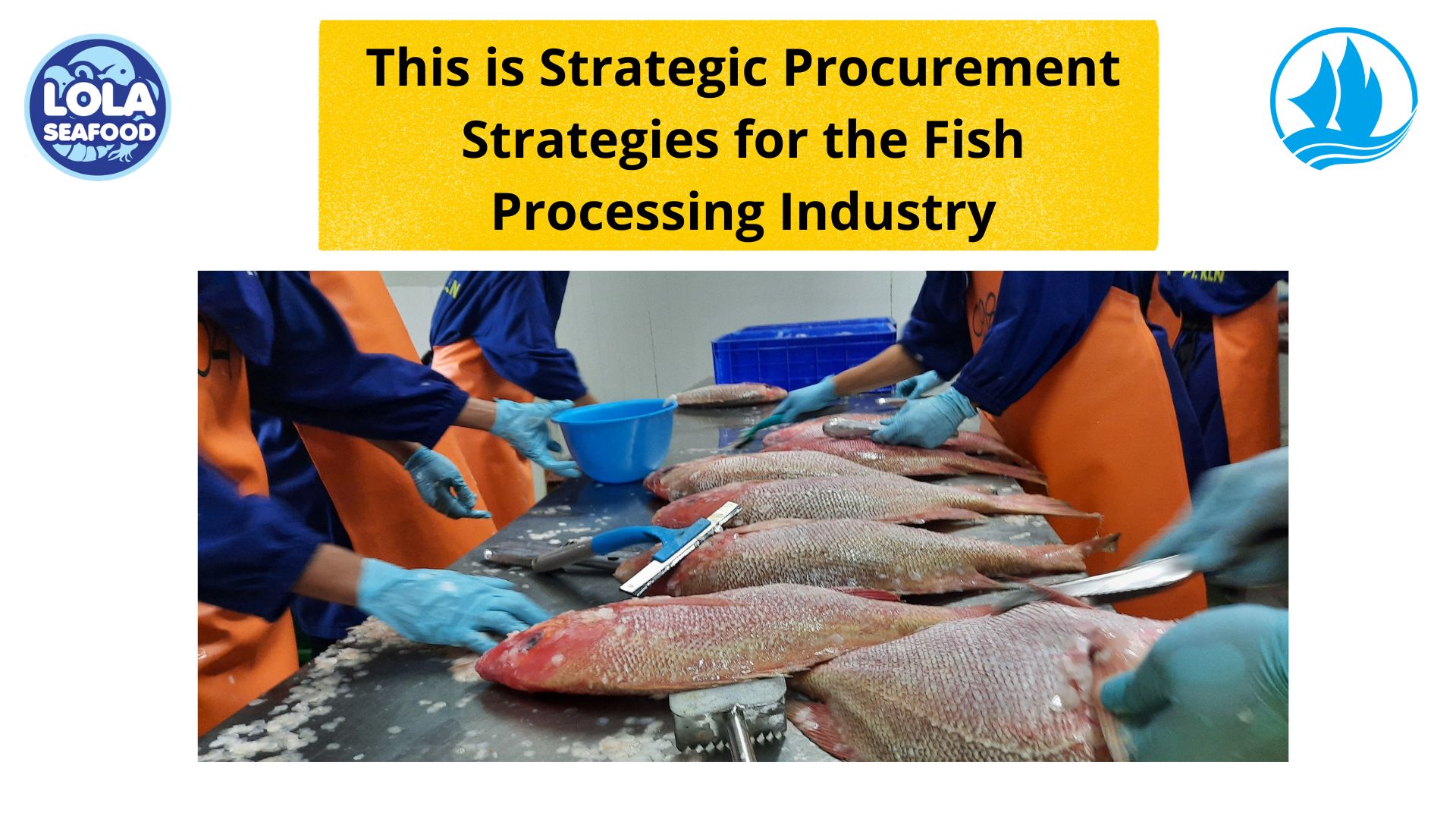
Fish processing facilities often suffer from bottlenecks due to inefficient layouts and excessive manual labor. Upgrading the processing floor can significantly yield higher throughput.
- Implement Lean Principles: Design the plant layout to follow a continuous, unidirectional flow—from receiving, gutting, and filleting, to packaging and freezing. This minimizes the unnecessary movement of workers and materials.
- Introduce Strategic Automation: While manual filleting requires high skill, it is slow and prone to human error. Introducing automated grading, filleting, and skinning machines can drastically speed up production. Moreover, automated portion-control cutters use laser vision systems to slice fillets to exact weights, maximizing yield per fish and minimizing trim waste.
4. Utilize Byproducts and Implement Zero-Waste Processing
True productivity means squeezing value out of every single ounce of raw material. Traditional fish processing often discards up to 50–70% of the fish weight (heads, bones, skins, and viscera) as waste.
By pivoting toward a circular economy model, processing plants can turn these costs into profit centers:
- Fish meal and oil: Leftover trimmings can be processed into high-protein feed for agriculture and aquaculture.
- Collagen and Gelatin: Fish skins and scales can be sold to the cosmetic and pharmaceutical industries.
- Biogas: Inedible organic waste can be converted into bioenergy to help power the processing facility.
By treating "waste" as a secondary raw material, factories can increase their total production output without increasing their primary fish intake.
5. Invest in Workforce Training and Ergonomics
No matter how advanced a facility is, human labor remains a vital component of the fishing industry. Worker fatigue and high turnover rates are notorious productivity killers.
- Ergonomic Workstations: Fish processing is physically demanding and repetitive. Providing anti-fatigue mats, adjustable-height tables, and proper cold-weather gear keeps workers comfortable, which maintains high focus and reduces injury-related downtime.
- Cross-Training: Train employees in multiple roles—such as quality control, machine operation, and packaging. This flexibility prevents production lines from grinding to a halt when a specialized worker is absent.
6. Leverage Data Analytics and Monitor KPIs
To improve productivity, you must measure it. Fishing enterprises should utilize centralized software to track Key Performance Indicators (KPIs) in real-time.
If youre interested in our Whiting Fish Whole Round,Barramundi Fillet Skin On,Catfish Fillet Skinless,Cobia Fillet Skinless,Coral Trout Fillet Skin On,Barramundi Whole Round / Whole Gilled Gutted Scaled,Corvina / Croaker / Jew Fish Whole Round / Whole Gilled Gutted Scaled,Black Pomfret Whole Round,Red / Scarlet Snapper Fillet Portion,Parrotfish Fillet Skinless,Baby Octopus Flower,Bonito Fillet Portion Cut,Catfish Fillet Skinless,Coral Trout Fillet Skinless,Baby Octopus Flower Baby Octopus Whole Cleaned Baby Octopus Whole Round Barramundi Fillet Portion Cut Black Pomfret Portion Cut Bonito Whole Round Catfish Steak Catfish Fillet Skinless Catfish Steak Baby Octopus Whole Cleaned Catfish Fillet Skinless Barramundi Fillet Skinless Black Pomfret Portion Cut Bonito Whole Round Coral Trout Whole Round please do not hesitate to contact us through email and/or Whatsappp
.jpg)
.jpg)
.jpg)
.jpg)