The Anchor of Global Seafood Trade: Deciphering CenSea’s Impact on the Seafood Processing and Export Industry
By. Wiwik Rasmini - 21 May 2026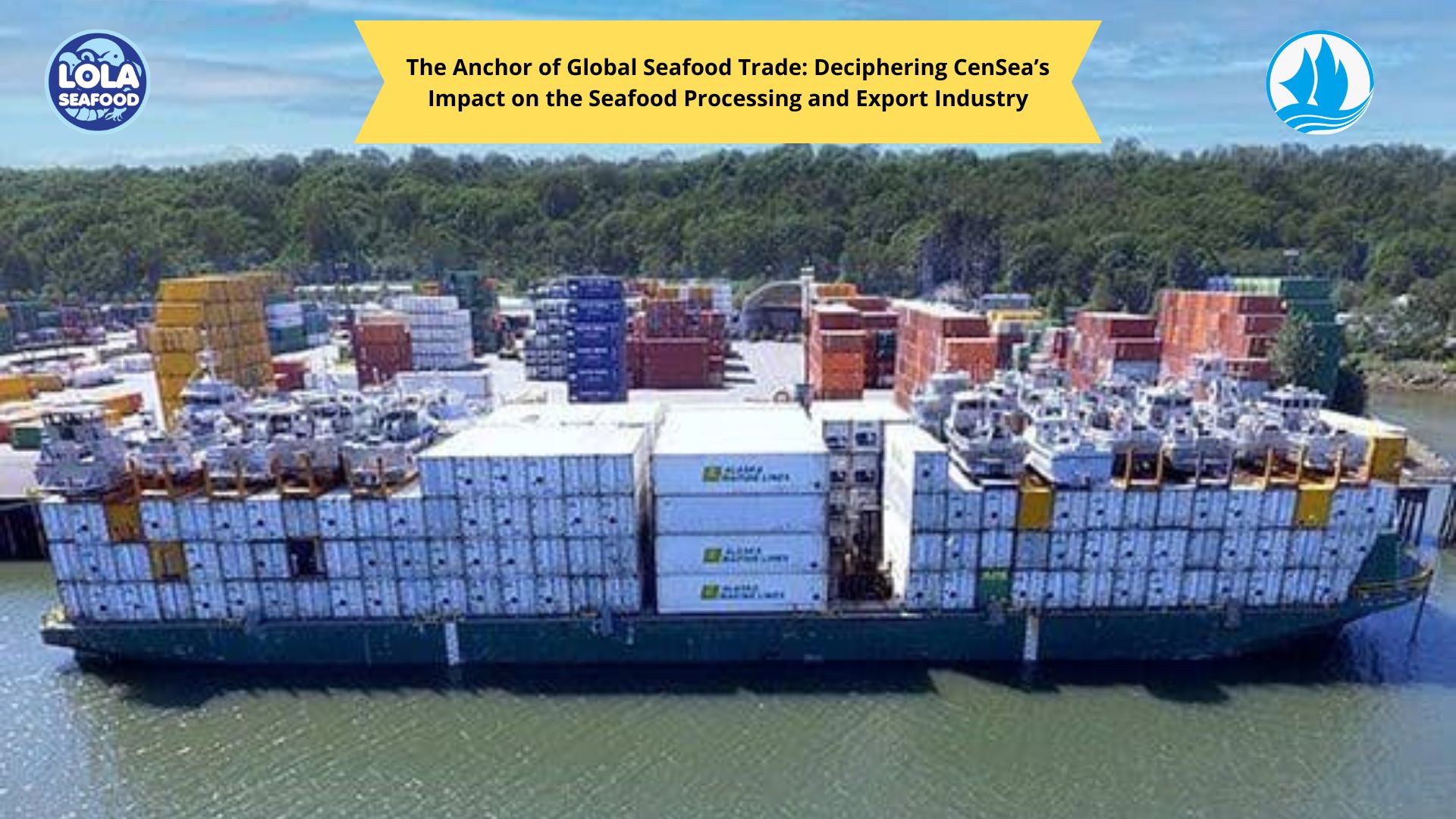
kelolalaut.com
The global seafood industry is a complex, fast-moving, and highly regulated network where timing, temperature control, and quality assurance dictate success. In this high-stakes market, Central Seaway Company, universally known as CenSea, stands as one of the largest and most influential seafood importers and exporters in the United States. For decades, CenSea has acted as a vital bridge between international seafood processors and the lucrative North American market, while simultaneously driving export standards worldwide. Understanding CenSea’s operational footprint provides a masterclass in how modern seafood processing must align with global logistics to achieve commercial success.
The Strategic Role of CenSea in the Seafood Supply Chain
CenSea’s business model thrives on a deep integration with foreign and domestic seafood processors. The company sources a vast array of frozen seafood—ranging from warm-water shrimp and cold-water lobster tails to orange roughy, tilapia, and squid—from over 30 countries.
[Global Seafood Harvest] ➔ [CenSea-Approved Processors] ➔ [Strict Quality Control] ➔ [Global Export Distribution]
For seafood processors worldwide, partnering with an established exporter like CenSea is a transformative milestone. CenSea does not merely buy and sell product; it provides processors with the market intelligence, volume commitments, and financial stability required to scale their operations. By guaranteeing consistent purchase volumes, CenSea allows processing plants in Asia, Latin America, and Africa to invest heavily in state-of-the-art freezing and processing technologies.
Quality Control and Regulatory Compliance: The CenSea Standard
In the seafood export world, a single regulatory misstep can result in the destruction of an entire shipment, costing millions of dollars. Because CenSea distributes to major U.S. food service distributors, restaurant chains, and retail giants, its quality control standards are notoriously stringent. This demand for perfection directly shapes the daily operations of its processing partners.
1. HACCP and FDA Alignment
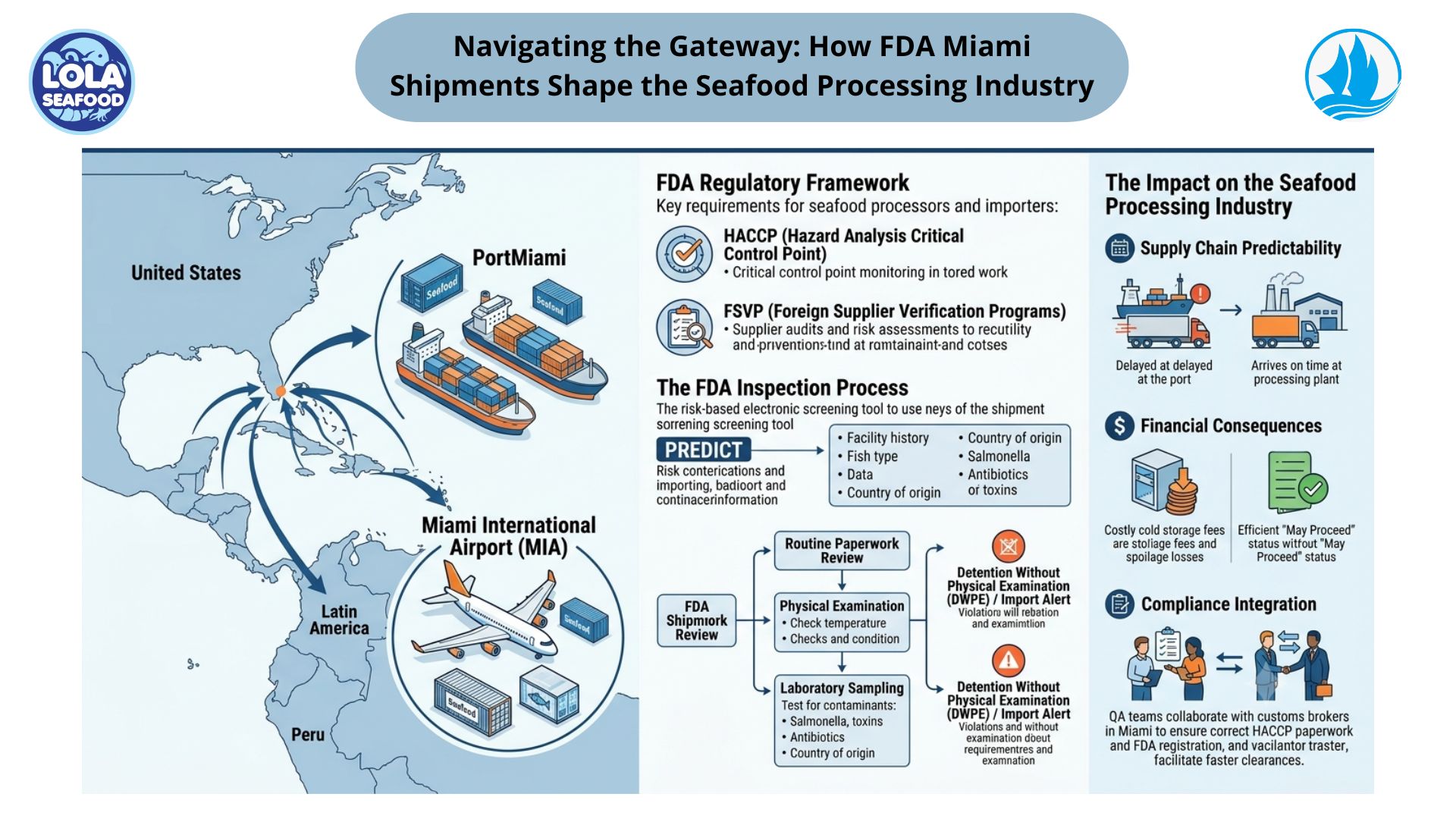
Any seafood processing plant looking to export through CenSea must maintain flawless compliance with the U.S. Food and Drug Administration (FDA) regulations. CenSea works closely with processors to implement rigorous Hazard Analysis Critical Control Point (HACCP) plans. This ensures that biological hazards, such as Salmonella or Listeria, and chemical hazards, such as unapproved antibiotics in aquaculture, are completely eliminated before the product leaves the facility.
2. On-Site Inspection and Auditing
What sets CenSea apart in the export industry is its proactive approach to quality. Rather than relying solely on paperwork, CenSea employs its own quality assurance inspectors who visit processing plants globally. These experts inspect the raw material, monitor the processing lines, and evaluate the final freezing process (typically Individual Quick Freezing, or IQF) to ensure that the seafood retains its texture, flavor, and weight upon thawing.
Driving Innovation in Processing and Packaging
The preferences of the end consumer are constantly evolving, and through CenSea, these market shifts are immediately communicated back to the processing floor. Today’s export market demands more than just bulk frozen fish; it demands value-added, convenient, and sustainably sourced products.
CenSea has been instrumental in pushing processing plants to adopt advanced packaging solutions. For instance, the transition toward vacuum skin packaging (VSP) and retail-ready zipper bags allows products to be shipped efficiently while maximizing shelf life. Furthermore, as sustainability certifications like the Marine Stewardship Council (MSC) and Best Aquaculture Practices (BAP) become mandatory for entry into premium markets, CenSea guides its processing partners through the arduous certification processes, effectively raising the environmental standards of the entire global industry.
Financial Viability and Market Reach
The ultimate goal of any seafood processor entering the export market is profitability. Navigating fluctuating ocean freight rates, customs duties, and cold storage fees requires immense capital. CenSea mitigates these financial risks for processors.
By utilizing major logistical hubs—including the strategic ports of Miami, Los Angeles, and New York—CenSea ensures that processed seafood moves seamlessly from the port of entry to its extensive network of cold storage warehouses across the United States. This logistical efficiency prevents product degradation and minimizes demurrage fees, ensuring that the maximum value of the seafood is preserved, resulting in healthier profit margins for both the exporter and the processing facilities.
If youre interested in our Whiting Fish Whole Round,Barramundi Fillet Skin On,Catfish Fillet Skinless,Cobia Fillet Skinless,Coral Trout Fillet Skin On,Barramundi Whole Round / Whole Gilled Gutted Scaled,Corvina / Croaker / Jew Fish Whole Round / Whole Gilled Gutted Scaled,Black Pomfret Whole Round,Red / Scarlet Snapper Fillet Portion,Parrotfish Fillet Skinless,Baby Octopus Flower,Bonito Fillet Portion Cut,Catfish Fillet Skinless,Coral Trout Fillet Skinless,Baby Octopus Flower Baby Octopus Whole Cleaned Baby Octopus Whole Round Barramundi Fillet Portion Cut Black Pomfret Portion Cut Bonito Whole Round Catfish Steak Catfish Fillet Skinless please do not hesitate to contact us through email and/or Whatsappp
.jpg)
.jpg)
.jpg)
.jpg)

.jpg)