The Critical Importance of Knife Safety in the Seafood Processing Industry
By. Ely Kusniawati - 26 Feb 2026.jpg)
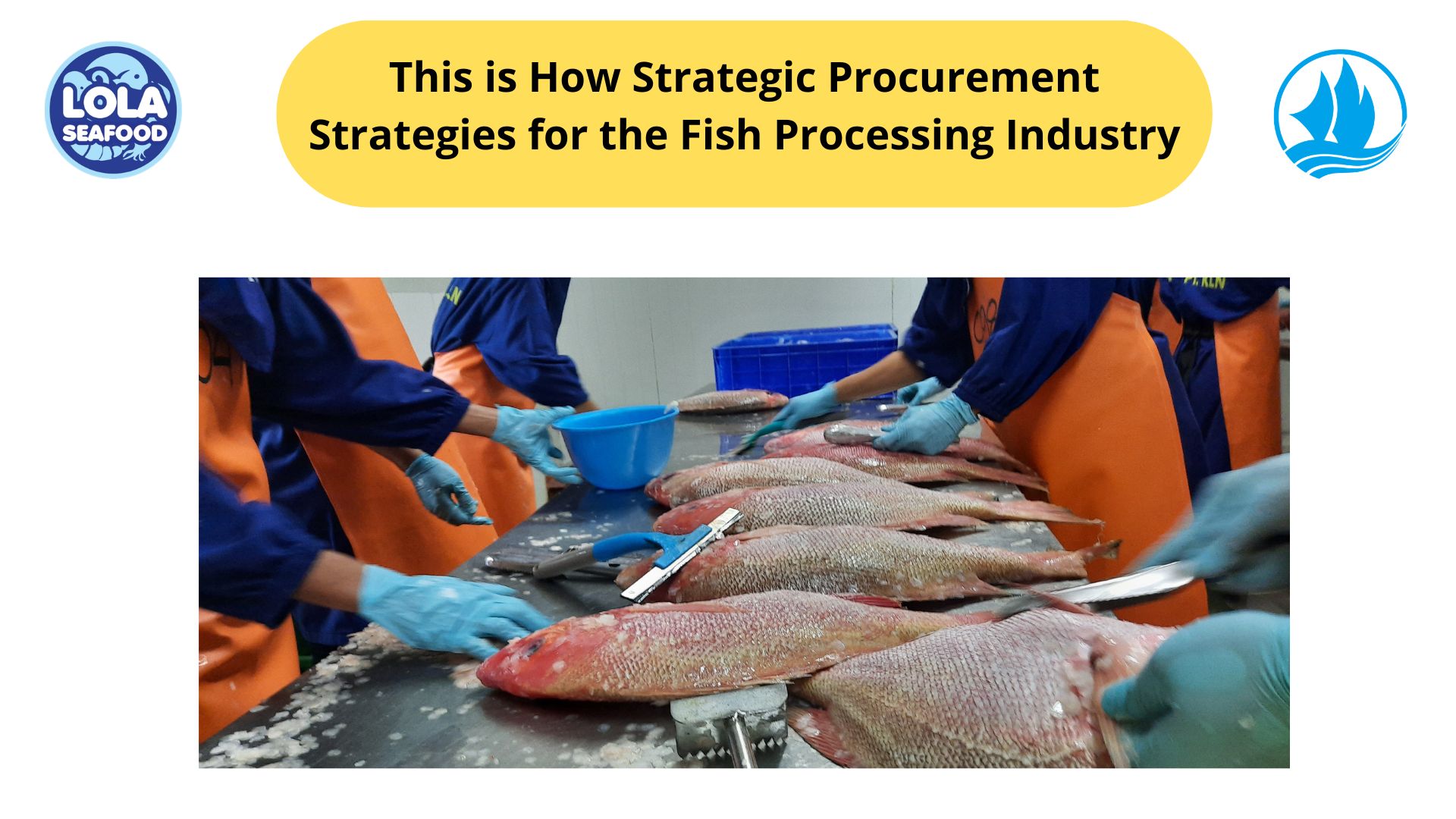
kelolalaut.com In the fast-paced world of seafood processing, the knife is more than just a tool; it is an extension of the worker’s hand. From the initial gutting and scaling to the delicate artistry of filleting a premium side of salmon, sharp blades are central to the industry’s productivity. However, this reliance on cutlery comes with significant risks. In an environment characterized by slippery surfaces, cold temperatures, and repetitive motions, maintaining rigorous knife safety standards is not just a regulatory requirement—it is a moral and economic necessity.
The High Stakes of the Cutting Floor
The seafood industry presents a unique set of hazards that exacerbate the danger of using knives. Unlike a dry kitchen, a processing plant is often wet, oily, and cold. These conditions affect a worker’s physical capabilities:
- Reduced Grip and Dexterity: Fish oils and water make handles slippery, while cold ambient temperatures can lead to numbness in the fingers, reducing a worker's "feel" for the blade.
- Fatigue and Repetition: Workers often perform thousands of identical cuts per shift. As fatigue sets in, concentration wavers, and the likelihood of a slip increases exponentially.
- Biological Risks: A minor cut in a seafood plant isn't just a flesh wound. Exposure to bacteria found in raw fish or contaminated process water can lead to severe infections, such as Erysipelothrix rhusiopathiae, commonly known as "fish rose."
The "Sharp" Paradox: Why Sharpness Equals Safety
One of the most common misconceptions in manual processing is that a dull knife is safer because it is less likely to break the skin. In reality, the opposite is true. A dull blade requires significantly more force to push through the tough skin and bone of a fish. When that extra force is applied, the worker loses control. If the blade slips, it moves with much higher momentum, leading to deeper and more traumatic injuries.
Conversely, a razor-sharp knife glides through the product with minimal resistance. This allows the worker to maintain a light, controlled grip, reducing the strain on the wrist and ensuring that the blade goes exactly where it is intended.
Essential Safety Protocols
To mitigate these risks, processing plants must implement a multi-layered approach to safety that combines physical equipment with rigorous behavioral training.
1. Personal Protective Equipment (PPE)
The first line of defense is the gear. In the seafood industry, standard PPE for cutters should include:
- Chainmail (Cut-Resistant) Gloves: Typically worn on the non-dominant hand (the hand holding the fish), these gloves are made of stainless steel mesh that prevents the blade from penetrating to the skin.
- Wrist Protectors: Guards that extend from the glove to the forearm to protect major arteries.
- Belly Aprons: Often reinforced with plastic or metal scales to protect the torso during "pull cuts."
2. Ergonomic Station Design
Safety is also a matter of engineering. Workstations should be height-adjustable to prevent workers from overextending or hunching. When a worker is positioned correctly, they can use their body weight to assist in the cutting motion rather than relying solely on small muscle groups in the hand and wrist.
3. Standardized Training
Employees must be trained in specific cutting techniques that prioritize safety. For example, the "cut away from the body" rule is foundational. Additionally, workers should be taught the "Circle of Safety”-maintaining a specific distance from colleagues to ensure that a slip doesn’t result in a multi-person accident.
The Economic Argument for Safety
Beyond the human cost, the financial impact of knife-related injuries is staggering. When a worker is injured, the company faces:
- Direct Costs: Medical bills, workers' compensation claims, and legal fees.
- Indirect Costs: Loss of productivity, the cost of training a replacement, and potential fines from occupational health and safety regulators.
- Morale and Retention: A workplace that feels dangerous will suffer from high turnover. In an industry where "yield" (the amount of usable meat recovered from a fish) depends heavily on the skill of the cutter, losing an experienced worker to a preventable injury is a major blow to the bottom line.
Cultivating a Safety-First Culture
Ultimately, the best equipment in the world cannot replace a strong safety culture. Management must lead by example, ensuring that "speed" never takes precedence over "safety." This includes providing regular breaks to combat fatigue, ensuring knives are professionally sharpened daily, and encouraging workers to report near-misses without fear of repercussion
If youre interested in our Whiting Fish Whole Round,Barramundi Fillet Skin On,Catfish Fillet Skinless,Cobia Fillet Skinless,Coral Trout Fillet Skin On,Barramundi Whole Round / Whole Gilled Gutted Scaled,Corvina / Croaker / Jew Fish Whole Round / Whole Gilled Gutted Scaled,Black Pomfret Whole Round,Red / Scarlet Snapper Fillet Portion,Parrotfish Fillet Skinless,Baby Octopus Flower please do not hesitate to contact us through email and/or Whatsapp
.jpg)
.jpg)

.jpg)


.jpg)
.jpg)