Scaling the Catch: Economic Strategies for Modernizing the Angkui Fishery Processing Industry
By. Fajar - 10 Feb 2026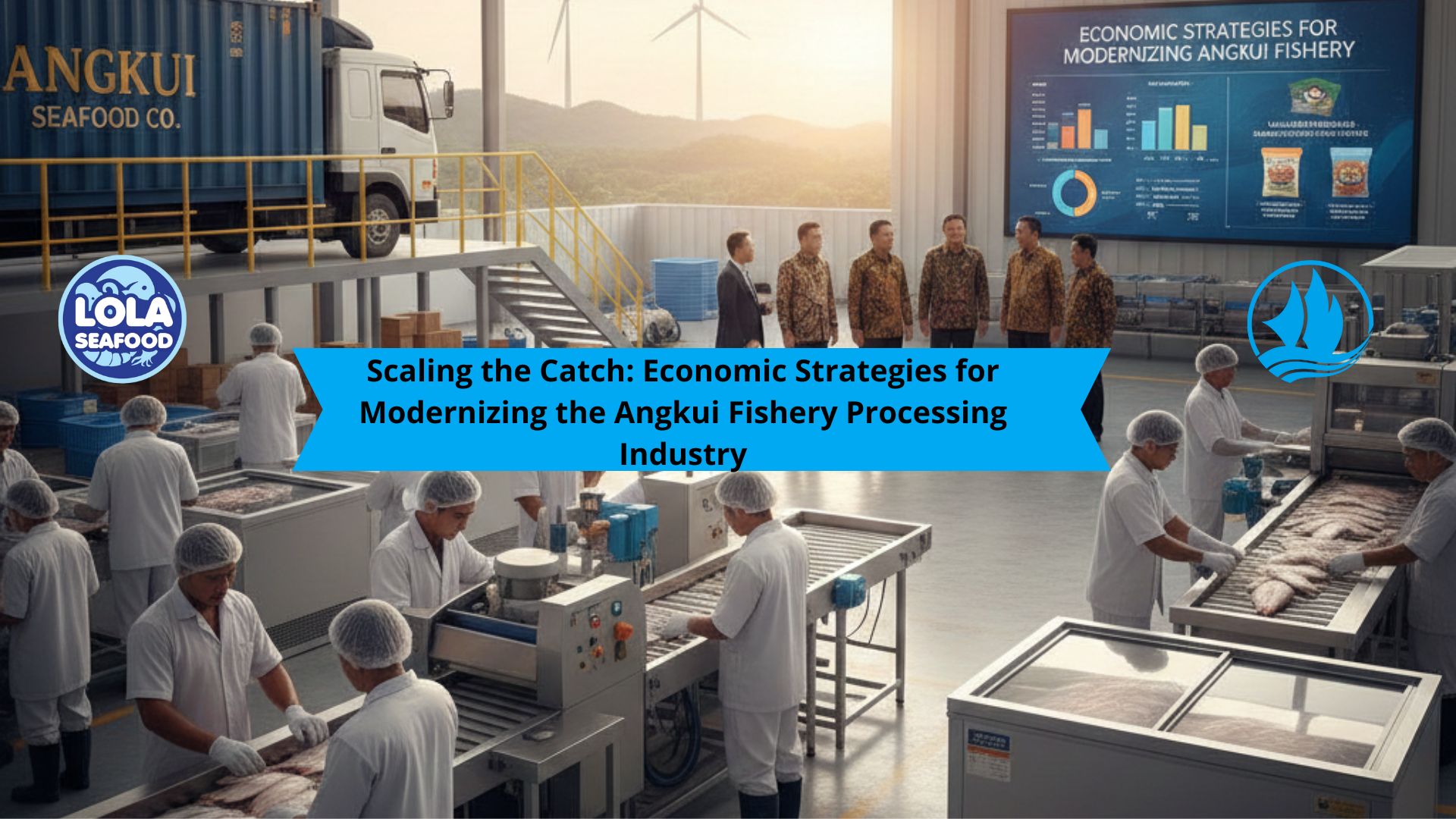
kelolalaut.com The global demand for seafood is reaching unprecedented levels, yet many regional processing sectors remain untapped or underutilized. Among these, the Angkui fishery—often characterized by its unique local species and artisanal roots—stands at a critical juncture. To transform this sector from a subsistence-based activity into a robust economic engine, a multi-faceted approach focusing on technology, sustainability, and market integration is essential.
Improving the economy within the Angkui processing industry isn't just about catching more fish; it’s about maximizing value at every stage of the supply chain.
1. Modernizing Infrastructure and Cold Chain Logistics
The primary hurdle in many fishery economies is post-harvest loss. In the Angkui industry, biological spoilage can reduce the market value of a catch by 30% to 50% before it even reaches a processor.
- Integrated Cold Chains: Establishing solar-powered ice plants and refrigerated transport allows fish to maintain "sushi-grade" quality.
- Smart Processing Facilities: Transitioning from manual gutting and drying to automated filleting and vacuum-packaging increases throughput and ensures hygiene standards that meet international export requirements.
2. Diversification and Value-Added Products
Selling raw, unprocessed fish offers the lowest profit margins. To boost the economy, the Angkui industry must pivot toward Value-Added Processing (VAP). Instead of exporting whole fish, processors should focus on:
- Ready-to-Eat (RTE) Meals: Marinated fillets, fish cakes, or smoked Angkui products cater to the busy urban consumer.
- By-product Utilization: The "waste" from fish processing—scales, skins, and bones—can be converted into high-value goods like collagen for cosmetics, fish meal for aquaculture, or organic fertilizers. This ensures a circular economy where nothing is wasted.
3. Sustainable Certification and Traceability
In 2026, global consumers are more conscious than ever about where their food comes from. The Angkui industry can command a premium price by adopting Sustainable Fisheries Management.
By obtaining certifications such as the Marine Stewardship Council (MSC), the industry signals to global markets that Angkui products are harvested ethically. Furthermore, implementing Blockchain Traceability allows a consumer in Europe or North America to scan a QR code and see exactly when and where their fish was caught. This transparency builds brand equity and justifies a higher price point.
4. Digital Transformation and Market Access
Small-scale processors often struggle because they are beholden to "middlemen" who take a significant cut of the profits. Digitalization levels the playing field.
- B2B E-commerce Platforms: Direct-to-retailer platforms allow Angkui processors to bypass multiple layers of wholesalers, increasing their net margins.
- Data-Driven Forecasting: Using AI to analyze seasonal migration patterns and market price fluctuations helps processors time their production cycles to coincide with peak demand, preventing gluts that drive prices down.
5. Strengthening Human Capital and Cooperatives
An economy is only as strong as its workforce. To elevate the Angkui industry, there must be a concerted effort to provide technical vocational training to local workers.
Furthermore, the formation of Fishery Cooperatives allows small processors to pool their resources. By acting as a single entity, they gain better bargaining power when purchasing equipment or negotiating export contracts. This collective strength provides a safety net against market volatility.
The Economic Ripple Effect
When the Angkui processing industry thrives, the benefits extend far beyond the factory walls. Increased revenue leads to better infrastructure in coastal communities, improved education, and the creation of ancillary jobs in packaging, logistics, and maintenance.
To achieve this, a synergy between government policy (providing subsidies for green technology) and private investment (driving innovation) is required. If the industry can successfully bridge the gap between traditional fishing methods and modern industrial standards, the Angkui fishery can become a global benchmark for sustainable blue economy growth.
If youre interested in our Sweetlips Fillet Skinless , Sweetlips Fillet Skin On , Emperor Fillet Skinless please do not hesitate to contact us through email and/or Whatsapp
.jpg)

.jpg)
.jpg)
.jpg)
.jpg)